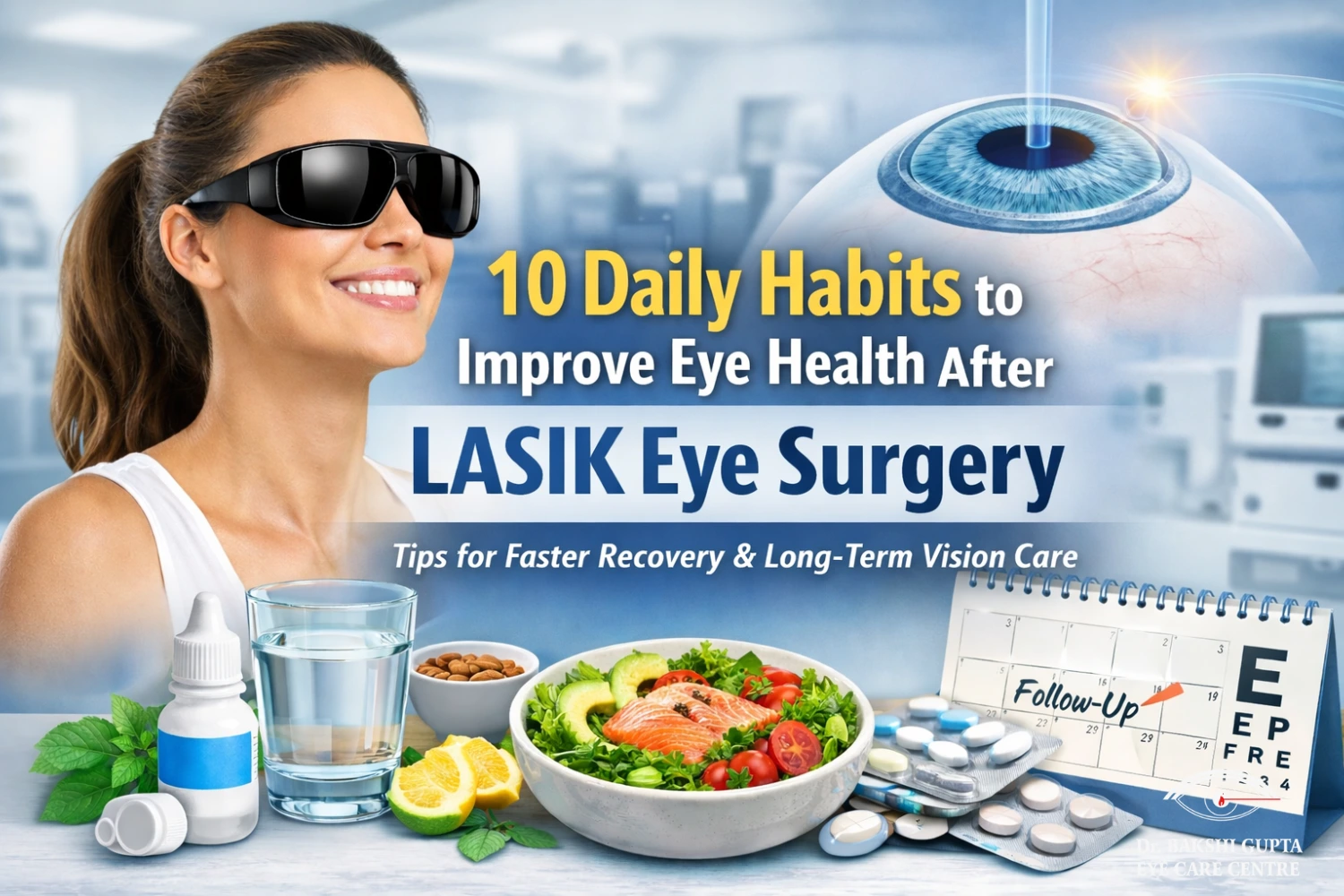
LASIK eye surgery has transformed the lives of millions by offering clear vision without glasses or contact lenses. However, the success of LASIK eye surgery does not end once the procedure is complete. What you do every day after surgery plays a crucial role in protecting your results, reducing complications, and improving long-term eye health.
Many patients focus only on the recovery time, but true healing and visual stability depend on consistent daily habits. Whether you’ve recently undergone LASIK surgery or are planning it soon, this guide will walk you through 10 essential daily habits that help your eyes heal faster and stay healthy for years.
Why Daily Habits Matter After LASIK Eye Surgery
LASIK eye surgery reshapes the cornea to correct refractive errors and improve vision, but healing doesn’t stop once the procedure is over. Even though modern types of LASIK surgery are highly advanced, safe, and minimally invasive, the eyes remain delicate and sensitive for several weeks—and in some cases, months—after surgery. During this period, your eyes are adjusting to their new shape, tear production is stabilizing, and nerve endings in the cornea are regenerating.
This is why daily habits play a critical role in determining how smooth your recovery time will be and how long your results will last.
Consistent post-LASIK care helps to:
- Reduce dryness and irritation, which are common side effects after LASIK surgery
- Stabilize vision faster by supporting proper corneal healing
- Prevent infections and inflammation that can interfere with recovery
- Minimize complications such as glare, halos, and fluctuating vision
- Extend the long-term benefits of LASIK eye surgery, keeping your vision clear and comfortable for years
On the other hand, ignoring post-LASIK care—such as skipping eye drops, rubbing your eyes, or overusing digital screens—can delay healing, prolong discomfort, and negatively affect your final visual outcome. Small daily actions may seem insignificant, but together they have a powerful impact on how successfully your eyes recover after LASIK surgery.
In short, LASIK eye surgery corrects your vision—but your daily habits protect it.
1. Use Prescribed Eye Drops Consistently After LASIK Eye Surgery
Dry eyes are the most common side effect after LASIK eye surgery. Using your prescribed antibiotic and lubricating eye drops exactly as directed is essential.
Why this habit matters:
- Prevents infection after LASIK surgery
- Keeps the cornea hydrated
- Reduces inflammation and irritation
Even if your eyes feel fine, skipping drops can slow recovery. Artificial tears may be required for months, especially during the LASIK eye surgery recovery time.
Pro tip: Set phone reminders to stay consistent.
2. Protect Your Eyes from Screens During Recovery Time
Excessive screen time can worsen dryness and eye strain after LASIK surgery. While screens cannot damage the surgical outcome, they can slow healing.
Daily habit to follow:
- Follow the 20-20-20 rule
- Blink consciously while using screens
- Lower screen brightness
Reducing digital strain helps your eyes stabilize faster after LASIK eye surgery.
3. Never Rub Your Eyes After LASIK Surgery
Eye rubbing is strictly forbidden after eye surgery, especially during the first few weeks when your eyes are still healing. Even though LASIK surgery does not involve stitches, a thin corneal flap is created during the procedure. This flap needs time to securely settle into place.
Why rubbing your eyes after LASIK surgery is risky:
1. Can dislodge the corneal flap
Rubbing your eyes can shift or lift the corneal flap before it fully heals, potentially affecting vision clarity and extending LASIK eye surgery recovery time.
2. Increases infection risk
Hands carry bacteria, dirt, and germs. Touching or rubbing your eyes after LASIK surgery can introduce harmful microbes, increasing the chances of eye infections and inflammation.
3. Causes inflammation and irritation
Eye rubbing can trigger redness, swelling, and irritation, slowing down the natural healing process after LASIK eye surgery.
This rule applies regardless of the types of LASIK surgery performed, including traditional LASIK, Femto LASIK, or SMILE. If you experience itching, dryness, or discomfort during LASIK eye surgery recovery time, use prescribed lubricating eye drops instead of touching your eyes.
To avoid accidental rubbing—especially while sleeping—your surgeon may recommend wearing protective eye shields at night. Developing this simple daily habit plays a major role in preserving the results of LASIK surgery and maintaining long-term eye health.
4. Wear UV-Protected Sunglasses
Sun exposure can significantly irritate healing eyes and slow corneal recovery after LASIK surgery. In the days and weeks following LASIK surgery, your eyes become more sensitive to light, glare, dust, and environmental elements. Wearing UV-protected sunglasses is not just for comfort—it is an essential part of post-LASIK eye care.
High exposure to ultraviolet (UV) rays may increase dryness, inflammation, and discomfort during the recovery. Sunglasses act as a protective barrier, shielding your eyes while they heal and helping maintain stable vision.
Benefits of wearing sunglasses after LASIK surgery:
- Protects from harmful UV rays that can irritate the cornea and delay healing
- Reduces glare sensitivity, especially when outdoors or driving
- Prevents dryness in windy or dusty conditions
- Helps minimize eye strain and light sensitivity
- Supports long-term eye health after LASIK eye surgery
To get the best protection, choose wrap-around sunglasses with 100% UV400 protection and wear them whenever you step outside, even on cloudy days. Making this a daily habit is especially important during the early recovery period and continues to benefit your eyes long after healing is complete.
Consistent sun protection helps preserve the results of surgery and keeps your eyes comfortable, clear, and healthy in the long run.
5. Maintain Proper Sleep Hygiene to Support Healing
Sleep is one of the most powerful—and often underestimated—tools for recovery after LASIK surgery. During sleep, your body activates its natural repair mechanisms, allowing the cornea to heal, inflammation to reduce, and visual clarity to stabilize. Poor sleep habits can prolong discomfort and extend the recovery time.
Daily sleep habits that support faster LASIK surgery healing:
1. Sleep 7–8 hours every night
Adequate sleep improves blood circulation and speeds up tissue repair after LASIK surgery.
2. Avoid sleeping face-down or on your eyes
Pressure on the eyes can interfere with corneal healing and increase irritation, especially during the first few weeks after LASIK eye surgery.
3. Use protective eye shields if advised by your surgeon
Eye shields prevent accidental rubbing or pressure while sleeping, which is crucial for maintaining flap stability after LASIK surgery.
4. Keep your sleeping environment clean and comfortable
Dust, allergens, and dry air can worsen dryness and irritation during the LASIK eye surgery recovery time. Using a humidifier may help.
5. Maintain a consistent sleep schedule
Going to bed and waking up at the same time daily helps regulate healing and reduces eye fatigue.
Good sleep hygiene not only accelerates healing after LASIK eye surgery but also minimizes dryness, light sensitivity, and morning discomfort. Making quality sleep a daily priority ensures smoother recovery and more stable vision results in the long run.
6. Stay Hydrated for Faster Recovery
Hydration plays a surprisingly powerful role in how quickly and comfortably your eyes heal after LASIK eye surgery. Since the procedure can temporarily reduce tear production, dehydration may worsen dryness, irritation, and blurry vision during the recovery time.
When your body is well-hydrated, it can produce a healthier and more stable tear film—essential for protecting the cornea and maintaining clear vision after LASIK surgery.
Daily hydration benefits include:
- Reduces post-LASIK dry eye symptoms such as burning or grittiness
- Supports tear film stability, keeping eyes moist and comfortable
- Improves overall healing by aiding oxygen and nutrient delivery to eye tissues
- Helps prevent eye fatigue, especially during screen use
Make it a daily habit to drink plenty of water throughout the day rather than consuming large amounts at once. This is especially important if you live in a dry climate, spend long hours in air-conditioned environments, or consume caffeine, which can contribute to dehydration.
For optimal recovery after eye surgery, pair proper hydration with lubricating eye drops as advised by your doctor. Together, these habits can significantly shorten discomfort and support smoother visual recovery.
7. Eat Eye-Healthy Foods
Nutrition plays a powerful role in eye health after surgery, yet it’s one of the most overlooked aspects of recovery. While eye drops and rest are essential, what you eat daily directly affects how quickly your eyes heal and how comfortable they feel during the recovery time.
After LASIK surgery, the cornea needs proper nutrients to repair tissue, reduce inflammation, and maintain a stable tear film. A balanced, eye-friendly diet can significantly improve recovery and reduce common side effects such as dryness and irritation.
Best Nutrients for Post-LASIK Recovery
1. Omega-3 fatty acids
Omega-3s help improve tear quality and reduce dry eye symptoms after LASIK eye surgery. They also support overall eye lubrication, which is especially important during the early recovery phase.
2. Vitamin A
Vitamin A is essential for maintaining a healthy corneal surface. It supports night vision and helps the eyes heal faster after LASIK surgery by strengthening the eye’s protective layers.
3. Vitamin C and Vitamin E
These antioxidants protect eye cells from oxidative stress caused by surgery and environmental exposure. They also promote collagen production, which supports corneal healing after LASIK eye surgery.
4. Zinc
Zinc helps transport vitamin A from the liver to the eyes and supports immune function. Adequate zinc intake reduces the risk of infections during LASIK eye surgery recovery time.
Foods That Support Eye Healing
Incorporate foods such as:
- Leafy green vegetables like spinach and kale
- Fatty fish such as salmon and sardines
- Eggs, which support retinal health
- Nuts and seeds, especially almonds and walnuts
- Citrus fruits and berries rich in antioxidants
Eating these foods regularly helps reduce inflammation, improves tear stability, and supports long-term eye health after LASIK eye surgery.
Pro tip: Consistency matters. A nutrient-rich diet should be a daily habit, not just a short-term recovery strategy, to protect your vision long after LASIK surgery is complete.
9. Attend All Follow-Up Appointments
Follow-up visits are not optional—they are a critical part of LASIK surgery success.
Why follow-ups matter:
- Monitor healing progress
- Detect early complications
- Adjust medications if needed
Skipping appointments can extend LASIK eye surgery recovery time or cause unnoticed issues.
10. Maintain Long-Term Eye Care Habits
LASIK eye surgery improves vision, but it does not make you immune to future eye problems.
Long-term daily habits:
- Regular eye checkups
- Continued use of lubricating drops if needed
- Limiting excessive screen exposure
Healthy habits ensure the results of LASIK surgery last for decades.
Understanding Types of LASIK Surgery and Recovery Differences
Different types of LASIK surgery may slightly affect recovery time and care requirements.
Common types include:
- Traditional LASIK
- Femto LASIK
- SMILE LASIK
While techniques vary, daily habits remain essential for all LASIK surgery patients.
How Long Is LASIK Eye Surgery Recovery Time?
Most patients notice improved vision within 24–48 hours. However:
- Dryness may last weeks or months
- Vision stabilization can take 3–6 months
- Daily habits influence recovery speed
Consistent care shortens LASIK eye surgery recovery time and improves comfort.
FAQs About LASIK Eye Surgery and Eye Health
1. How soon can I resume daily activities after LASIK eye surgery?
Most normal activities resume within 24–48 hours, but screen use and exercise should be limited during early LASIK surgery recovery time.
2. Is LASIK surgery permanent?
Yes, LASIK eye surgery permanently reshapes the cornea, but natural aging changes like presbyopia may still occur.
3. Do different types of LASIK surgery require different daily care?
Daily habits remain largely the same across all types of LASIK surgery, with minor variations advised by your surgeon.
4. Can poor habits affect LASIK surgery results?
Yes. Rubbing eyes, skipping drops, and ignoring follow-ups can negatively impact LASIK eye surgery outcomes.
5. How long should I continue post-LASIK care habits?
Many habits, like hydration and UV protection, should continue long-term even after LASIK eye surgery recovery time ends.
Final Thoughts
LASIK eye surgery is a life-changing investment—but maintaining the results requires commitment. By following these 10 daily habits, you not only protect your vision but also shorten LASIK eye surgery recovery time and enhance long-term eye health.
If you’re planning LASIK surgery or recovering from it, remember: your daily choices matter as much as the procedure itself.
Clear vision starts with smart habits—every single day.