
For many older adults, vision clarity begins to decline due to cataracts, making daily tasks difficult. This is where laser cataract surgery for seniors becomes an advanced, safer, and more precise solution. Whether you’re a senior considering the procedure for yourself, a caregiver researching better options, or a family member wanting the best treatment for aging parents, understanding this modern technique helps you make confident decisions. Compared to traditional methods, laser cataract surgery offers improved accuracy, faster recovery, and more predictable visual outcomes. In this guide, you’ll discover how it works, its benefits, recovery expectations, risks, and essential pre- and post-care tips.
What Is Laser Cataract Surgery?
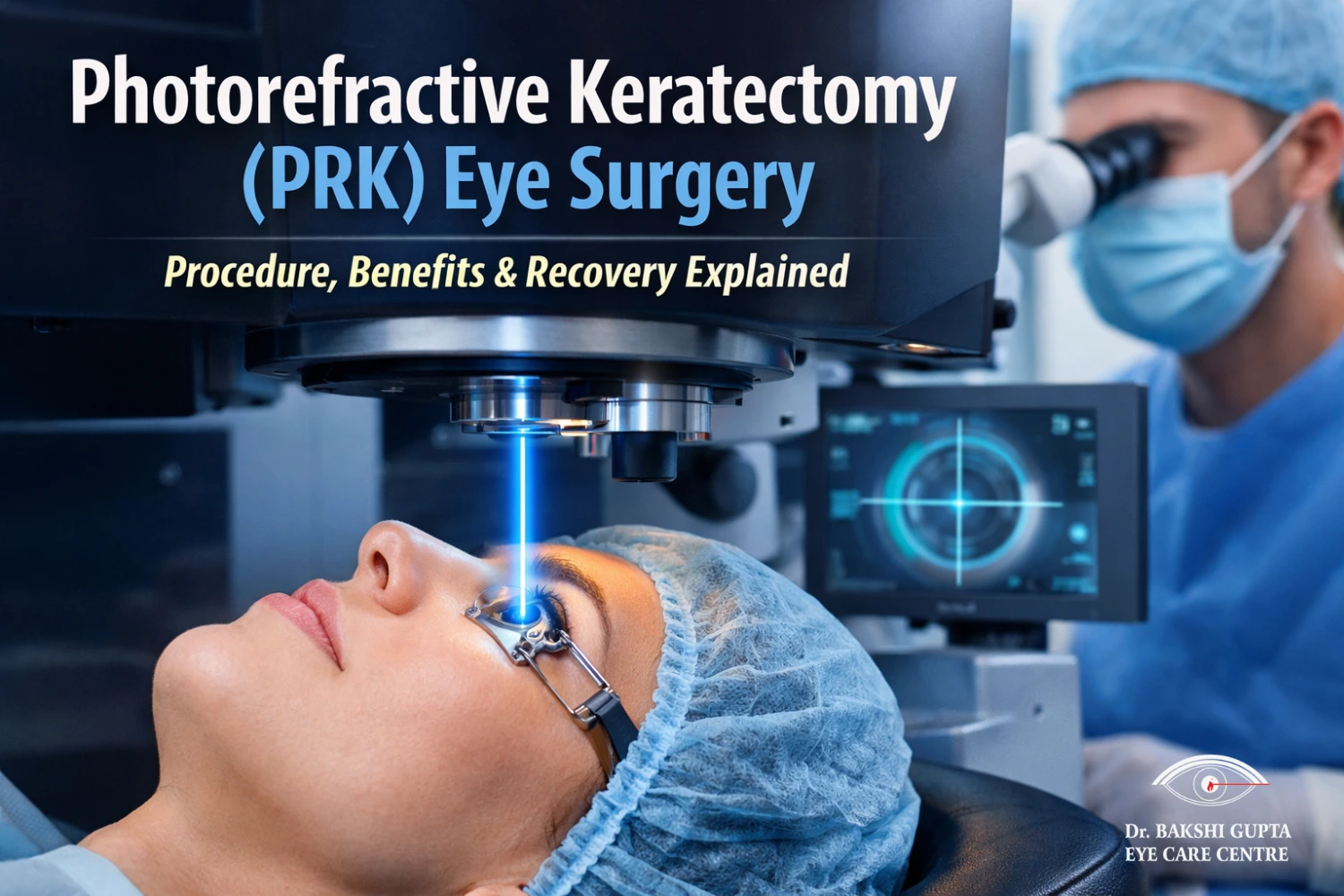
Laser cataract surgery is an advanced, bladeless technique that uses a femtosecond laser to perform crucial steps of cataract removal. Unlike manual surgery, where incisions are made with handheld tools, laser technology adds precision and consistency.
Simple Definition:
Laser cataract surgery uses computer-guided lasers to soften and remove the cloudy lens and replace it with an artificial intraocular lens (IOL).
Why Seniors Prefer Laser Cataract Surgery
Seniors often choose this option because:
- It reduces manual errors
- It creates precise corneal incisions
- It offers predictable refractive outcomes
- It may improve vision faster
This combination of precision and comfort makes laser cataract surgery for seniors an appealing choice for clearer vision.
How Does Laser Cataract Surgery Work?
Understanding the process helps seniors and caregivers know what to expect.
Step-by-Step Overview
- Eye Mapping And Measurements
An advanced imaging system maps the eye’s surface and cataract’s location, ensuring personalized treatment.
- Laser-Created Incisions
The femtosecond laser creates ultra-precise incisions for lens removal and IOL insertion.
- Cataract Fragmentation
Instead of ultrasound alone, the laser softens and breaks the cataract into smaller pieces for easier removal.
- Lens Removal and IOL Placement
After the cataract is removed, a new artificial intraocular lens (IOL) is implanted to restore vision.
- Quick and Comfortable Process
The procedure typically takes 10–15 minutes per eye, and seniors usually go home the same day.
Advantages of Laser Cataract Surgery for Seniors
The primary advantage is improved accuracy, but seniors benefit from several other features as well.
1. Greater Surgical Precision
The computer-guided laser creates incisions with micron-level accuracy, reducing risks associated with manual procedures.
2. Faster Visual Recovery
Because the laser softens the cataract before removal, it results in less trauma to the eye. Seniors often experience clearer vision within a few days.
3. Reduced Complications
Laser-based treatment minimizes the chance of infection, inflammation, and corneal swelling.
4. Improved Vision Quality
Laser cataract surgery may improve visual outcomes for patients with:
- Astigmatism
- Dense cataracts
- Previous refractive surgeries
5. Better Outcomes With Premium IOLs
Seniors choosing multifocal or toric lenses gain even sharper focus for near and distance.
Who Is a Good Candidate for Laser Cataract Surgery?
A senior may be a suitable candidate if:
- They have developed significant cataracts
- Their vision interferes with daily life
- They want more precise surgical results
- They have astigmatism that needs correction
- They are in overall good health
Not suitable for:
Seniors with severe eye infections, uncontrolled glaucoma, or extreme corneal issues may require an alternative approach.
Laser Cataract Surgery for Seniors vs Traditional Cataract Surgery
| Feature | Laser Cataract Surgery | Traditional Cataract Surgery |
| Precision | High (laser-based) | Moderate (manual) |
| Astigmatism Correction | Yes | Limited |
| Incisions | Laser-created | Handheld blade |
| Recovery | Faster | Slightly longer |
| Comfort | Higher | Standard |
Which Is Better for Seniors?
Laser cataract surgery is typically preferred for seniors seeking quick recovery, fewer complications, and enhanced visual outcomes.
Possible Risks of Laser Cataract Surgery
Although safe, the procedure may carry risks such as:
- Temporary blurry vision
- Mild inflammation
- Dryness or irritation
- Rare complications like swelling or elevated eye pressure
Choosing a skilled surgeon reduces most of these risks.
How to Prepare for Laser Cataract Surgery
Good preparation improves surgical outcomes.
1. Complete Eye Evaluation
Your specialist will check your retina, cornea, lens, and optic nerve.
2. Discuss IOL Options
Seniors should decide whether they want:
- Monofocal lenses – best for distance
- Multifocal lenses – for both near and far
- Toric lenses – for astigmatism
3. Follow Pre-Surgery Instructions
This may include:
- Using antibiotic eye drops
- Fasting before surgery
- Arranging transport home
- Adjusting medications if needed
Seniors should also inform their doctor about treatments for diabetes, blood pressure, or thyroid issues.
What to Expect During Laser Cataract Surgery
The patient remains awake with numbing drops applied to the eyes. Seniors may feel mild pressure but no pain. The laser performs the initial steps, and the surgeon removes the cataract and places the new lens.
Duration:
Approximately 10–20 minutes per eye.
After Surgery:
Most seniors go home within 30–60 minutes.
Recovery After Laser Cataract Surgery for Seniors
Recovery is usually smoother and faster than traditional cataract surgery.
Immediate Recovery Timeline
| Timeframe | What Seniors Typically Experience |
| First 24 hours | Mild blurriness, scratchy feeling |
| 48 hours | Noticeable vision improvement |
| 1 week | Clearer vision with minimal discomfort |
| 4–6 weeks | Full recovery, stable vision |
Common Symptoms During Recovery
- Mild itchiness
- Light sensitivity
- Slight redness
- Watery eyes
These symptoms usually resolve on their own.
Essential Care Tips After Laser Cataract Surgery
Here are practical care instructions seniors must follow:
1. Use Eye Drops as Prescribed
Antibiotic and anti-inflammatory drops support healing and prevent infections.
2. Avoid Rubbing Your Eyes
Rubbing may disturb the incision and new lens placement.
3. Wear Protective Eyewear
Seniors should wear sunglasses outdoors and an eye shield during sleep.
4. Avoid Water Contact for a Few Days
No swimming, no eye makeup, and no exposure to direct water pressure while bathing.
5. Limit Strenuous Activities
Avoid:
- Heavy lifting
- Bending excessively
- Jogging or gym workouts
6. Attend All Follow-Up Visits
Regular check-ups ensure proper healing and clear vision progression.
Why Seniors Should Consider Laser Cataract Surgery
Laser cataract surgery for seniors offers a combination of safety, precision, and comfort. Aging eyes require extra care, and this modern method reduces the risk of complications while restoring clarity. Seniors who want sharper vision, faster recovery, and long-term comfort often choose this advanced option.
Cost Considerations for Laser Cataract Surgery for Seniors
Costs may vary depending on:
- Clinic location
- Surgeon’s expertise
- Type of IOL used
- Diagnostic technology
Premium IOLs increase costs but also enhance visual results, especially for seniors seeking spectacle-independent life.
Frequently Asked Questions (FAQs)
1. Is laser cataract surgery for seniors safe?
Yes. It is one of the safest surgical options for senior eye care. The laser improves incision accuracy and reduces risks compared to manual surgery.
2. How long does recovery take after laser cataract surgery?
Most seniors recover within 4–6 weeks, but many notice improved vision in just 48–72 hours.
3. Can seniors resume normal activities after the surgery?
They can resume mild activities in 1–2 days, but should avoid strenuous tasks for at least 2 weeks.
4. Is laser cataract surgery painful?
No. Numbing drops ensure a comfortable, pain-free procedure.
5. Who should not undergo laser cataract surgery?
Seniors with corneal abnormalities, active infections, or uncontrolled glaucoma may not be suitable candidates. Consultation with a specialist is essential.
Key Takeaway
Laser cataract surgery for seniors offers a reliable, accurate, and faster way to restore clear vision. Its high precision, reduced complications, and improved recovery make it a preferred choice for older adults. By understanding the procedure, preparing well, and following proper aftercare, seniors can enjoy brighter, sharper, and more comfortable vision for years to come.