
Laser Eye Treatment Side Effects and How to Manage Them Safely
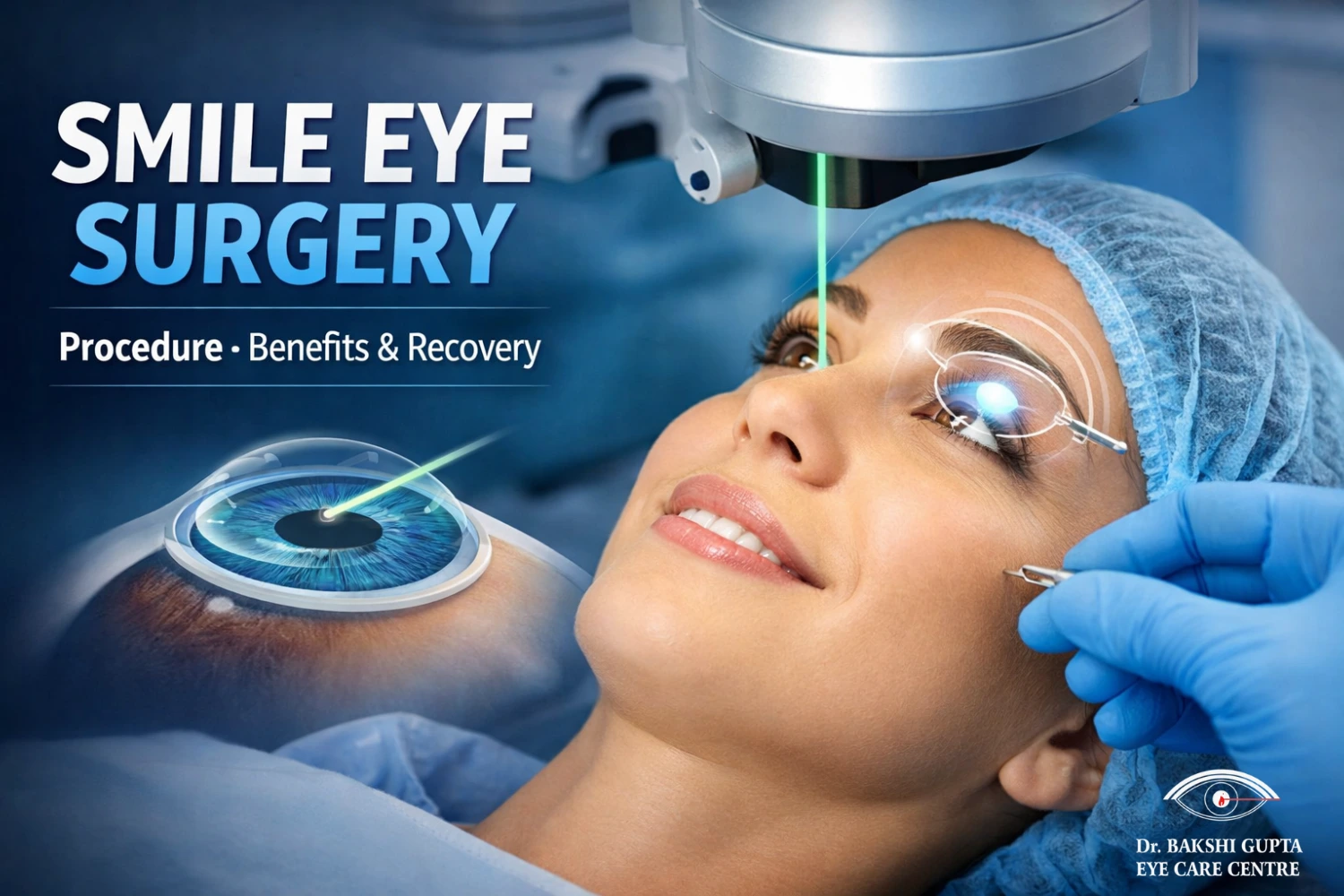
Laser eye treatment has transformed the way people correct vision problems like myopia, hyperopia, and astigmatism. Procedures such as LASIK, PRK, and SMILE offer freedom from glasses and contact lenses. However, before undergoing the procedure, it’s important to clearly understand laser eye treatment side effects—both short-term and long-term—so you can make an informed and confident decision.
In this guide, we explain laser eye surgery side effects, common complications, after-effects, and most importantly, how to manage them safely under expert medical care.
Understanding Laser Eye Treatment and Its Safety
Laser eye surgery reshapes the cornea using advanced laser technology to improve how light enters the eye. While the procedure is considered highly safe when performed by experienced surgeons, laser eye surgery risks and side effects can still occur—just like with any medical treatment.
At Gupta Eye Hospital in Panchkula, advanced diagnostic tools, strict screening protocols, and personalized treatment plans significantly reduce complications after laser eye surgery.
Common Laser Eye Treatment Side Effects (Short-Term)
Most patients experience mild and temporary after effects of laser eye treatment, especially during the first few days or weeks.
1. Dry Eyes After Surgery
Dry eyes are the most common after effects of laser eye surgery.
Symptoms include:
- Burning or stinging sensation
- Redness
- Grittiness
- Fluctuating vision
How to manage safely:
- Use prescribed lubricating eye drops
- Avoid excessive screen time
- Stay hydrated
- Follow post-operative care strictly
Dryness usually improves within 3–6 months.
2. Blurred or Fluctuating Vision
Temporary vision fluctuation is a normal laser eye treatment side effect, especially during healing.
Management tips:
- Avoid driving at night initially
- Attend all follow-up appointments
- Do not rub your eyes
Vision typically stabilizes within a few weeks.
3. Light Sensitivity
Many patients report sensitivity to bright lights, glare, or sunlight.
Safe management:
- Wear UV-protected sunglasses
- Avoid harsh lighting
- Use dim screens
This is a short-term after effect of laser eye surgery and improves gradually.
Laser Eye Surgery Side Effects (Long Term)
While rare, some patients may experience laser eye surgery side effects long term. Understanding these helps reduce anxiety and promotes timely treatment.
1. Night Vision Issues (Halos & Glare)
Some patients notice halos, starbursts, or glare—especially while driving at night.
Long term effects of laser eye surgery may include:
- Difficulty driving at night
- Reduced contrast sensitivity
How experts manage this:
- Advanced wavefront-guided lasers
- Customized treatment plans
- Enhancements if needed
Choosing an experienced surgeon at Gupta Eye Hospital Panchkula minimizes these risks.
2. Regression of Vision
Regression occurs when vision slightly shifts after surgery.
Why it happens:
- Natural aging
- Hormonal changes
- Severe refractive errors
This is one of the manageable laser eye surgery complications, often corrected with enhancement procedures.
3. Chronic Dry Eye (Rare)
In rare cases, dryness may persist longer than expected.
Safe management includes:
- Prescription eye drops
- Punctal plugs
- Long-term lubrication therapy
Early diagnosis significantly reduces complications of LASIK laser eye surgery.
Serious but Rare Laser Eye Surgery Complications
Though uncommon, serious complications after laser eye surgery must be discussed transparently.
1. Infection or Inflammation
Infections are extremely rare but possible if post-surgery care is ignored.
Warning signs:
- Severe pain
- Discharge
- Sudden vision loss
Immediate medical attention ensures full recovery.
2. Corneal Ectasia
This is a rare structural weakening of the cornea.
Risk factors include:
- Thin cornea
- Undiagnosed keratoconus
Thorough pre-surgery screening at Gupta Eye Hospital Panchkula virtually eliminates this risk.
3. Overcorrection or Undercorrection
Some patients may need enhancement surgery.
This is a known laser eye surgery risk and side effect, not a failure of treatment.
How to Reduce Laser Eye Surgery Risks and Side Effects
The best way to prevent laser eye treatment side effects is careful preparation and expert guidance.
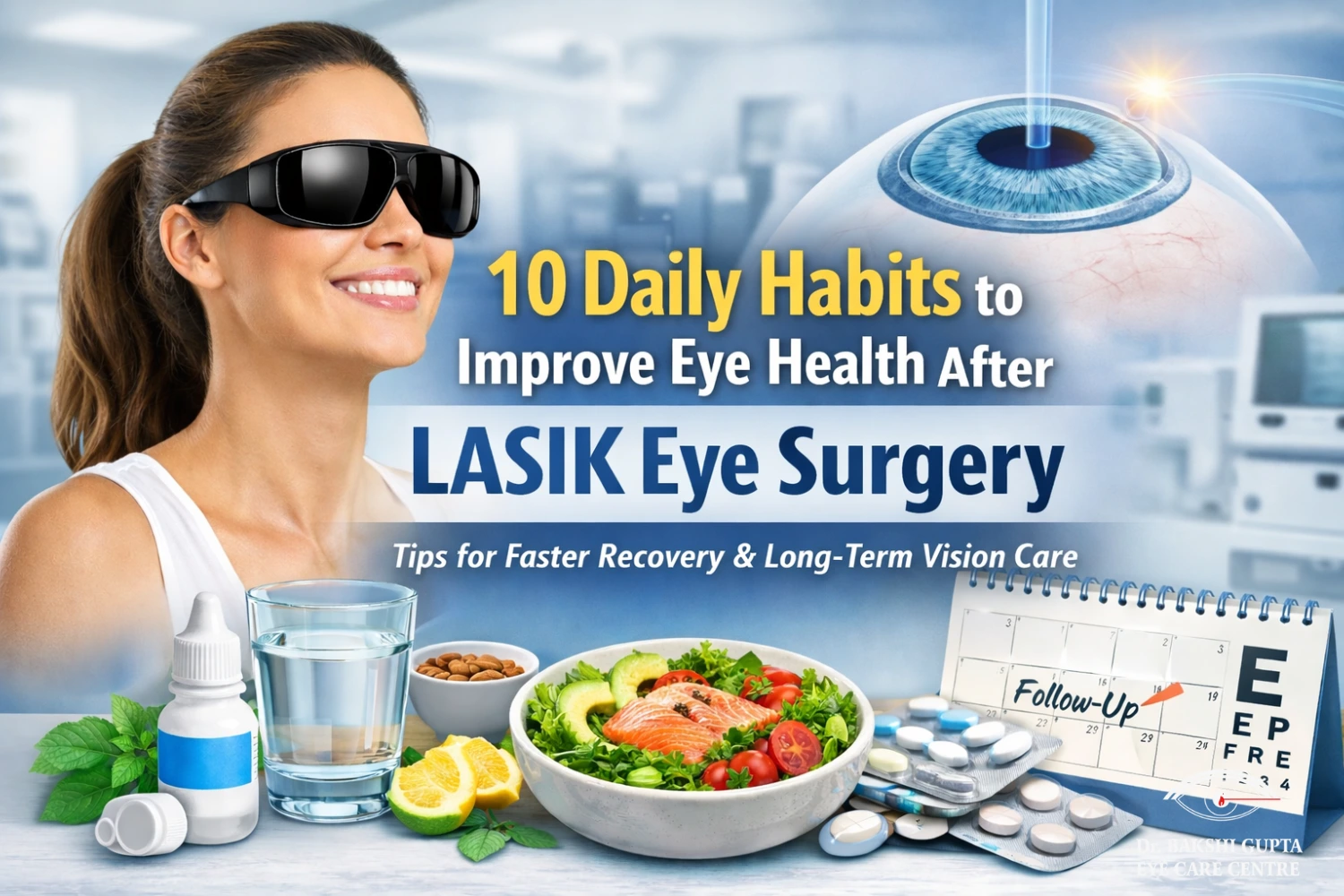
Follow These Safety Tips:
Choose a Reputed Eye Hospital
Always select a trusted and well-equipped eye hospital with experienced surgeons and advanced laser technology. A reputed center follows strict safety protocols, which greatly lowers the chances of laser eye surgery complications and long-term after effects.
Undergo a Complete Eye Evaluation
A detailed pre-surgery assessment is crucial. Tests for corneal thickness, tear production, pupil size, and overall eye health help determine whether you are a suitable candidate. Proper screening significantly reduces the risk of complications of LASIK laser eye surgery and ensures the most suitable procedure is chosen for your eyes.
Follow Medication Instructions Carefully
Using prescribed eye drops before and after surgery helps prevent infection, inflammation, and dryness. Skipping medications or adjusting doses without medical advice can increase the after effects and delay healing.
Avoid Rubbing Your Eyes
Rubbing the eyes after surgery can disturb corneal healing and may lead to complications after laser eye surgery. Protecting your eyes—especially during sleep and face washing—is essential in the early recovery phase.
Attend All Follow-Up Visits
Regular post-operative check-ups allow your eye specialist to monitor healing, detect early signs of laser eye surgery side effects long term, and manage issues before they become serious. Follow-ups play a key role in achieving stable, long-lasting vision results.
By staying informed, understanding procedures like LASIK, and following expert guidance, most patients can safely manage the after effects of laser eye surgery and enjoy clear vision with minimal risk.
Who Is More Prone to Laser Eye Surgery Complications?
Some people have a higher risk of laser eye surgery complications, including:
- Severe dry eye sufferers
- Autoimmune conditions
- Pregnant or breastfeeding women
- People with unstable vision
A detailed consultation helps determine suitability.
Why Expert Care Matters for Safe Laser Eye Treatment
Experience, technology, and post-operative care make all the difference.
Gupta Eye Hospital Panchkula stands out for:
- Advanced laser technology
- Experienced ophthalmologists
- Strict safety protocols
- Transparent patient education
Choosing the right hospital significantly reduces laser eye surgery risks and side effects.
FAQs
1. Is laser eye treatment safe?
Yes, when performed by qualified surgeons with proper screening.
2. How long do laser eye treatment side effects last?
Most side effects resolve within weeks to months.
3. Are laser eye surgery side effects long term common?
Long-term complications are rare and usually manageable.
4. Can complications after laser eye surgery be treated?
Yes, early diagnosis ensures effective treatment.
5. Is LASIK safer than other laser eye procedures?
All procedures are safe when selected appropriately.
6. Can dry eyes become permanent?
Rarely, but proper care significantly reduces risk.
Conclusion
Understanding laser eye treatment side effects helps set realistic expectations and reduces fear. While mild after effects of laser eye surgery are common, serious complications are rare—especially when the procedure is done at a trusted center.
With advanced technology, expert surgeons, and patient-focused care, Gupta Eye Hospital Panchkula ensures safe outcomes and long-term visual success.
If you’re considering laser eye treatment, informed decisions and expert guidance are your best safeguards.