Gupta Eye and Dental Care

Categories
Eye Hospital In Panchkula

Top Tips to Choose the Right Oculoplastic Surgeon in Panchkula

When it comes to delicate surgeries around the eyes and face, choosing the right oculoplastic surgeon in Panchkula can make all the difference. Whether you need eyelid reconstruction, tear duct surgery, or cosmetic eyelid enhancement, it’s crucial to find a highly qualified and experienced specialist.  Gupta Eye and Dental Care, a leading eye hospital in Panchkula, patients receive world-class oculoplastic and reconstructive eye treatments from experienced specialists who combine precision, compassion, and advanced surgical techniques. If you’re planning to undergo oculoplastic surgery, here are the top tips to help you choose the right oculoplastic surgeon in Panchkula for the best care and results. 1. Understand What an Oculoplastic Surgeon Does Before you start your search, it’s important to understand the role of an oculoplastic surgeon. These specialists are ophthalmologists who have undergone additional training in plastic and reconstructive surgery of the eyelids, orbit (eye socket), and tear ducts. Oculoplastic surgeons handle both medical and cosmetic procedures, including: Knowing their expertise will help you evaluate whether your condition falls under their specialization. 2. Check Qualifications and Training One of the most important factors when choosing an oculoplastic surgeon in Panchkula is verifying their education, certification, and training. Your surgeon should: Don’t hesitate to ask about their credentials, years of experience, and the types of procedures they frequently perform. The right surgeon will always be transparent and happy to discuss their professional background. 3. Look for Experience and Expertise Experience is key, especially when it comes to surgeries near the eyes — one of the most sensitive areas of the face. An experienced oculoplastic surgeon understands both functional precision and aesthetic balance. Here’s what to look for: A seasoned oculoplastic surgeon in Panchkula will have handled a variety of complex cases, making them better equipped to deal with unexpected challenges during surgery. 4. Review Patient Testimonials and Before–After Photos One of the most effective ways to gauge a surgeon’s reputation and skill is by checking patient reviews and before-and-after photos of previous surgeries. You can: These visuals and testimonials offer valuable insight into the surgeon’s aesthetic approach, precision, and patient satisfaction. Positive reviews and consistent results are good indicators of trustworthiness. 5. Evaluate Clinic Facilities and Technology A professional oculoplastic clinic in Panchkula should maintain high medical standards, advanced technology, and strict hygiene protocols. Before committing, visit the clinic or hospital where the surgery will take place. Here’s what to observe: Modern technologies such as high-resolution imaging, microsurgical instruments, and laser-assisted techniques enhance precision and safety during oculoplastic surgery. 6. Discuss the Consultation Process A detailed consultation is a sign of a responsible surgeon. During your initial meeting, the oculoplastic surgeon should take time to: Avoid surgeons who rush through consultations or don’t provide clear explanations. The right surgeon in Panchkula will prioritize your comfort, educate you about the procedure, and set realistic expectations. 7. Consider Communication and Comfort Good communication between you and your surgeon is essential for a smooth surgical experience. You should feel comfortable discussing your concerns and confident in the surgeon’s expertise. Ask yourself: A compassionate surgeon who values patient trust will help reduce anxiety and make the entire experience more reassuring. 8. Inquire About Surgical Techniques and Recovery Different oculoplastic procedures may use various surgical techniques depending on your condition and desired outcome. It’s important to ask your surgeon about: The best oculoplastic surgeons in Panchkula will personalize your surgical plan, ensuring it suits your facial anatomy and medical needs while minimizing downtime. 9. Understand the Cost and Financing Options While cost should never be the only deciding factor, it’s wise to understand the total expense of your surgery beforehand. The price of oculoplastic surgery in Panchkula varies based on: Ask for a detailed cost estimate, including consultation fees, surgical charges, and post-surgery visits. Some clinics may also offer flexible payment plans or EMI options to make treatment more accessible. 10. Check for Post-Operative Support and Follow-Up Successful oculoplastic surgery doesn’t end in the operation room — aftercare is equally important. Ensure your surgeon provides a structured follow-up plan, which includes: A dedicated surgeon will prioritize long-term outcomes and ensure your recovery is smooth and safe. 11. Seek Recommendations and Referrals Word of mouth remains a powerful way to find reliable medical specialists. Ask for referrals from: Hearing firsthand experiences can guide you toward the most trusted oculoplastic surgeon in Panchkula. 12. Verify Accreditation and Hospital Affiliations Lastly, check if the surgeon is affiliated with reputed hospitals or eye institutes in Panchkula or nearby areas like Chandigarh and Mohali. Surgeons associated with recognized hospitals often adhere to stricter quality and safety standards. Look for affiliations with trusted institutions such as: This ensures that your surgery will take place in a safe, sterile, and well-equipped environment. Final Thoughts Choosing the right oculoplastic surgeon in Panchkula is not just about credentials — it’s about trust, communication, and patient-centered care. Take your time to research, ask questions, and compare options before making a decision or choosing a reputed eye hospital in Panchkula that specializes in oculoplastic and reconstructive eye care. An experienced, compassionate, and well-qualified oculoplastic surgeon will ensure you receive the best possible outcome — improving both your vision and confidence.
Categories
Eye Hospital In Panchkula

Red Itchy Eyes: Common Causes and Effective Treatments

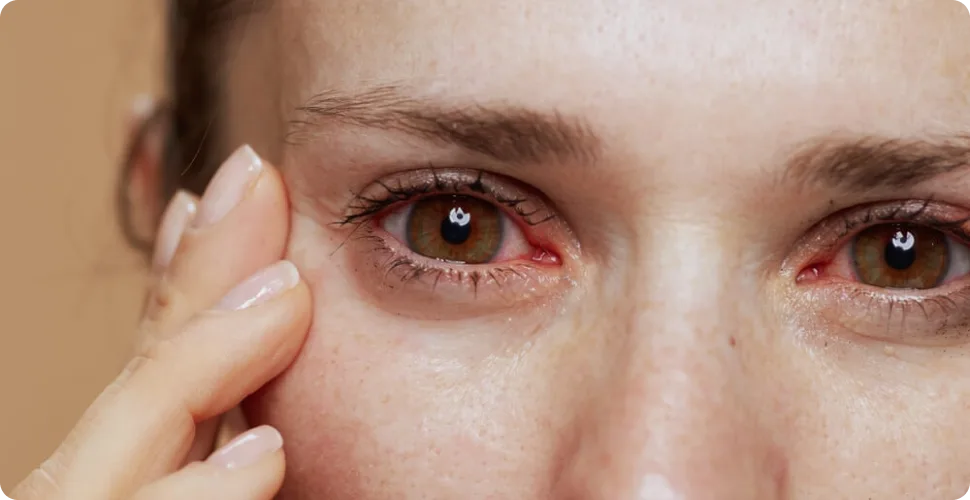
Red itchy eyes are one of the most uncomfortable and distracting eye problems you can experience. Whether it’s caused by allergies, dryness, or infection, red itchy eyes can make it difficult to focus, drive, or even get a good night’s sleep. If you’ve ever rubbed your eyes due to irritation only to make them worse, you know how frustrating it can be. In this detailed guide, we’ll explore the red itchy eyes causes, symptoms, and the most effective remedies for relief. You’ll also learn about when to see an eye specialist, how to prevent future irritation, and the best red and itchy eyes treatment options available today. Understanding Red Itchy Eyes When your eyes become red and itchy, it’s a clear sign that something is irritating the surface of the eye or the surrounding tissues. This condition may also involve eye redness and irritation, watering, swelling, or a burning sensation. Your eyes are protected by a thin layer called the conjunctiva. When this layer becomes inflamed, you may develop red irritated eyes, which can result from a variety of causes — from mild allergies to serious infections. Let’s dive deeper into what’s behind red itchy eyes and how you can manage it effectively. Common Causes of Red Itchy Eyes 1. Allergies (Allergic Conjunctivitis) One of the most common red itchy eyes causes an allergic reaction. Pollen, pet dander, dust mites, and mold are typical allergens that trigger inflammation in your eyes. When exposed to these allergens, your immune system releases histamines, leading to eye redness and irritation. Symptoms include: Tip: Avoid rubbing your eyes; it worsens inflammation. Instead, use cold compresses or antihistamine drops for relief. 2. Dry Eyes When your eyes don’t produce enough tears, or the quality of tears is poor, dryness occurs. This leads to friction and irritation, causing itchy irritated eye symptoms. You may experience: Treatment options: Chronic dry eyes should be evaluated by an eye specialist, such as one at an eye hospital in Panchkula, for proper diagnosis and long-term management. 3. Infections (Conjunctivitis or Pink Eye) Bacterial or viral infections can lead to red irritated eyes. Viral infections are often linked to colds or flu, while bacterial infections can result in pus-like discharge and crusting. Common symptoms: Treatment: Avoid touching your eyes and wash your hands frequently to prevent spreading the infection. 4. Blepharitis (Inflammation of the Eyelids) If your eyelids are red and itchy, you might be suffering from blepharitis. This occurs due to oil gland blockages near the eyelashes or bacterial overgrowth. Symptoms: Remedy: Clean your eyelids gently using diluted baby shampoo or a medicated eyelid cleanser. Warm compresses can also help loosen debris and unclog glands. 5. Contact Lens Irritation Improper use of contact lenses can cause eye redness and irritation. Wearing lenses too long, not cleaning them properly, or using expired solution can irritate the eyes and make them itchy. Preventive tips: If symptoms persist, discontinue lens use until your eyes heal. 6. Environmental Factors External factors such as pollution, smoke, or chlorine from swimming pools can lead to red itchy eyes. These irritants damage the tear film and cause discomfort. Prevention: 7. Digital Eye Strain Spending hours on digital screens can reduce your blink rate, leading to dryness and itchy irritated eye symptoms. Signs include: Relief: Follow the 20-20-20 rule: every 20 minutes, look at something 20 feet away for 20 seconds. Adjust screen brightness and maintain a proper viewing distance. 8. Foreign Objects and Eye Injury Tiny particles like dust or sand can scratch your cornea, causing eye redness and irritation. Immediate steps: Effective Home Remedies for Red Itchy Eyes When dealing with red itchy eyes, several home remedies can bring quick and safe relief. However, if symptoms last more than a few days, consult an eye specialist for proper evaluation. 1. Cold Compress Applying a cold compress helps reduce swelling, itching, and redness. It’s especially beneficial for allergy-related red irritated eyes. How to use: 2. Cucumber Slices Cucumbers have natural cooling and anti-inflammatory properties that soothe itchy irritated eye symptoms. Steps: 3. Aloe Vera Gel Aloe vera contains antioxidants and soothing compounds that reduce eye redness and irritation. Usage: 4. Green Tea Bags Green tea has anti-inflammatory and antihistamine effects that can ease red itchy eyes. How to use: 5. Artificial Tears Over-the-counter lubricating drops can instantly relieve dryness and provide long-lasting moisture for red irritated eyes. Tip: Choose preservative-free formulations for sensitive eyes. 6. Honey and Warm Water Rinse Honey is known for its antibacterial properties, making it a gentle itchy red eyes remedy for mild irritation. Method: Medical Treatments for Red and Itchy Eyes When home remedies don’t work, it’s time to consider medical red and itchy eyes treatment. Depending on the cause, your doctor may recommend: 1. Antihistamine Eye Drops For allergy-related red itchy eyes, antihistamine drops block histamine release, reducing swelling and itchiness. 2. Lubricating or Artificial Tear Drops Ideal for dry eyes and computer users, these drops keep your eyes hydrated and reduce eye redness and irritation. 3. Steroid Eye Drops Used for severe inflammation or infections, these drops should only be taken under medical supervision. 4. Antibiotic or Antiviral Medication If the red irritated eyes are caused by bacteria or viruses, your doctor may prescribe topical or oral medication. 5. Lid Hygiene Treatments In cases of eyelids red and itchy (blepharitis), doctors recommend lid scrubs, warm compresses, and antibiotics to manage symptoms. Comparison: Home Remedies vs. Medical Treatments Aspect Home Remedies Medical Treatments Best For Mild red itchy eyes or allergies Persistent or severe red irritated eyes Examples Cold compress, aloe vera, cucumber, green tea bags Antihistamine drops, antibiotics, lubricants Effectiveness Provides temporary relief Offers targeted and long-term relief Availability Easily available at home Requires prescription or specialist visit When to Use Early symptoms or mild irritation Prolonged redness, discharge, or pain Precaution Ensure hygiene to avoid infection Use under doctor’s supervision only Prevention Tips for Red Itchy Eyes Understanding eye irritation causes and addressing them early can help prevent

Categories
Eye Hospital In Panchkula

Puffiness Under One Eye: Common Causes and Effective Remedies

Have you ever woken up to notice puffiness under one eye and wondered why it happens? This seemingly minor issue can be frustrating, affecting both your appearance and confidence. Puffiness around one eye is common and can occur due to a variety of reasons, ranging from simple lifestyle habits to underlying medical conditions. Understanding the cause of puffiness under one eye is crucial for effective treatment and prevention. In this blog, we will explore the main puffiness under one eye causes, how to identify whether it is mild or severe, and practical remedies to reduce or prevent it. Common Causes of Puffiness Under One Eye Puffiness under one eye is often harmless, but pinpointing the exact reason is important. Here are the most frequent causes: 1. Fluid Retention Fluid accumulation in the tissues around your eyes can cause puffiness, particularly in the morning. Puffiness under one eye in the morning is often related to sleeping positions or excess salt intake the night before. 2. Allergies Allergic reactions can lead to localized swelling and redness. If you notice slight puffiness under one eye, it could be a sign of an allergy to dust, pollen, or certain skincare products. 3. Lack of Sleep or Fatigue Insufficient sleep causes blood vessels to dilate and fluid to collect under your eyes. Both puffiness under one eye and dark circles can appear, especially after long nights or irregular sleep patterns. 4. Aging As we age, the tissues around the eyes weaken, and fat that normally supports the eyes moves into the lower eyelids. This can result in puffiness around one eye even without other contributing factors. 5. Infections or Inflammation Conditions like conjunctivitis or sinus infections can sometimes cause sudden puffiness under one eye. If swelling is accompanied by pain, redness, or discharge, medical attention is recommended immediately. 6. Lifestyle Factors High salt diets, alcohol consumption, smoking, and dehydration can all contribute to puffiness. A combination of these factors often explains puffiness under one eye in the morning. 7. Medical Conditions In rare cases, persistent swelling could indicate more serious issues such as thyroid problems, kidney disorders, or cellulitis. Always consult a healthcare professional if puffiness under one eye does not improve with home remedies. Effective Remedies for Puffiness Under One Eye Fortunately, there are several ways to reduce or prevent puffiness under one eye. Some remedies are simple and can be done at home, while others may require medical consultation. 1. Cold Compress Applying a cold compress or chilled spoons to the affected area can constrict blood vessels and reduce swelling. Use this for 5–10 minutes, particularly if you notice slight puffiness under one eye in the morning. 2. Proper Sleep Ensure you get 7–9 hours of sleep each night. Sleeping with your head slightly elevated helps prevent fluid accumulation, reducing puffiness around one eye. 3. Reduce Salt Intake High sodium diets contribute to water retention. Cutting back on salty foods can prevent puffiness under one eye in the morning. 4. Stay Hydrated Drinking enough water flushes out excess salt and reduces swelling. Adequate hydration is a simple yet effective way to address slight puffiness under one eye. 5. Allergy Management If allergies are the cause of puffiness under one eye, over-the-counter antihistamines or allergy-friendly skincare products may help. Always consult a doctor for persistent allergy issues. 6. Eye Massage Gently massaging the under-eye area can improve circulation and help reduce fluid buildup. Use your ring finger to lightly tap or massage the area around the eye. 7. Skincare Solutions Eye creams containing caffeine, hyaluronic acid, or peptides can tighten skin and reduce swelling. These are especially effective for chronic puffiness under one eye due to aging. 8. Professional Treatments In cases of sudden puffiness under one eye caused by infections, allergies, or other medical conditions, visiting an eye hospital in Panchkula or consulting an ophthalmologist is recommended. They may provide prescription creams or minor procedures to address the swelling. Lifestyle Tips to Prevent Puffiness Under One Eye Preventing puffiness is easier than treating it. Here are some proactive steps: When to See a Doctor While most cases of puffiness under one eye are harmless, consult a medical professional if you notice: These signs could indicate an infection, allergic reaction, or a more serious underlying condition that requires medical attention. Conclusion Dealing with puffiness under one eye can be frustrating, but understanding the underlying causes and following simple remedies can make a significant difference. Whether it’s morning puffiness, slight puffiness under one eye, or sudden puffiness under one eye, lifestyle adjustments, proper sleep, and professional guidance when necessary can help you look and feel your best. Always pay attention to your body, and don’t hesitate to consult a professional, like visiting an eye hospital in Panchkula, if swelling persists or worsens. By incorporating these preventive and corrective measures, you can manage puffiness effectively and maintain a refreshed and youthful appearance. FAQs Q1. Why do I have puffiness under one eye only?Puffiness under one eye is usually caused by localized fluid retention, allergies, or an infection affecting that side. Sleeping positions can also contribute to uneven swelling. Q2. How can I reduce puffiness under one eye in the morning?Applying a cold compress, staying hydrated, reducing salt intake, and sleeping with your head slightly elevated are effective ways to reduce morning puffiness. Q3. Is slight puffiness under one eye harmful?Slight puffiness is generally harmless and often due to fatigue, fluid retention, or mild allergies. However, persistent swelling should be checked by a doctor. Q4. Can allergies cause puffiness around one eye?Yes, allergies can trigger swelling and redness around a single eye, particularly if you are exposed to irritants like dust, pollen, or certain skincare products.Q5. When should I seek professional help?Consult a doctor if puffiness is accompanied by pain, redness, discharge, vision problems, or if it occurs suddenly without explanation.

Categories
Eye Hospital In Panchkula

Different Types of Squint: Their Symptoms & Treatment Explained

Squint, also known as strabismus, is an eye condition where both eyes do not align properly when focusing on an object. While one eye looks straight ahead, the other may turn inward, outward, upward, or downward. This misalignment can be constant or intermittent, and it often affects vision, depth perception, and confidence if left untreated. Understanding the types of squint is essential for early detection, proper treatment, and preventing long-term complications such as lazy eye (amblyopia). In this blog, we’ll explore the different types of squint, their unique characteristics, causes, and treatment options, including commonly known conditions like esotropia squint, exotropia squint, and the less common V pattern esotropia. What is Squint? Squint occurs when the eye muscles fail to work together in a coordinated manner. Normally, both eyes move in sync, sending aligned images to the brain. In squint, however, the misalignment disrupts this coordination, leading to double vision or the brain ignoring signals from one eye. This can affect both children and adults, though early intervention is more effective in preventing complications. The Different Types of Squint There are several different types of squint, and they are generally categorized based on the direction of eye misalignment: Let’s look at these in more detail, focusing on the more common and medically significant types. 1. Esotropia Squint Esotropia squint is a condition where one or both eyes turn inward toward the nose. It is one of the most common forms of squint in children and can be either constant or intermittent. Types of Esotropia Symptoms Treatment Options 2. Exotropia Squint Exotropia squint occurs when one or both eyes turn outward, away from the nose. It is less common than esotropia but can appear in both children and adults. Types of Exotropia Symptoms Treatment Options 3. Exotropia in Infants One important subset is exotropia in infants. While occasional outward eye turning in newborns is normal, persistent exotropia beyond 4–6 months of age requires medical evaluation. Causes Why Early Diagnosis Matters Early treatment is vital because untreated exotropia in infants can lead to amblyopia (lazy eye) and impaired binocular vision. Pediatric ophthalmologists often recommend close monitoring, corrective glasses, or surgery depending on the severity. 4. Squint Eye Exotropia The term squint eye exotropia is often used by patients to describe the outward turning of the eye. This condition not only affects vision but also impacts appearance, making early treatment important for both visual health and self-confidence. In adults, squint eye exotropia may develop due to: Corrective options for adults include surgery, prism lenses, and vision therapy to restore alignment and function. 5. Hypertropia (Upward-turning squint) Hypertropia is a type of squint where one eye turns upward compared to the other. This vertical misalignment is less common than esotropia or exotropia but can be quite noticeable. Causes: Symptoms: Treatment: 6. Hypotropia (Downward-turning squint) Hypotropia is the opposite of hypertropia—here, one eye turns downward compared to the other. It is also a vertical squint and can affect either eye. Causes: Symptoms: Treatment: 7. V Pattern Esotropia One less common but notable type of squint is V pattern esotropia. In this condition, the eyes turn inward more when looking upward compared to downward, creating a “V-shaped” pattern of misalignment. Causes Symptoms Treatment V pattern esotropia often requires precise diagnosis through detailed eye exams, as treatment varies significantly depending on severity and cause. How Are Squints Diagnosed? Diagnosis of the different types of squint usually involves: Early diagnosis ensures effective treatment and prevents long-term vision problems. Treatment Options for Different Types of Squint Treatment depends on the type, severity, and age of the patient. Some common treatment strategies include squint eye surgery, corrective glasses, and vision therapy: In children, treatment is often most effective when started early, before the brain fully develops its visual pathways. Living with Squint: Long-Term Outlook With timely diagnosis and proper treatment, most people with squint can achieve good eye alignment and vision. However, untreated cases may lead to complications such as: Regular eye check-ups, especially in infants and children, are essential to detect conditions like esotropia squint, exotropia squint, or V pattern esotropia early. Conclusion Squint is more than just an eye misalignment—it can significantly impact vision, confidence, and quality of life if left untreated. By understanding the different types of squint—including esotropia squint, exotropia squint, squint eye exotropia, exotropia in infants, and V pattern esotropia—patients and parents can recognize symptoms early and seek timely medical intervention. Modern treatment options such as glasses, patching, vision therapy, and surgery have made it possible to correct squint effectively, especially when detected early. If you or your child show signs of squint, consulting an eye specialist is the best step toward restoring clear, aligned vision.

Categories
Dr Bakshi Gupta Eye Care Centre Eye Hospital In Panchkula

The Benefits of Blue Light Filtering Lenses

In this digital age, we spend a significant amount of time staring at screens, be it our laptops, smartphones, or tablets. While these devices have made our lives easier, prolonged exposure to the blue light emitted by them can cause eye strain, headaches, and even disrupt our sleep cycle. Blue light filtering lenses can help alleviate these problems by reducing the amount of blue light that enters our eyes. In this article, we will discuss the benefits of blue light filtering lenses and how they can protect our eyes. Reduces Eye Strain Improves Sleep Quality Protects Against Age-Related Macular Degeneration Improves Visual Comfort Can be Combined with Prescription Lenses In conclusion, blue light filtering lenses can provide a range of benefits, including reducing eye strain, improving sleep quality, protecting against age-related macular degeneration, improving visual comfort, and can be combined with prescription lenses. If you spend a lot of time using digital devices, consider consulting with your eye care provider, such as Dr. Neeraj Gupta at Dr Bakshi Gupta Eye Care Centre in Panchkula, Haryana, about the benefits of blue light filtering lenses and whether they are suitable for you.

Categories
Dr Bakshi Gupta Eye Care Centre Eye Hospital In Panchkula

How Diet and Nutrition Affect Your Eye Health

How Diet and Nutrition Affect Your Eye Health We all know that eating a healthy diet is essential for our overall health, but did you know that diet and nutrition can also affect your eye health? The eyes require certain nutrients to function properly and protect against various eye diseases. In this article, we will discuss how diet and nutrition affect your eye health. Omega-3 Fatty Acids Vitamin A Vitamin C Vitamin E Zinc Lutein and Zeaxanthin Water In conclusion, a healthy diet rich in omega-3 fatty acids, vitamins A, C, and E, zinc, lutein, and zeaxanthin can help protect against various eye diseases and maintain healthy vision. Incorporating these nutrients into your diet through foods or supplements can benefit your overall eye health. It is also essential to stay hydrated by drinking plenty of water and other fluids. If you have concerns about your eye health or diet, consult with your healthcare provider or a registered dietitian. Dr. Neeraj Gupta at Dr Bakshi Gupta Eye Care Centre. Their hospital is full NABH accredited and provides computerized vision testing, IOP/NCT, cataract surgery (phaco/laser), glaucoma RX, squint RX, pterygium surgery, entropion/ectropion surgery, foreign body removal, YAG CAP/PI, specs removal, diabetic retinopathy RX, retina clinic services, and more. They are also empanelled with Ayushman Bharat, Haryana Govt, Himachal Govt, and Punjab Govt. For more information, visit their website at https://www.guptaeyeanddentalcare.com/ or call them at 098885 72660. 

Categories
Dr Bakshi Gupta Eye Care Centre Eye Hospital In Panchkula

Common vision problems in children and how to treat them

As a parent, it is important to be aware of common vision problems that can occur in children. Early detection and treatment of vision problems can prevent further complications and improve the child’s quality of life. Dr. Neeraj Gupta, a renowned ophthalmologist at Dr Bakshi Gupta Eye Care Centre, explains the most common vision problems in children and how to treat them. Myopia (Nearsightedness) Hyperopia (Farsightedness) Astigmatism Strabismus (Crossed Eyes) Amblyopia (Lazy Eye) Color Blindness If you suspect that your child may have a vision problem, schedule a comprehensive eye exam with Dr. Neeraj Gupta at Dr Bakshi Gupta Eye Care Centre. Their hospital is full NABH accredited and provides computerized vision testing, IOP/NCT, cataract surgery (phaco/laser), glaucoma RX, squint RX, pterygium surgery, entropion/ectropion surgery, foreign body removal, YAG CAP/PI, specs removal, diabetic retinopathy RX, retina clinic services, and more. They are also empanelled with Ayushman Bharat, Haryana Govt, Himachal Govt, and Punjab Govt. For more information, visit their website at https://www.guptaeyeanddentalcare.com/ or call them at 098885 72660. Remember, early detection and treatment of vision problems can improve your child’s quality of life.

Categories
Dr Bakshi Gupta Eye Care Centre Eye Hospital In Panchkula

Risk factors and symptoms of glaucoma

Glaucoma is a group of eye diseases that can cause damage to the optic nerve and lead to vision loss or blindness if left untreated. It is important to be aware of the risk factors and symptoms of glaucoma so that it can be detected and treated early. In this article, we will discuss the risk factors and symptoms of glaucoma. Risk Factors of Glaucoma: Symptoms of Glaucoma: In the early stages, glaucoma may not cause any symptoms. As the disease progresses, the following symptoms may occur: If you have any of the above symptoms or risk factors, it is important to see an ophthalmologist for a comprehensive eye exam. Early detection and treatment can help prevent vision loss and blindness. Dr. Neeraj Gupta, a renowned ophthalmologist at Dr. Bakshi Gupta Eye Care Centre, recommends regular eye exams for everyone, especially those at risk for glaucoma. The hospital offers a range of eye care services, including computerized vision testing, IOP/NCT, cataract surgery, glaucoma Rx, and retina clinic. They are empanelled with Ayushman Bharat, Haryana Govt, Himachal Govt, and Punjab Govt, and are a full NABH-accredited hospital. Visit their website https://www.guptaeyeanddentalcare.com/ or call 098885 72660 to book an appointment today.

Categories
Dr Bakshi Gupta Eye Care Centre Eye Hospital In Panchkula

Living with glaucoma: Tips for managing the condition

Living with glaucoma: Tips for managing the condition Glaucoma is a group of eye diseases that damage the optic nerve and cause vision loss. It is one of the leading causes of blindness worldwide, affecting millions of people. Although there is no cure for glaucoma, early diagnosis and treatment can help slow down its progression and preserve vision. If you have been diagnosed with glaucoma, it is important to take proactive steps to manage the condition and reduce the risk of vision loss. Here are some tips for living with glaucoma: If you have been diagnosed with glaucoma, it is essential to work closely with your eye doctor to manage the condition effectively. Dr. Bakshi Gupta Eye Care Centre, led by Dr. Neeraj Gupta, offers comprehensive eye care services, including glaucoma treatment, computerized vision testing, cataract surgery, and more. Located at 121, Maheshpur Rd, Sector 7, Panchkula, Haryana, the centre is equipped with the latest technology to provide patients with high-quality eye care. For more information, visit their website at https://www.guptaeyeanddentalcare.com/ or call 098885 72660.

Categories
Dr Bakshi Gupta Eye Care Centre Eye Hospital In Panchkula

The Importance of Eye Exams for Patients with Family History of Eye Diseases

The eyes are one of the most important organs of the body, but unfortunately, many people take them for granted until they experience a problem. Regular eye exams are an essential part of maintaining good eye health, but they are particularly important for patients with a family history of eye diseases. Dr Bakshi Gupta Eye Care Centre, led by Dr. Neeraj Gupta, is dedicated to providing comprehensive eye care services to patients in Panchkula and the surrounding areas. They offer a range of services, including computerized vision testing, cataract surgery, glaucoma treatment, and retina clinic, among others. If you have a family history of eye diseases, it is essential to undergo regular eye exams. Some eye conditions can be hereditary, meaning that they can be passed down from generation to generation. Therefore, if someone in your family has been diagnosed with an eye condition, you are at a higher risk of developing it as well. Regular eye exams can help detect early warning signs of eye diseases, allowing for early intervention and treatment. Some common eye diseases that may have a genetic component include glaucoma, cataracts, macular degeneration, and diabetic retinopathy. Glaucoma is a group of eye diseases that damage the optic nerve, leading to vision loss and blindness. Cataracts are a clouding of the lens in the eye that can cause blurred vision, difficulty seeing at night, and increased sensitivity to glare. Macular degeneration affects the central part of the retina and can cause a loss of central vision. Diabetic retinopathy is a complication of diabetes that damages the blood vessels in the retina and can lead to blindness. It is important to note that not all eye diseases are hereditary, and lifestyle factors such as smoking, diet, and sun exposure can also play a role in the development of certain eye conditions. Therefore, it is essential to maintain a healthy lifestyle and undergo regular eye exams to monitor any changes in your vision. In conclusion, regular eye exams are essential for maintaining good eye health, particularly for patients with a family history of eye diseases. Dr Bakshi Gupta Eye Care Centre is dedicated to providing comprehensive eye care services to patients in Panchkula and the surrounding areas. Book an appointment today to ensure that your eyes are in good hands.