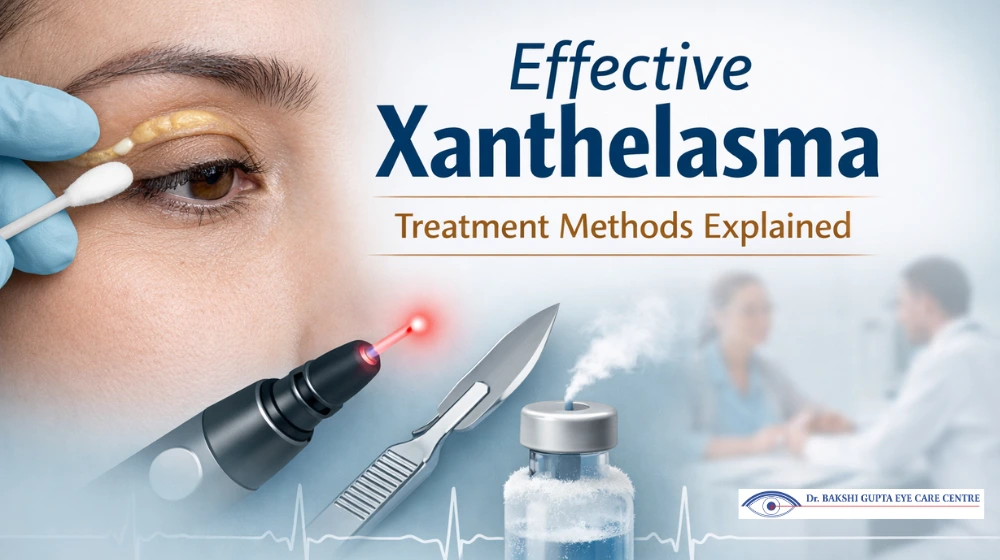
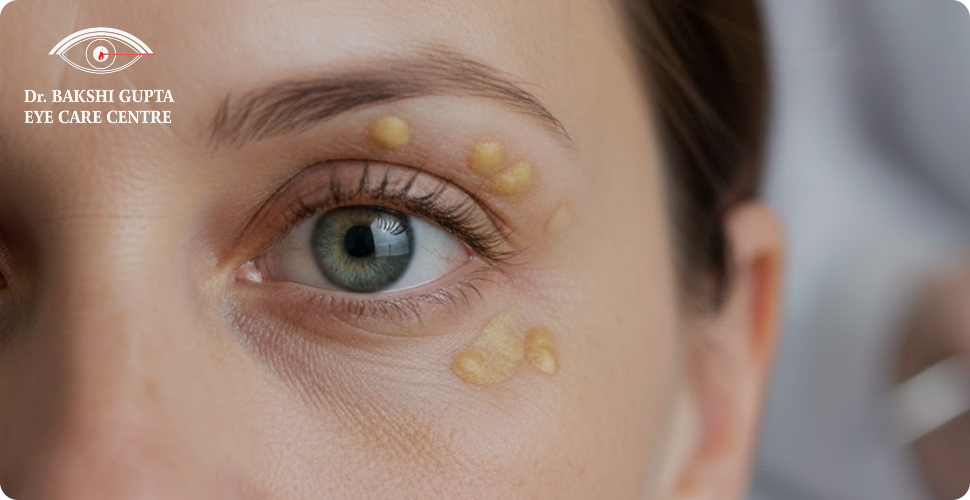
Xanthelasma is a cosmetic and medical concern that often appears as yellowish, cholesterol-rich plaques on the eyelids. Although it is painless and usually harmless, many people seek treatment because it affects facial appearance and may signal underlying health issues such as high cholesterol or metabolic disorders.
While medical or surgical treatments can remove existing xanthelasma, recurrence is common if the root causes are not addressed. This is why long-term prevention depends heavily on dietary changes, lifestyle habits, and regular medical monitoring.
Understanding Xanthelasma and Why It Recurs
Xanthelasma palpebrarum is caused by deposits of lipids under the skin, usually around the eyes. Even after successful removal through laser, surgery, or chemical treatment, recurrence rates can range from 30% to 50%, especially if cholesterol levels remain uncontrolled.
Key reasons xanthelasma returns include:
- High LDL (bad) cholesterol
- Low HDL (good) cholesterol
- Diabetes or insulin resistance
- Thyroid disorders
- Genetics
- Poor dietary and lifestyle choices
Treating the visible lesion alone is not enough. Preventing recurrence requires managing internal metabolic health.
The Role of Diet in Preventing Xanthelasma Recurrence
Diet is one of the most powerful tools to control lipid levels and reduce fat deposition under the skin.
1. Focus on Heart-Healthy Foods
A cholesterol-friendly diet helps reduce the buildup of lipids that cause xanthelasma.
Include:
- Whole grains such as oats, brown rice, and barley
- Fruits like apples, berries, citrus fruits, and pears
- Vegetables, especially leafy greens and cruciferous vegetables
- Legumes such as lentils, chickpeas, and beans
These foods are high in fiber, which helps lower LDL cholesterol naturally.
2. Choose Healthy Fats, Avoid Harmful Ones
Not all fats are bad, but the type of fat matters greatly.
✅ Healthy fats:
- Olive oil
- Nuts (almonds, walnuts)
- Seeds (flaxseeds, chia seeds)
- Fatty fish such as salmon, tuna, and mackerel
❌ Avoid or limit:
- Fried foods
- Trans fats
- Packaged snacks
- Bakery items with hydrogenated oils
Reducing unhealthy fats significantly lowers the chance of xanthelasma recurrence.
3. Limit Sugar and Refined Carbohydrates
High sugar intake worsens insulin resistance and raises triglyceride levels, increasing the risk of lipid deposits.
Avoid:
- Sugary beverages
- White bread and pasta
- Processed cereals
- Sweets and desserts
Replace them with complex carbs and natural sweeteners in moderation.
4. Increase Antioxidant-Rich Foods
Antioxidants help reduce inflammation and oxidative stress, which can contribute to lipid deposition.
Add:
- Green leafy vegetables
- Berries
- Green tea
- Turmeric
- Dark chocolate (in moderation)
Lifestyle Changes That Reduce Xanthelasma Recurrence
Diet alone is not enough. Daily lifestyle habits play an equally important role.
1. Maintain a Healthy Body Weight
Obesity is closely linked with high cholesterol and metabolic disorders. Losing even 5–10% of body weight can significantly improve lipid profiles and reduce recurrence risk.
2. Exercise Regularly
Physical activity improves HDL cholesterol and lowers LDL cholesterol.
Recommended activities:
- Brisk walking for 30 minutes daily
- Cycling or swimming
- Yoga and strength training
Aim for at least 150 minutes of moderate exercise per week.
3. Quit Smoking and Limit Alcohol
Smoking damages blood vessels and worsens lipid metabolism. Alcohol, especially in excess, can raise triglyceride levels.
For prevention:
- Quit smoking completely
- Limit alcohol intake to occasional or moderate levels
These changes benefit both eye health and cardiovascular health.
4. Get Quality Sleep and Manage Stress
Chronic stress and poor sleep negatively affect hormone balance and cholesterol levels.
Tips:
- Sleep 7–8 hours daily
- Practice relaxation techniques like meditation or deep breathing
- Maintain consistent sleep timings
Medical Monitoring: A Key Step in Prevention
Even with the best diet and lifestyle, regular medical check-ups remain essential.
1. Monitor Cholesterol and Blood Sugar
If you’ve had xanthelasma before, test your:
- Lipid profile
- Blood sugar levels
- Thyroid function
Monitoring helps detect issues early and prevent recurrence.
2. Follow Prescribed Medications Strictly
If your doctor has prescribed cholesterol-lowering medications such as statins, do not stop them without medical advice. These medications significantly reduce recurrence risk.
A trusted xanthelasma treatment hospital will focus not only on removal but also on long-term medical management.
Importance of Choosing the Right Specialist
Xanthelasma forms near delicate eye structures, so treatment and follow-up must be handled carefully.
Consulting an experienced eye specialist in Panchkula ensures:
- Accurate diagnosis
- Safe removal techniques
- Proper evaluation of underlying causes
- Guidance on prevention strategies
A specialist approach greatly reduces complications and recurrence rates.
Post-Treatment Care Tips to Prevent Recurrence
After treatment:
- Keep the eyelid area clean and protected
- Avoid rubbing the eyes
- Use prescribed ointments correctly
- Protect the skin from excessive sun exposure
Follow-up visits are critical to monitor healing and detect early signs of recurrence.
Can Xanthelasma Be Completely Prevented?
Xanthelasma cannot always be completely prevented, especially in genetically predisposed individuals. However, recurrence can be significantly delayed or minimized with:
- Strict cholesterol control
- Consistent healthy lifestyle habits
- Regular consultation with healthcare professionals
Early intervention improves long-term outcomes.
When Should You See a Doctor?
You should consult an eye doctor or visit a Xanthelasma treatment hospital if:
- Yellow plaques reappear after treatment
- Lesions increase in size
- You have a family history of high cholesterol
- You are diagnosed with diabetes or thyroid disorders
Prompt evaluation prevents progression and complications.
Final Thoughts
Preventing xanthelasma recurrence requires a holistic approach. While medical treatment removes visible lesions, lasting results depend on managing internal health through diet, exercise, stress control, and regular medical care.
By adopting heart-healthy dietary habits, maintaining an active lifestyle, and seeking guidance from a trusted eye specialist in Panchkula, you can significantly reduce the risk of recurrence and protect both your appearance and overall health.