Gupta Eye and Dental Care

Categories
Dr Bakshi Gupta Eye Care Centre

How to Identify Early Signs of Squint in Children: A Parent’s Guide

As a parent, nothing matters more than your child’s healthy growth—and vision plays a major role in how children learn, play, and interact with the world. One common yet often misunderstood eye condition is squint in children, also known as strabismus. When detected early, squint in children can be treated effectively, preventing long-term vision problems. But when ignored, it may lead to permanent visual impairment. This comprehensive parent’s guide explains what squint in children is, how to spot early signs, when to worry, and what treatment options are available. Whether you’re a new parent or caring for a school-going child, this guide will help you make informed decisions with confidence. What Is Squint in Children? Squint in children occurs when the eyes do not align properly and point in different directions. One eye may look straight ahead, while the other turns inward, outward, upward, or downward. This misalignment can be constant or appear only occasionally. In normal vision, both eyes work together to send a single, clear image to the brain. But in squinting in children, the brain receives two different images and may start ignoring one eye to avoid confusion. Over time, this can result in lazy eye (amblyopia) and poor depth perception. Squint in children is not just a cosmetic issue—it’s a functional eye disorder that requires medical attention. Why Early Detection of Squint in Children Is Critical Early diagnosis of squint eye in children can make a life-changing difference. The visual system develops rapidly during the first 6–8 years of life. If eye alignment problems are not corrected during this window, the brain may permanently suppress vision in one eye. Benefits of Early Detection: The earlier squint in children is identified, the simpler and more effective the treatment. Common Types of Squint in Children Understanding the type of squint in children helps parents recognize symptoms more accurately. 1. Esotropia (Inward Turning Eye) One or both eyes turn inward. This is one of the most common forms of squint in children, often noticed in infants or toddlers. 2. Exotropia (Outward Turning Eye) One eye drifts outward, especially when the child is tired or daydreaming. 3. Hypertropia One eye turns upward compared to the other. 4. Hypotropia One eye turns downward. 5. Intermittent Squint The eye misalignment appears only sometimes, making it harder for parents to detect early. Early Signs of Squint in Children Early eye misalignment is often accompanied by discomfort such as redness, watering, or frequent eye rubbing. In many cases, these symptoms are mistaken for temporary irritation. Parents can better understand these warning signals by learning about eye irritation causes and remedies, which helps differentiate normal eye strain from conditions linked to squint in children. Identifying these signs early ensures timely evaluation and prevents long-term vision problems. Many parents miss the early signs of squint in children because symptoms can be subtle. Here’s what you should look out for: 1. Misaligned Eyes If one eye consistently points in a different direction, even occasionally, it may indicate squint in children. 2. Head Tilting or Turning Children may tilt or turn their head to use one eye more effectively. 3. Frequent Eye Rubbing Excessive eye rubbing can be a sign of visual strain. 4. Squinting or Closing One Eye Children may close one eye while reading or watching TV to improve clarity. 5. Poor Depth Perception Difficulty catching balls, frequent falls, or clumsiness can indicate squint in children. 6. Complaints of Double Vision Older children may report seeing two images. 7. Sensitivity to Light Children with squint in children may avoid bright sunlight. Signs of Squint in Infants and Toddlers Squint eye in children can appear as early as infancy. While occasional eye crossing in newborns is normal, persistent misalignment beyond 3–4 months requires attention. Red Flags in Babies: Early pediatric eye exams are essential to rule out squint in children. Causes of Squint in Children Several factors contribute to squint in children: 1. Refractive Errors Uncorrected farsightedness, nearsightedness, or astigmatism can cause eye misalignment. 2. Genetic Factors A family history of squint in children increases risk. 3. Weak Eye Muscles Imbalance in eye muscles can cause poor coordination. 4. Neurological Conditions Conditions affecting the brain or nerves may lead to squint in children. 5. Premature Birth Premature babies have a higher risk of developing squint in children. How Squint in Children Affects Vision and Learning Untreated squint in children can impact more than eyesight. Vision-Related Issues: Learning & Behavioral Impact: Children with squints may struggle silently unless parents take action early. When Should Parents See an Eye Specialist? If squint in children persists or worsens, professional evaluation becomes essential. Pediatric eye specialists today use advanced diagnostic tools and treatment approaches tailored for children. In some cases, corrective procedures may be advised. Parents who want to understand current medical approaches can explore modern techniques eye squint surgeons use for lasting results, which explains how alignment correction is safely and effectively performed. You should consult a pediatric eye specialist if: Early professional evaluation ensures accurate diagnosis and timely treatment. How Squint in Children Is Diagnosed Diagnosis involves a comprehensive eye examination: Gupta eye clinic in Panchkula uses child-friendly techniques to diagnose squint in children accurately. Treatment Options for Squint in Children Some severe cases of squint in children may require specialized care or surgical precision. While pediatric squint surgery is different from adult procedures like LASIK, understanding general recovery practices is helpful. Read more about post-procedure recovery in LASIK Eye Surgery Recovery Time and Post-Surgery Care. Treatment depends on the type and severity of squint in children. 1. Glasses Correct refractive errors causing eye misalignment. 2. Eye Patching Used to treat lazy eye by strengthening the weaker eye. 3. Vision Therapy Exercises to improve eye coordination. 4. Medications Eye drops may be prescribed in certain cases. 5. Squint Surgery Recommended when non-surgical treatments are insufficient. Early treatment often avoids surgery altogether. Can Squint in Children Correct Itself? In most cases, squint in children does not resolve on its

Categories
Eye Hospital In Panchkula

Laser Eye Treatment Side Effects and How to Manage Them Safely

Laser eye treatment has transformed the way people correct vision problems like myopia, hyperopia, and astigmatism. Procedures such as LASIK, PRK, and SMILE offer freedom from glasses and contact lenses. However, before undergoing the procedure, it’s important to clearly understand laser eye treatment side effects—both short-term and long-term—so you can make an informed and confident decision. In this guide, we explain laser eye surgery side effects, common complications, after-effects, and most importantly, how to manage them safely under expert medical care. Understanding Laser Eye Treatment and Its Safety Laser eye surgery reshapes the cornea using advanced laser technology to improve how light enters the eye. While the procedure is considered highly safe when performed by experienced surgeons, laser eye surgery risks and side effects can still occur—just like with any medical treatment. At Gupta Eye Hospital in Panchkula, advanced diagnostic tools, strict screening protocols, and personalized treatment plans significantly reduce complications after laser eye surgery. Common Laser Eye Treatment Side Effects (Short-Term) Most patients experience mild and temporary after effects of laser eye treatment, especially during the first few days or weeks. 1. Dry Eyes After Surgery Dry eyes are the most common after effects of laser eye surgery. Symptoms include: How to manage safely: Dryness usually improves within 3–6 months. 2. Blurred or Fluctuating Vision Temporary vision fluctuation is a normal laser eye treatment side effect, especially during healing. Management tips: Vision typically stabilizes within a few weeks. 3. Light Sensitivity Many patients report sensitivity to bright lights, glare, or sunlight. Safe management: This is a short-term after effect of laser eye surgery and improves gradually. Laser Eye Surgery Side Effects (Long Term) While rare, some patients may experience laser eye surgery side effects long term. Understanding these helps reduce anxiety and promotes timely treatment. 1. Night Vision Issues (Halos & Glare) Some patients notice halos, starbursts, or glare—especially while driving at night. Long term effects of laser eye surgery may include: How experts manage this: Choosing an experienced surgeon at Gupta Eye Hospital Panchkula minimizes these risks. 2. Regression of Vision Regression occurs when vision slightly shifts after surgery. Why it happens: This is one of the manageable laser eye surgery complications, often corrected with enhancement procedures. 3. Chronic Dry Eye (Rare) In rare cases, dryness may persist longer than expected. Safe management includes: Early diagnosis significantly reduces complications of LASIK laser eye surgery. Serious but Rare Laser Eye Surgery Complications Though uncommon, serious complications after laser eye surgery must be discussed transparently. 1. Infection or Inflammation Infections are extremely rare but possible if post-surgery care is ignored. Warning signs: Immediate medical attention ensures full recovery. 2. Corneal Ectasia This is a rare structural weakening of the cornea. Risk factors include: Thorough pre-surgery screening at Gupta Eye Hospital Panchkula virtually eliminates this risk. 3. Overcorrection or Undercorrection Some patients may need enhancement surgery. This is a known laser eye surgery risk and side effect, not a failure of treatment. How to Reduce Laser Eye Surgery Risks and Side Effects The best way to prevent laser eye treatment side effects is careful preparation and expert guidance. Follow These Safety Tips: Choose a Reputed Eye Hospital Always select a trusted and well-equipped eye hospital with experienced surgeons and advanced laser technology. A reputed center follows strict safety protocols, which greatly lowers the chances of laser eye surgery complications and long-term after effects. Undergo a Complete Eye Evaluation A detailed pre-surgery assessment is crucial. Tests for corneal thickness, tear production, pupil size, and overall eye health help determine whether you are a suitable candidate. Proper screening significantly reduces the risk of complications of LASIK laser eye surgery and ensures the most suitable procedure is chosen for your eyes. Follow Medication Instructions Carefully Using prescribed eye drops before and after surgery helps prevent infection, inflammation, and dryness. Skipping medications or adjusting doses without medical advice can increase the after effects and delay healing. Avoid Rubbing Your Eyes Rubbing the eyes after surgery can disturb corneal healing and may lead to complications after laser eye surgery. Protecting your eyes—especially during sleep and face washing—is essential in the early recovery phase. Attend All Follow-Up Visits Regular post-operative check-ups allow your eye specialist to monitor healing, detect early signs of laser eye surgery side effects long term, and manage issues before they become serious. Follow-ups play a key role in achieving stable, long-lasting vision results. By staying informed, understanding procedures like LASIK, and following expert guidance, most patients can safely manage the after effects of laser eye surgery and enjoy clear vision with minimal risk. Who Is More Prone to Laser Eye Surgery Complications? Some people have a higher risk of laser eye surgery complications, including: A detailed consultation helps determine suitability. Why Expert Care Matters for Safe Laser Eye Treatment Experience, technology, and post-operative care make all the difference. Gupta Eye Hospital Panchkula stands out for: Choosing the right hospital significantly reduces laser eye surgery risks and side effects. FAQs 1. Is laser eye treatment safe? Yes, when performed by qualified surgeons with proper screening. 2. How long do laser eye treatment side effects last? Most side effects resolve within weeks to months. 3. Are laser eye surgery side effects long term common? Long-term complications are rare and usually manageable. 4. Can complications after laser eye surgery be treated? Yes, early diagnosis ensures effective treatment. 5. Is LASIK safer than other laser eye procedures? All procedures are safe when selected appropriately. 6. Can dry eyes become permanent? Rarely, but proper care significantly reduces risk. Conclusion Understanding laser eye treatment side effects helps set realistic expectations and reduces fear. While mild after effects of laser eye surgery are common, serious complications are rare—especially when the procedure is done at a trusted center. With advanced technology, expert surgeons, and patient-focused care, Gupta Eye Hospital Panchkula ensures safe outcomes and long-term visual success. If you’re considering laser eye treatment, informed decisions and expert guidance are your best safeguards.

Categories
Eye Hospital In Panchkula

Diet & Lifestyle Tips to Prevent Xanthelasma Recurrence

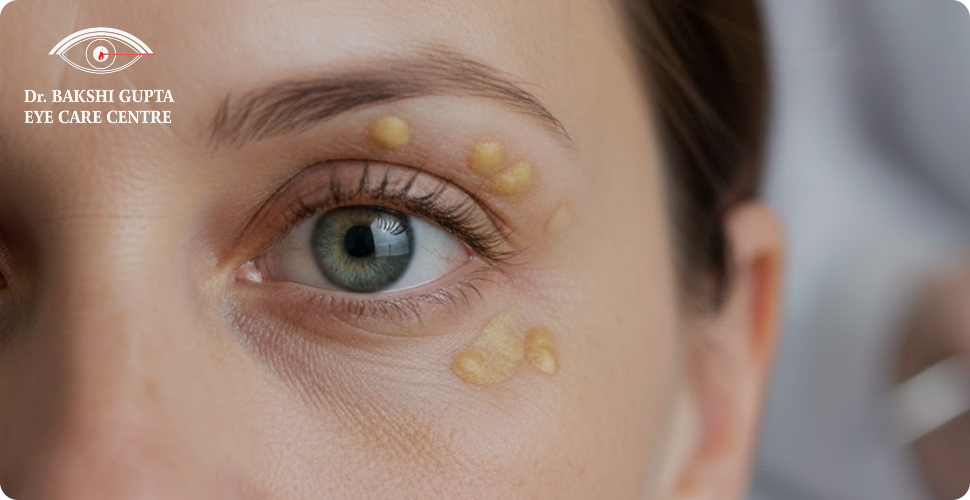
Xanthelasma is a cosmetic and medical concern that often appears as yellowish, cholesterol-rich plaques on the eyelids. Although it is painless and usually harmless, many people seek treatment because it affects facial appearance and may signal underlying health issues such as high cholesterol or metabolic disorders. While medical or surgical treatments can remove existing xanthelasma, recurrence is common if the root causes are not addressed. This is why long-term prevention depends heavily on dietary changes, lifestyle habits, and regular medical monitoring. Understanding Xanthelasma and Why It Recurs Xanthelasma palpebrarum is caused by deposits of lipids under the skin, usually around the eyes. Even after successful removal through laser, surgery, or chemical treatment, recurrence rates can range from 30% to 50%, especially if cholesterol levels remain uncontrolled. Key reasons xanthelasma returns include: Treating the visible lesion alone is not enough. Preventing recurrence requires managing internal metabolic health. The Role of Diet in Preventing Xanthelasma Recurrence Diet is one of the most powerful tools to control lipid levels and reduce fat deposition under the skin. 1. Focus on Heart-Healthy Foods A cholesterol-friendly diet helps reduce the buildup of lipids that cause xanthelasma. Include: These foods are high in fiber, which helps lower LDL cholesterol naturally. 2. Choose Healthy Fats, Avoid Harmful Ones Not all fats are bad, but the type of fat matters greatly. ✅ Healthy fats: ❌ Avoid or limit: Reducing unhealthy fats significantly lowers the chance of xanthelasma recurrence. 3. Limit Sugar and Refined Carbohydrates High sugar intake worsens insulin resistance and raises triglyceride levels, increasing the risk of lipid deposits. Avoid: Replace them with complex carbs and natural sweeteners in moderation. 4. Increase Antioxidant-Rich Foods Antioxidants help reduce inflammation and oxidative stress, which can contribute to lipid deposition. Add: Lifestyle Changes That Reduce Xanthelasma Recurrence Diet alone is not enough. Daily lifestyle habits play an equally important role. 1. Maintain a Healthy Body Weight Obesity is closely linked with high cholesterol and metabolic disorders. Losing even 5–10% of body weight can significantly improve lipid profiles and reduce recurrence risk. 2. Exercise Regularly Physical activity improves HDL cholesterol and lowers LDL cholesterol. Recommended activities: Aim for at least 150 minutes of moderate exercise per week. 3. Quit Smoking and Limit Alcohol Smoking damages blood vessels and worsens lipid metabolism. Alcohol, especially in excess, can raise triglyceride levels. For prevention: These changes benefit both eye health and cardiovascular health. 4. Get Quality Sleep and Manage Stress Chronic stress and poor sleep negatively affect hormone balance and cholesterol levels. Tips: Medical Monitoring: A Key Step in Prevention Even with the best diet and lifestyle, regular medical check-ups remain essential. 1. Monitor Cholesterol and Blood Sugar If you’ve had xanthelasma before, test your: Monitoring helps detect issues early and prevent recurrence. 2. Follow Prescribed Medications Strictly If your doctor has prescribed cholesterol-lowering medications such as statins, do not stop them without medical advice. These medications significantly reduce recurrence risk. A trusted xanthelasma treatment hospital will focus not only on removal but also on long-term medical management. Importance of Choosing the Right Specialist Xanthelasma forms near delicate eye structures, so treatment and follow-up must be handled carefully. Consulting an experienced eye specialist in Panchkula ensures: A specialist approach greatly reduces complications and recurrence rates. Post-Treatment Care Tips to Prevent Recurrence After treatment: Follow-up visits are critical to monitor healing and detect early signs of recurrence. Can Xanthelasma Be Completely Prevented? Xanthelasma cannot always be completely prevented, especially in genetically predisposed individuals. However, recurrence can be significantly delayed or minimized with: Early intervention improves long-term outcomes. When Should You See a Doctor? You should consult an eye doctor or visit a Xanthelasma treatment hospital if: Prompt evaluation prevents progression and complications. Final Thoughts Preventing xanthelasma recurrence requires a holistic approach. While medical treatment removes visible lesions, lasting results depend on managing internal health through diet, exercise, stress control, and regular medical care. By adopting heart-healthy dietary habits, maintaining an active lifestyle, and seeking guidance from a trusted eye specialist in Panchkula, you can significantly reduce the risk of recurrence and protect both your appearance and overall health.

Categories
Dr Bakshi Gupta Eye Care Centre

LASIK Eye Surgery Recovery Time and Post-Surgery Care

If you’re planning to undergo LASIK eye surgery, one of your biggest concerns is often the LASIK eye surgery recovery time, how long it takes to get clear vision, and what post-surgery care you need to follow. Because LASIK is one of the most widely performed vision correction procedures today, patients expect quick recovery—and yes, LASIK is known for its fast healing timeline. However, the results and comfort you experience after the surgery depend heavily on following proper aftercare. This blog explains everything you need to know about LASIK recovery, including healing stages, precautions, timelines, dos and don’ts, how to care for your eyes, and when to resume work, driving, screen time, and workouts.  What Is the Typical LASIK Recovery Time? The good news is that most patients experience significantly improved vision within 24 hours. Many even achieve near-perfect vision the same day or the next morning. However, complete healing happens gradually and can take up to 3–6 months, depending on the patient’s corneal health and adherence to aftercare instructions. Here’s a quick breakdown: While LASIK offers rapid results, the true benefits depend on consistent care and avoiding activities that strain or injure the eyes. The First 24 Hours After LASIK Surgery The initial 24 hours are the most critical to ensure smooth healing. You may experience: These symptoms are normal and usually resolve within a few hours. Your surgeon will give you: Follow the prescribed schedule strictly. Important Tips for the First 24 Hours This initial care sets the foundation for fast and safe recovery. LASIK Recovery Time: Day-by-Day Breakdown To help you understand what to expect, here’s a simple timeline. Day 1: Immediate Recovery Most people can resume everyday indoor activities by evening. Day 2–7: Early Healing Phase Avoid: Week 2–4: Active Healing If your job involves computers, follow the 20–20–20 rule:Every 20 minutes, look at something 20 feet away for 20 seconds. Month 1–3: Stabilisation Phase Month 3–6: Final Results By now, your eyes are fully healed. Any pregnancy, hormonal changes, or underlying conditions may slightly slow the healing timeline, but most achieve stable results by month six. Post-Surgery Care Tips for Faster Recovery 1. Avoid Rubbing Your Eyes Even mild rubbing can dislodge the corneal flap created during surgery. Always use a tissue if your eyes water. 2. Use Eye Drops Regularly Follow the schedule given by your surgeon. Eye drops prevent dryness, infection, and inflammation. 3. Keep Your Eyes Moist Dryness is the most common short-term side effect. Use lubricating artificial tears throughout the day. 4. Wear Protective Eyewear When stepping outdoors, use UV-protected sunglasses. Wear sleep shields at night for the first week. 5. Avoid Makeup Around the Eyes Particles from mascara, liner, or eyeshadow can irritate healing eyes. Avoid for at least 1–2 weeks. 6. Limit Screen Time Screens can intensify dryness and strain. Increase gradually over a week. 7. Sleep Well Rest promotes faster healing. Try to sleep for at least 7–8 hours the night after surgery. 8. Avoid Swimming & Gyms Pools contain chlorine, lakes contain bacteria, and gyms have dust—all harmful for healing eyes. 9. Watch for Unusual Symptoms Contact your doctor if you experience: Early intervention prevents complications. What Activities Can You Resume & When? Here’s a quick guide: Activity When It’s Safe Bathing (No face splash) Same day Face washing After 24–48 hours Screen time After 24 hours (with breaks) Driving 1–2 days (once cleared by doctor) Light exercise 1 week Swimming 1 month Makeup 1–2 weeks Travel by flight After 24 hours Heavy workouts 1 month This structured timeline helps you plan your post-surgery routine safely. Common Side Effects After LASIK Surgery LASIK is considered safe, but temporary side effects are normal: 1. Dry Eyes Happens due to temporary reduction in tear production. Artificial tears help. 2. Glare, Halos & Night Vision Issues Usually improves within weeks. 3. Light Sensitivity Wear UV-protected sunglasses outdoors. 4. Fluctuating Vision Vision sharpens gradually. These effects are part of the natural healing process and reduce with time. When to See an Eye Specialist If you’re considering LASIK, choose a trusted and experienced specialist. Many people considering LASIK Eye Surgery in Panchkula often search for reliable clinics and surgeons who offer advanced laser technology. A skilled eye specialist in Panchkula or your local area ensures accurate diagnosis, safer treatment, and smoother recovery. Types of Laser Eye Surgery  Although LASIK is the most popular, there are other procedures too—like the Different Types of Laser Eye Surgery used for vision correction. This helps patients compare options like PRK, SMILE, Contoura Vision, etc., helping them make informed decisions. LASIK Eye Surgery Recovery: 10 Pro Tips for the Best Results These tips ensure optimal healing and reduce risk of infection or irritation. Nutrition & Lifestyle Tips to Support Eye Healing 1. Hydration Drink 2–3 litres of water a day to support tear production. 2. Anti-Inflammatory Diet Include: 3. Avoid Smoking & Alcohol Both delay healing and increase dryness. How to Sleep After LASIK Proper sleeping position protects the corneal flap and accelerates healing. Who Recovers Faster? Healing speed depends on: Younger patients often recover faster, but older patients also achieve great results with proper care. FAQs 1. How long does it take for vision to fully stabilise after LASIK? Most patients see clearly within 24 hours, but full stabilisation can take 3–6 months depending on dryness, healing rate, and eye health. 2. Can I drive the next day after LASIK? Yes, many patients can drive within 24–48 hours, but only after their surgeon confirms vision clarity. 3. Is it normal to experience dry eyes after LASIK? Yes, dryness is common during the first few months. Using lubricating drops regularly helps reduce discomfort. 4. When can I resume gym workouts after LASIK? Light exercises can be resumed after a week, but heavy workouts and weightlifting should be avoided for at least a month. 5. Can LASIK results fade over time? In most cases, results remain stable. Rarely, age-related vision changes may occur, similar to non-LASIK patients.

Categories
Dr Bakshi Gupta Eye Care Centre

How AI & Robotics Advancing Modern Refractive Eye Surgery

The world of refractive eye surgery has evolved dramatically in the last decade. What began as standard LASIK procedures has now transformed into a new era powered by AI in eye surgery, robotic precision, and next-generation femtosecond laser technology. These innovations are redefining vision correction by offering higher accuracy, customized treatment plans, faster recovery, and significantly improved patient outcomes. For clinics like Gupta Eye & Dental Care in Panchkula, where advanced technology is already part of everyday practice, AI-driven innovation represents a major leap forward for delivering precise, safe, and efficient refractive procedures. Whether you’re considering LASIK, SMILE, PRK, or ICL implants, understanding how these technologies work can help you make better, informed decisions. What Is Refractive Eye Surgery? Refractive surgery corrects common vision problems, including: Traditional laser surgery reshaped the cornea using standardized laser profiles. Today, AI-powered diagnostics, robotic laser systems, and corneal mapping technology deliver unprecedented personalization for every patient. This shift leads to sharper vision, fewer side effects, and better long-term stability. How AI Is Transforming Modern Refractive Eye Surgery Artificial Intelligence is now involved in nearly every stage of refractive treatment—from screening to post-surgery monitoring. Here’s how AI is elevating accuracy, safety, and efficiency. 1. AI-Powered Diagnostics: The Foundation of Safer Surgery One of the biggest game changers is the use of AI in pre-operative screening. AI systems now: These advanced screening tools significantly reduce the risk of post-operative complications.For clinics, adopting AI-driven diagnostics provides more accurate results and ensures the safest refractive surgery decisions. 2. Personalized Laser Profiles Using Machine Learning One of the biggest advantages of AI is hyper-personalization. Machine learning models create customized laser eye surgery profiles based on: This ensures every patient gets a treatment tailored to their exact eye anatomy, resulting in: This is why AI-assisted LASIK surgery with AI often outperforms traditional refractive corrections. 3. Predictive AI Models Improve Surgical Outcomes AI doesn’t just assist; it predicts. Using historical data and machine learning, AI can forecast: Predictive analytics help both surgeons and patients understand the best possible approach. 4. Real-Time Monitoring with AI-guided Laser Systems During the procedure, AI ensures active safety. AI-assisted laser machines monitor: If the patient blinks or the eye shifts even microscopically, the robotic system adjusts within milliseconds. This results in: Today’s most advanced machines for LASIK, PRK, and SMILE use this technology consistently. Robotics: The Future of High-Precision Eye Surgery While AI handles analysis and data interpretation, robotics brings unmatched surgical accuracy. Robotic laser systems are transforming refractive eye surgery in four major ways: 1. Flap Creation & Corneal Incisions with Robotic Lasers Robotic-guided femtosecond lasers: Robotics allows for micron-level precision—surpassing human limitations. 2. SMILE Surgery: Robotic Vision Correction Innovation SMILE (Small Incision Lenticule Extraction) is one of the most advanced robotic eye surgeries available. Key features: SMILE laser eye surgery technology relies heavily on robotic execution and AI mapping for perfect lenticule creation. 3. Robotic Eye Tracking Enhances Laser Accuracy Modern refractive systems track the eye over 1,000 times per second. These robotic eye trackers detect: The laser only fires when alignment is perfect. This is essential for patients with anxiety, blinking issues, or involuntary movements. 4. Robotics in ICL Surgery In ICL (Implantable Collamer Lens) procedures, robotics aids in: This reduces the chance of lens rotation and improves long-term clarity. Benefits of AI & Robotics for Patients Here’s why more patients prefer AI-assisted refractive surgery: 1. Faster surgeries (5–10 minutes per eye) 2. Quicker recovery (often within 24 hours) 3. Higher precision and safety 4. Less dryness after surgery 5. Improved night vision outcomes 6. More people eligible for vision correction 7. Long-term stability with predictive AI models For patients searching for advanced refractive eye surgery in Panchkula, these technologies offer more peace of mind and superior results. Future Innovations: What’s Next for Refractive Surgery? The next decade will bring even more exciting advancements like: These breakthroughs will transform eye hospitals and clinics worldwide, including centers like Gupta Eye & Dental Care, known for adopting modern technology early. FAQs 1. Is AI used in refractive eye surgery? Yes. AI is used to analyze corneal data, personalize treatments, predict outcomes, and guide laser precision in real time. 2. Is robotic eye surgery safer than manual procedures? Absolutely. Robotic precision reduces human error and improves consistency, flap creation, and incision accuracy. 3. What is the best AI-assisted laser eye surgery? Procedures like AI-optimized LASIK, robotic SMILE, and AI-guided PRK offer excellent results depending on eye conditions. 4. How long is recovery after AI-assisted LASIK or SMILE? Most patients return to daily activities within 24 hours due to minimal tissue disruption and enhanced precision. 5. Where can I get advanced refractive eye surgery in Panchkula? Clinics like Gupta Eye & Dental Care offer state-of-the-art laser, AI-based diagnostics, and modern refractive treatments. Conclusion AI and robotic innovations are transforming refractive eye surgery by making treatments safer, faster, and far more precise. With AI-driven diagnostics, customized laser profiles, and robotic accuracy in LASIK and SMILE, patients enjoy clearer vision and quicker recovery. For anyone considering advanced refractive eye surgery in Panchkula, choosing a modern, technology-equipped clinic ensures the best possible results and long-term visual stability.

Categories
Dr Bakshi Gupta Eye Care Centre

Eye Itching and Irritation Treatment: Tips for Quick Relief

Eye discomfort can be extremely frustrating—especially when burning, redness, itching, or watering disrupts your daily routine. Whether you are dealing with seasonal allergies, someone else is experiencing dryness, or I need fast options for eye irritation treatment, knowing the right steps can bring almost immediate relief. This guide explains the best remedies, medicines, and prevention strategies so you can soothe your eyes safely and effectively. What Causes Eye Itching and Irritation? Before choosing an eye irritation remedy, it’s important to understand why the irritation occurs. Some of the most common triggers include: 1. Allergies Airborne allergens such as pollen, dust, pet dander, smoke, and mold can cause histamine reactions, resulting in itchy, watery, or swollen eyes. 2. Dry Eyes Dry indoor air, digital screens, contact lenses, or low tear production can make eyes feel gritty or burning. 3. Infections Conjunctivitis (pink eye), bacterial infections, and viral infections often lead to irritation and redness. 4. Environmental Factors Wind, pollution, strong sunlight, and chemical exposure from makeup or cleaning products can trigger discomfort. 5. Eye Strain Prolonged screen time causes digital eye strain, leading to dryness and irritation. Identifying the source is the first step toward choosing the right eye irritation treatment. Best Eye Itching and Irritation Treatment Options Below are proven treatment methods that work across different causes—from allergies to dryness to environmental triggers. 1. Cold Compress: A Quick & Natural Eye Irritation Remedy A cold compress is one of the simplest ways to reduce swelling, itching, and redness. How to do it: Why it works:Cold constricts blood vessels, calms inflammation, and soothes irritated nerve endings. 2. Artificial Tears for Dry & Irritated Eyes Over-the-counter artificial tears are one of the most widely recommended medicines for eye irritation, especially when dryness is the cause. Choose: Artificial tears help restore moisture, flush out irritants, and stabilise the tear film. 3. Antihistamine Drops for Allergy Eye Irritation Treatment If itching is due to allergies, antihistamine eye drops can provide strong relief within minutes. They work by blocking histamine responses, reducing itchiness, redness, and watering. Common types include: These are among the most effective allergy eye irritation treatment solutions for seasonal or environmental allergies. 4. Warm Compress for Eyelid & Tear Duct Issues A warm compress helps if irritation comes from: It loosens clogged oils and improves tear quality, preventing dryness and itching. 5. Saline Rinse to Wash Out Irritants A sterile saline rinse can flush out: This natural eye irritation remedy helps clean the eye surface without causing dryness or discomfort. 6. Avoid Rubbing Your Eyes Even though the urge to rub is strong, doing so can: Instead, use cold water splash or artificial tears when itching becomes unbearable. 7. Follow the 20-20-20 Rule for Screen Strain Digital screens reduce blinking frequency, causing dryness and irritation. Practice:Every 20 minutes, look 20 feet away for 20 seconds. This relaxes eye muscles and restores natural lubrication. 8. Hydration & Nutrition Support Eye Health Dehydration worsens dryness. Drink enough fluids and consume foods rich in: These nutrients support tear production and reduce irritation. 9. Switch to Hypoallergenic Makeup Products Old or cheap cosmetic products can cause severe irritation.Follow these tips: 10. Maintain Clean Eyelids to Prevent Repeated Irritation Bacterial buildup on eyelids can cause inflammation and itching. Daily cleansing with: This can prevent recurring discomfort and infection. When to Use Medicine for Eye Irritation Sometimes, home remedies aren’t enough. You may need over-the-counter or prescription medications depending on the cause. 1. Lubricating Eye Drops For dryness, digital strain, or environmental irritation. 2. Anti-allergic Antihistamine Drops For immediate itch-free relief from allergens. 3. Mast Cell Stabilizers For long-term allergy management. 4. Antibiotic Drops or Ointments Required for bacterial infections. 5. Steroid Eye Drops Used only when prescribed by an ophthalmologist for severe inflammation. If symptoms persist beyond 48 hours, always consult a specialist. For advanced care, many people choose top eye centres such as the best eye hospital Panchkula for an expert diagnosis. Top Allergy Eye Itching and Irritation Treatment Tips Allergy-related eye irritation can be extremely bothersome. Use the following strategies for fast relief: 1. Avoid Allergens Limit exposure to: 2. Keep Windows Closed During High Pollen Time Morning and evening pollen levels are usually the highest. 3. Use a HEPA Air Purifier It removes microscopic allergens that irritate sensitive eyes. 4. Shower and Change Clothes After Being Outdoors This prevents pollen from spreading to your pillow and irritating your eyes at night. 5. Use Cold Compresses Frequently Cold therapy works incredibly well for allergy-triggered itching. Best Eye Irritation Treatment for Contact Lens Wearers Contact lens wearers often experience discomfort from: Tips for relief: If irritation continues, stop wearing lenses until symptoms disappear. Home-Based Eye Itching and Irritation Treatment for Instant Comfort Here are safe and effective home solutions: 1. Rose Water Eye Rinse Rose water has mild anti-inflammatory properties, perfect for reducing redness and itching. 2. Aloe Vera Gel (Around Eyes Only) Aloe can soothe irritation but should never be put directly into the eyes. 3. Cold Cucumber Slices Hydrates and cools the eye area, easing itching instantly. 4. Humidifier Use Moisturises the air and decreases dryness-related irritation. 5. Stay Hydrated Dehydration often intensifies burning and irritation. These remedies work well in combination with medical treatments for a holistic eye irritation treatment method. How to Prevent Eye Irritation in the Future Prevention is the key to long-term comfort. 1. Reduce Screen Time Take frequent breaks to prevent dryness. 2. Wear Sunglasses Outdoors They protect from UV rays, dust, and wind. 3. Improve Indoor Air Quality Avoid smoke and use purifiers. 4. Stay Hygienic Wash your hands before touching your eyes. 5. Replace Old Cosmetics Expired makeup can cause infections or allergies. 6. Clean Your Bedding Often Pillowcases collect dust and allergens. 7. Manage Allergies Early Start antihistamines before peak allergy season. These small habits can significantly reduce episodes of itching and irritation. When to See a Doctor Seek professional help if you notice: Prompt treatment prevents complications and protects long-term vision. FAQs 1. What

Categories
Dr Bakshi Gupta Eye Care Centre

LASIK Eye Surgery: A Complete Guide for Beginners

If you wear glasses or contact lenses, you’ve probably wondered what life would be like with clear, sharp vision from the moment you wake up. Over the years, LASIK eye surgery has become one of the most trusted and effective ways to achieve long-term vision correction. But what exactly is LASIK, who is it for, and how does the procedure work? This complete beginner-friendly guide breaks down everything you need to know—step by step—so you feel informed, confident, and ready to make the right decision. Understanding LASIK: A Simple Explanation LASIK (Laser-Assisted in Situ Keratomileusis) is a type of laser vision correction that reshapes the cornea—the clear front part of your eye—to help light focus properly on the retina. When the cornea has the wrong shape, it leads to refractive errors such as: LASIK corrects these issues by changing the curvature of the cornea with a highly precise laser. The result? Clear, sharper vision without relying on glasses or contact lenses. How LASIK Eye Surgery Works: Step-by-Step Process If you’re considering LASIK eye surgery, understanding the procedure is essential. Here’s a simple overview of what happens before, during, and after the surgery. 1. Pre-Surgery Consultation Before anything else, you meet with an ophthalmologist for a detailed eye evaluation. This includes checking: This ensures your eyes are suitable for LASIK and helps the doctor customize your treatment. 2. Preparation on the Day of Surgery The procedure is quick—usually less than 20 minutes for both eyes. Before starting, your doctor will: You’ll remain awake, but the numbing drops prevent discomfort. 3. Creating the Corneal Flap A thin flap is created on the surface of your cornea using a microkeratome blade or a femtosecond laser. This flap is gently lifted to expose the underlying corneal tissue. 4. Laser Reshaping A cool, computer-guided excimer laser reshapes the cornea precisely based on your unique prescription. This step takes only seconds. You may hear clicking sounds from the laser—this is normal. 5. Repositioning the Flap Once reshaping is complete, the flap is placed back in its position where it naturally heals without stitches. 6. Recovery and Aftercare Most patients notice improved vision within 24–48 hours. Your doctor will recommend: LASIK has one of the fastest recovery times among eye procedures, making it highly convenient. Who Is the Best Candidate for LASIK? LASIK is designed to help adults who want to reduce or eliminate their dependence on glasses or contact lenses. You’re likely a good candidate if: People with certain conditions—such as thin corneas, autoimmune diseases, or severe refractive errors—may not qualify. In such cases, alternatives like PRK or SMILE may be suggested. Benefits of LASIK Eye Surgery LASIK eye surgery offers multiple benefits, which is why millions of people worldwide trust it for long-term vision enhancement. 1. Quick and Painless Procedure The entire surgery takes around 15–20 minutes. Most patients feel slight pressure, but no pain. 2. Fast Visual Recovery Many people return to work within 24–48 hours and often enjoy dramatic improvements in vision the next day. 3. Long-Lasting Results LASIK permanently reshapes your cornea. While natural aging may eventually affect vision, LASIK results typically last for years or even decades. 4. Eliminates Dependence on Glasses Whether you love outdoor sports, travelling, or working long hours, ditching glasses makes life more convenient and comfortable. 5. High Success Rate Modern LASIK technology has a success rate of more than 95%, with most patients achieving 20/20 or better vision. Risks and Side Effects: What Beginners Should Know Although LASIK is considered extremely safe, knowing the potential risks helps you make an informed decision. Possible side effects include: 1. Dry Eyes A temporary decrease in tear production is common after LASIK. Artificial tears help during recovery. 2. Glare or Halos at Night Some patients notice glare around lights, especially when driving at night. This usually improves within a few weeks. 3. Flap Complications (Rare) Improper healing or flap displacement is extremely rare with modern laser technology. 4. Under or Over-Correction Sometimes the desired correction may not be achieved on the first attempt. Enhancement surgery can fine-tune the results. 5. Regression A small number of patients may experience partial return of refractive error over time. Overall, LASIK is considered one of the safest elective surgeries, with extremely low complication rates—especially when performed by an experienced lasik eye surgeon. Types of LASIK and Modern Technologies Used Advanced technology has made LASIK more accurate and customizable than ever before. 1. Standard LASIK This is the traditional and widely practiced technique where the laser correction is based on your eyeglass prescription. 2. Custom LASIK (Wavefront LASIK) Custom LASIK uses specialized 3D mapping technology to customize the correction based on unique imperfections in your eye, offering sharper night vision and higher visual clarity. 3. Blade-Free (Femto) LASIK Instead of a microkeratome blade, a femtosecond laser is used to create the corneal flap. This increases safety and precision. 4. Contoura Vision LASIK One of the most advanced technologies, Contoura Vision enhances results by mapping up to 22,000 points on the cornea. Your surgeon will determine the best approach based on your corneal thickness, prescription, and lifestyle. LASIK Eye Surgery vs. Other Vision Correction Options There are several vision correction methods. Here’s how LASIK compares with some popular alternatives: PRK (Photorefractive Keratectomy) SMILE (Small Incision Lenticule Extraction) ICL (Implantable Collamer Lens) LASIK remains the most popular due to its balance of safety, speed, affordability, and long-term effectiveness. How to Prepare for Your LASIK Surgery Here’s what you should do before the surgery for the best outcome: Preparation ensures accurate measurements and smooth healing. Recovery Timeline: What to Expect After LASIK Understanding the recovery process helps you plan your schedule: Day 1 First Week First Month Three to Six Months Follow-ups are essential to track healing and ensure long-term success. Choosing the Right Hospital or Surgeon Selecting the right specialist is one of the most important steps in your LASIK journey. Look for: If you’re in the region, an eye hospital in Panchkula with a

Categories
Dr Bakshi Gupta Eye Care Centre

10 Different Types of Laser Eye Surgery: Which One Is Right for You?

If you’ve been researching types of laser eye surgery to correct your vision, you’re already on the right track. With so many advanced treatments available today—from LASIK to SMILE to Contoura Vision—it can feel overwhelming to decide which option is ideal for you. Whether you want freedom from glasses, someone you know is exploring refractive surgery, or they have been recommended a specialized technique, understanding each method clearly helps you make a confident decision. This comprehensive 2025 guide explains 10 different types of laser eye surgery, how they work, who they’re suitable for, and the advantages and disadvantages of each. By the end, you’ll know exactly which procedure aligns best with your eye condition, lifestyle, and long-term vision goals. Understanding Laser Eye Surgery: A Quick Overview Laser eye surgery refers to advanced medical procedures that reshape the cornea to correct refractive errors like nearsightedness (myopia), farsightedness (hyperopia), and astigmatism. The cornea’s shape determines how light bends into your eye, so modifying it improves clarity without needing glasses. The biggest advantage?Modern technologies allow ultra-precise corrections, faster recovery, and minimal discomfort. Before choosing from various types of laser eye surgery, your surgeon will examine: With this information, the surgeon recommends the option that delivers the safest and best visual outcome for you. 1. LASIK (Laser-Assisted In Situ Keratomileusis) LASIK is the world’s most popular refractive eye surgery. When people talk about laser vision correction, LASIK is usually the first option that comes to mind. How LASIK Works A femtosecond laser creates a thin corneal flap. Then, an excimer laser reshapes the underlying cornea to correct refractive errors. The flap is repositioned and heals naturally. Ideal For Advantages Disadvantages LASIK remains the go-to choice for millions because of its proven track record and fast recovery. 2. PRK (Photorefractive Keratectomy) PRK is one of the earliest types of laser eye surgery, still widely used for patients who don’t qualify for LASIK due to thin or irregular corneas. How PRK Works Instead of creating a flap, the surgeon removes the outer layer of the cornea (epithelium), reshapes the cornea using an excimer laser, and places a bandage lens for healing. Ideal For Advantages Disadvantages If you want excellent results but aren’t eligible for LASIK, PRK is a strong option. 3. SMILE (Small Incision Lenticule Extraction) SMILE is one of the most advanced and minimally invasive refractive surgeries available today. How SMILE Works A femtosecond laser creates a small, disc-shaped tissue inside the cornea (lenticule). The surgeon removes this through a tiny incision, reshaping the cornea internally. Ideal For Advantages Disadvantages SMILE is often recommended for individuals who want a safer alternative with less post-surgery dryness. 4. Contoura Vision LASIK (Topography-Guided LASIK) Contoura Vision is an advanced version of LASIK that uses eye-mapping technology to customize treatment precisely to your corneal topography. How It Works An ultra-detailed 3D map scans up to 22,000 points on your cornea. The laser corrects irregularities based on these measurements. Ideal For Advantages Disadvantages Many patients report better-than-20/20 vision with Contoura Vision. 5. Epi-LASIK (Epithelial Laser In Situ Keratomileusis) A variation of PRK, Epi-LASIK removes the epithelial layer using an epithelial separator instead of alcohol or a blade. How It Works The epithelial layer is separated and lifted, the cornea is reshaped, and the epithelium regenerates naturally. Ideal For Advantages Disadvantages Epi-LASIK is a safer option for individuals with delicate corneal structures. 6. LASEK (Laser Epithelial Keratomileusis) LASEK combines features of both PRK and LASIK. How LASEK Works A diluted alcohol solution loosens the epithelial layer, which is lifted as a thin flap. After laser reshaping, the flap is repositioned. Ideal For Advantages Disadvantages It remains a preferred option for patients requiring a no-flap surgery with a more conservative approach. 7. Wavefront-Guided LASIK Wavefront technology customizes your LASIK procedure based on how light travels through your eye. How It Works A special device measures optical imperfections called higher-order aberrations (HOAs). The laser adjusts the cornea to reduce these irregularities. Ideal For Advantages Disadvantages This is excellent for people who need superior night-driving clarity or work in low-light conditions. 8. Wavefront-Optimized LASIK Instead of measuring HOAs, this method preserves the natural shape of the cornea to avoid distortions. How It Works The laser works to maintain the prolate shape of the cornea, reducing spherical aberrations. Ideal For Advantages Disadvantages Wavefront-optimized LASIK remains one of the safest and most commonly used approaches worldwide. 9. ReLEx SMILE PRO (latest SMILE upgrade) This is the newest innovation in small-incision laser surgery, offering faster healing and greater precision. How It Works A next-gen femtosecond laser removes the lenticule even more gently and accurately than standard SMILE. Ideal For Advantages Disadvantages If you want cutting-edge laser eye surgery, SMILE PRO is among the best 2025 options. 10. PRESBYOND Laser Blended Vision (for 40+ age group) Unlike traditional types of laser eye surgery that correct distance vision, PRESBYOND focuses on both distance and near vision. How It Works The laser blends your depth of focus, creating a customized solution for presbyopia. Ideal For Advantages Disadvantages This is one of the best modern alternatives to monovision LASIK for age-related vision loss. How to Choose the Right Type of Laser Eye Surgery Choosing the ideal procedure depends on your individual eye health, lifestyle, and long-term vision goals. Here’s how you can narrow it down: 1. Corneal Thickness 2. Lifestyle 3. Dry Eyes 4. Age 5. Refractive Error 6. Eye Shape or Corneal Irregularities A detailed consultation with a refractive surgeon is essential for determining the safest option. Decision Factor Condition / Situation Recommended Laser Eye Surgery Types 1. Corneal Thickness Thick cornea LASIK, Contoura, Wavefront Thin cornea PRK, LASEK, Epi-LASIK 2. Lifestyle Athletes, military, high-impact activities SMILE, PRK Desk job, low-risk lifestyle LASIK, Contoura 3. Dry Eyes Severe dry eye SMILE Mild dryness Wavefront LASIK 4. Age Under 40 years LASIK, SMILE Above 40 years PRESBYOND 5. Refractive Error High myopia SMILE PRO, LASIK Astigmatism Contoura Vision, Wavefront 6. Eye Shape / Corneal Irregularity Irregular cornea Contoura Vision Higher-order

Categories
Dr Bakshi Gupta Eye Care Centre

Under Eye Puffiness: Top Causes & Treatment Explained

Under eye puffiness affects people of all ages, but as you explore the under eye puffiness causes, you’ll realize that everything from lifestyle habits to medical conditions can be responsible. Whether you wake up with swollen lids, someone you know deals with persistent puffiness, or they experience occasional swelling, the condition can be both frustrating and confusing. Understanding the reason for puffy eyes, identifying triggers, and finding the right cure for puffy eyes is essential if you want long-term relief. In this comprehensive guide, we’ll explore all major puffy eyes causes, including lifestyle factors, allergies, health issues, aging, and more—along with treatments, prevention tips, and when to see a doctor.  At Gupta Eye and Dental Clinic, an advanced eye clinic in Panchkula, specialists often evaluate individuals dealing with stubborn under-eye puffiness to identify accurate causes and provide effective care. What Is Under Eye Puffiness? Under eye puffiness refers to mild swelling or enlargement of the tissues beneath the eyes. Many people describe it as “bags under the eyes” or “tired-looking eyes.” Medically, it occurs when fluid accumulates in the periorbital tissues. The condition can be temporary, occasional, or chronic, depending on the underlying under eye puffiness causes. It may appear on both sides or just one side. Though usually harmless, puffiness can sometimes signal allergies, lifestyle issues, or underlying health concerns. While many attribute it solely to lack of sleep, the truth is far more complex—and often surprising. Why Under Eye Puffiness Causes Matters You cannot find the right cure for puffy under eyes unless you first understand what’s causing the swelling. Misdiagnosis leads to wrong treatment choices, making the puffiness worse or more persistent. That is why dermatologists and eye specialists always begin by identifying the puffy eyes causes before recommending treatment. The good news is that with the right knowledge and routine adjustments, most people can reduce puffiness significantly. Under Eye Puffiness Causes: A Detailed Explanation Below are the most common under eye puffiness causes, explained in depth to help you understand what may be driving your symptoms. 1. Lack of Sleep and Irregular Sleeping Patterns Sleep deprivation remains one of the top puffy eyes causes. When you don’t sleep enough, blood vessels under the eyes dilate, causing fluid retention. This makes the under-eye area appear swollen, dark, and puffy. How It Happens Solution Aim for 7–9 hours of quality sleep, maintain consistent sleep timings, and elevate your head to reduce fluid buildup. 2. Fluid Retention Due to Diet A high salt intake leads to water retention, a very common reason for puffy eyes, especially in the mornings. Foods That Cause Puffiness Solution Reduce sodium intake, increase hydration, and consume potassium-rich foods like bananas to balance fluids. 3. Allergies: One of the Most Common Puffy Eyes Causes Many people experience puffy eyes from allergies, especially seasonal allergies. Allergens trigger histamine release, which leads to inflammation, swelling, and watery eyes. Common Allergy Triggers Signs You Have Puffy Eyes Due to Allergies This category remains one of the most overlooked yet prominent under eye puffiness causes. 4. Aging and Loss of Skin Elasticity Aging is one of the inevitable under eye puffiness causes. As we grow older, tissues around the eyes weaken, collagen reduces, and fat shifts into the lower eyelids, causing puffiness or bags. Why Aging Causes Puffiness Solution Eye creams with retinol, peptides, hyaluronic acid, and vitamin C can help. But in advanced cases, cosmetic treatments may be more effective. 5. Genetic Predisposition Some individuals naturally have puffier under-eye areas due to genetics. If your parents have prominent eye bags, you may also experience early or persistent puffiness. Signs Genetics May Be the Cause While you cannot change genetics, lifestyle habits and cosmetic treatments can reduce the appearance significantly. 6. Medical Conditions That Cause Under Eye Puffiness Sometimes, under eye puffiness indicates underlying health issues. Understanding these under eye puffiness causes is essential because they may require medical care. Common Medical Causes If swelling is persistent or severe, consult a healthcare specialist. 7. Sinus Problems and Nasal Congestion Sinus congestion leads to blocked nasal passages, increasing pressure around the eyes and resulting in puffiness. Symptoms Steam inhalation, nasal sprays, and sinus care often help. 8. Hormonal Changes Hormonal fluctuations can cause fluid retention and inflammation, making puffiness more noticeable during menstruation, pregnancy, or menopause. Why Hormones Affect Under-Eye Area Women experiencing hormonal imbalance often notice more pronounced swelling. 9. Crying and Emotional Stress Crying increases blood flow to the eyes, causing tissue inflammation and puffiness.Stress also affects hormones, sleep quality, and hydration. Solution Cold compresses, hydration, and rest help reduce post-crying puffiness. 10. Dehydration and Poor Hydration Habits When the body lacks water, it retains fluids as a self-protective mechanism—often visible under the eyes. Solution Drink water consistently throughout the day; don’t wait until you feel thirsty. 11. Alcohol Consumption Alcohol dehydrates your body and causes inflammation, leading to noticeable puffiness. Limiting alcohol and hydrating afterward helps minimize swelling. 12. Eye Strain and Excessive Screen Time Prolonged screen use strains eye muscles and reduces blinking, causing dryness and puffy appearance. Solution 13. Sleeping Position Sleeping flat or on your stomach increases fluid accumulation around the eyes. Solution Sleep on your back with your head slightly elevated. 14. Irritating Skincare Products Harsh or incompatible skincare products may irritate the delicate under-eye area, causing swelling. Switch to gentle, fragrance-free products suitable for sensitive skin. Why You Might Have Puffy Under One Eye Some people experience puffy under one eye, which may happen due to: If the swelling stays longer, medical attention is advisable. Effective Treatment Options: How to Cure Puffy Eyes Safely Once you understand the under eye puffiness causes, you can choose the right treatment. Here are the most effective solutions. 1. Cold Compresses: Quick Relief and a Trusted Cure Cold temperatures constrict blood vessels and reduce inflammation, making this a widely used cure for puffy eyes. Options 2. Hydration & Diet Optimization Increasing daily water intake and reducing salt consumption helps naturally minimize fluid retention. This is

Categories
Dr Bakshi Gupta Eye Care Centre

Laser Cataract Surgery for Seniors: Advantages, Recovery, and Care Tips

For many older adults, vision clarity begins to decline due to cataracts, making daily tasks difficult. This is where laser cataract surgery for seniors becomes an advanced, safer, and more precise solution. Whether you’re a senior considering the procedure for yourself, a caregiver researching better options, or a family member wanting the best treatment for aging parents, understanding this modern technique helps you make confident decisions. Compared to traditional methods, laser cataract surgery offers improved accuracy, faster recovery, and more predictable visual outcomes. In this guide, you’ll discover how it works, its benefits, recovery expectations, risks, and essential pre- and post-care tips. What Is Laser Cataract Surgery? Laser cataract surgery is an advanced, bladeless technique that uses a femtosecond laser to perform crucial steps of cataract removal. Unlike manual surgery, where incisions are made with handheld tools, laser technology adds precision and consistency. Simple Definition: Laser cataract surgery uses computer-guided lasers to soften and remove the cloudy lens and replace it with an artificial intraocular lens (IOL). Why Seniors Prefer Laser Cataract Surgery Seniors often choose this option because: This combination of precision and comfort makes laser cataract surgery for seniors an appealing choice for clearer vision. How Does Laser Cataract Surgery Work? Understanding the process helps seniors and caregivers know what to expect. Step-by-Step Overview An advanced imaging system maps the eye’s surface and cataract’s location, ensuring personalized treatment. The femtosecond laser creates ultra-precise incisions for lens removal and IOL insertion. Instead of ultrasound alone, the laser softens and breaks the cataract into smaller pieces for easier removal. After the cataract is removed, a new artificial intraocular lens (IOL) is implanted to restore vision. The procedure typically takes 10–15 minutes per eye, and seniors usually go home the same day. Advantages of Laser Cataract Surgery for Seniors The primary advantage is improved accuracy, but seniors benefit from several other features as well. 1. Greater Surgical Precision The computer-guided laser creates incisions with micron-level accuracy, reducing risks associated with manual procedures. 2. Faster Visual Recovery Because the laser softens the cataract before removal, it results in less trauma to the eye. Seniors often experience clearer vision within a few days. 3. Reduced Complications Laser-based treatment minimizes the chance of infection, inflammation, and corneal swelling. 4. Improved Vision Quality Laser cataract surgery may improve visual outcomes for patients with: 5. Better Outcomes With Premium IOLs Seniors choosing multifocal or toric lenses gain even sharper focus for near and distance. Who Is a Good Candidate for Laser Cataract Surgery? A senior may be a suitable candidate if: Not suitable for: Seniors with severe eye infections, uncontrolled glaucoma, or extreme corneal issues may require an alternative approach. Laser Cataract Surgery for Seniors vs Traditional Cataract Surgery Feature Laser Cataract Surgery Traditional Cataract Surgery Precision High (laser-based) Moderate (manual) Astigmatism Correction Yes Limited Incisions Laser-created Handheld blade Recovery Faster Slightly longer Comfort Higher Standard Which Is Better for Seniors? Laser cataract surgery is typically preferred for seniors seeking quick recovery, fewer complications, and enhanced visual outcomes. Possible Risks of Laser Cataract Surgery Although safe, the procedure may carry risks such as: Choosing a skilled surgeon reduces most of these risks. How to Prepare for Laser Cataract Surgery Good preparation improves surgical outcomes. 1. Complete Eye Evaluation Your specialist will check your retina, cornea, lens, and optic nerve. 2. Discuss IOL Options Seniors should decide whether they want: 3. Follow Pre-Surgery Instructions This may include: Seniors should also inform their doctor about treatments for diabetes, blood pressure, or thyroid issues. What to Expect During Laser Cataract Surgery The patient remains awake with numbing drops applied to the eyes. Seniors may feel mild pressure but no pain. The laser performs the initial steps, and the surgeon removes the cataract and places the new lens. Duration: Approximately 10–20 minutes per eye. After Surgery: Most seniors go home within 30–60 minutes. Recovery After Laser Cataract Surgery for Seniors Recovery is usually smoother and faster than traditional cataract surgery. Immediate Recovery Timeline Timeframe What Seniors Typically Experience First 24 hours Mild blurriness, scratchy feeling 48 hours Noticeable vision improvement 1 week Clearer vision with minimal discomfort 4–6 weeks Full recovery, stable vision Common Symptoms During Recovery These symptoms usually resolve on their own. Essential Care Tips After Laser Cataract Surgery Here are practical care instructions seniors must follow: 1. Use Eye Drops as Prescribed Antibiotic and anti-inflammatory drops support healing and prevent infections. 2. Avoid Rubbing Your Eyes Rubbing may disturb the incision and new lens placement. 3. Wear Protective Eyewear Seniors should wear sunglasses outdoors and an eye shield during sleep. 4. Avoid Water Contact for a Few Days No swimming, no eye makeup, and no exposure to direct water pressure while bathing. 5. Limit Strenuous Activities Avoid: 6. Attend All Follow-Up Visits Regular check-ups ensure proper healing and clear vision progression. Why Seniors Should Consider Laser Cataract Surgery Laser cataract surgery for seniors offers a combination of safety, precision, and comfort. Aging eyes require extra care, and this modern method reduces the risk of complications while restoring clarity. Seniors who want sharper vision, faster recovery, and long-term comfort often choose this advanced option. Cost Considerations for Laser Cataract Surgery for Seniors Costs may vary depending on: Premium IOLs increase costs but also enhance visual results, especially for seniors seeking spectacle-independent life. Frequently Asked Questions (FAQs) 1. Is laser cataract surgery for seniors safe? Yes. It is one of the safest surgical options for senior eye care. The laser improves incision accuracy and reduces risks compared to manual surgery. 2. How long does recovery take after laser cataract surgery? Most seniors recover within 4–6 weeks, but many notice improved vision in just 48–72 hours. 3. Can seniors resume normal activities after the surgery? They can resume mild activities in 1–2 days, but should avoid strenuous tasks for at least 2 weeks. 4. Is laser cataract surgery painful? No. Numbing drops ensure a comfortable, pain-free procedure. 5. Who should not undergo laser cataract surgery? Seniors with corneal abnormalities,