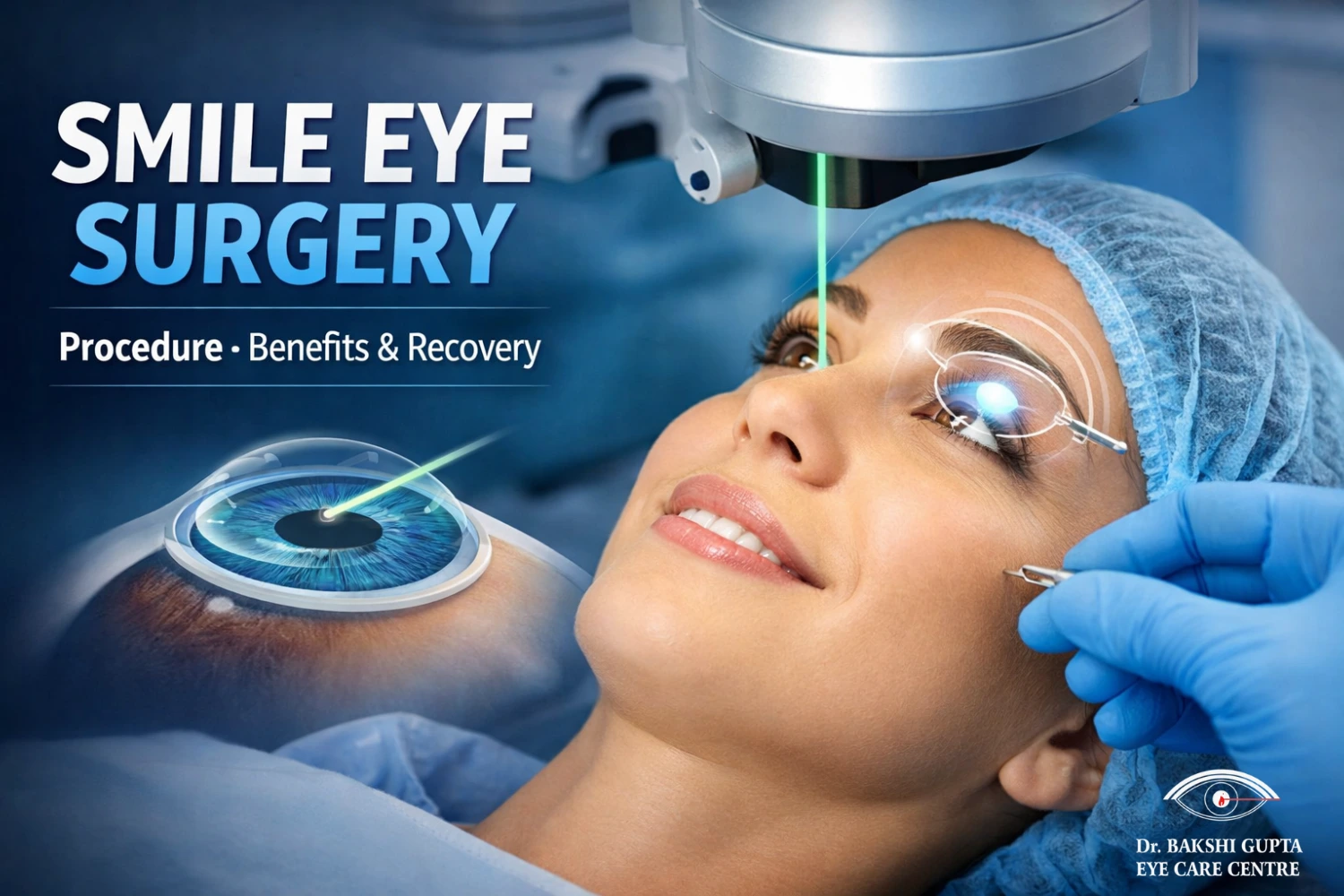
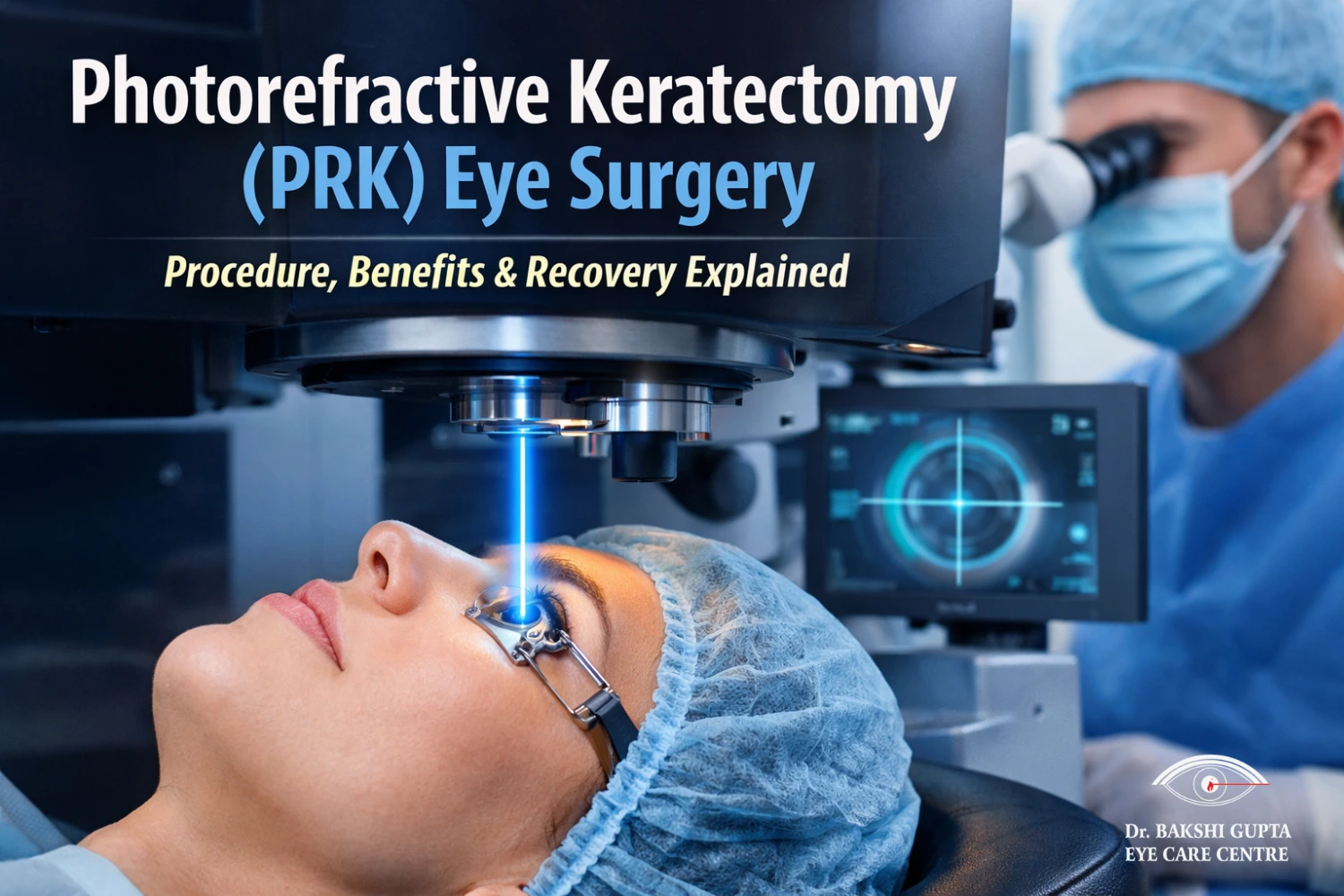
Photorefractive Keratectomy PRK eye surgery is one of the most trusted and time-tested laser vision correction procedures worldwide. Often recommended for patients who are not ideal candidates for LASIK, PRK eye surgery reshapes the cornea to correct refractive errors such as myopia, hyperopia, and astigmatism—without creating a corneal flap.
This in-depth guide explains Photorefractive Keratectomy PRK eye surgery in simple, practical terms: how the procedure works, who it’s best for, benefits and risks, recovery expectations, cost considerations, and how advanced PRK eye surgery has evolved. Whether you’re researching PRK laser eye surgery, comparing options, or preparing for consultation, this article is designed to answer your questions clearly and conversationally.
What Is Photorefractive Keratectomy (PRK) Eye Surgery?
Photorefractive Keratectomy is a type of laser vision correction that uses an excimer laser to reshape the cornea. Unlike LASIK, PRK does not involve cutting a corneal flap. Instead, the thin outer layer of the cornea (the epithelium) is gently removed, allowing the laser to directly reshape the corneal surface.
Because there’s no flap, PRK corrective eye surgery is often recommended for patients with thin corneas, dry eyes, or certain corneal irregularities. The epithelium naturally regenerates within a few days after surgery, restoring the eye’s protective surface.
Key takeaway: Photorefractive Keratectomy PRK eye surgery is safe, effective, and especially suitable for patients who need surface-based laser correction.
How Does PRK Eye Surgery Work?
During laser PRK eye surgery, the surgeon carefully removes the corneal epithelium using a specialized solution, brush, or laser. An excimer laser then reshapes the cornea based on your unique prescription. This precise reshaping helps light focus correctly on the retina, improving vision.
Once the laser treatment is complete, a soft bandage contact lens is placed over the eye to protect it while the epithelium heals. Vision gradually improves over the following days and weeks.
PRK Eye Surgery vs LASIK: What’s the Difference?
Patients often ask whether PRK laser eye surgery is better than LASIK eye surgery. The truth is, both are effective—but suitable for different eye conditions.
- PRK: No flap, surface treatment, longer recovery, ideal for thin corneas
- LASIK: Flap created, faster visual recovery, not ideal for everyone
PRK has been around longer than LASIK and remains a gold-standard option, especially in advanced PRK eye surgery cases where corneal stability is a priority.
Who Is an Ideal Candidate for PRK Corrective Eye Surgery?
You may be a good candidate for Photorefractive Keratectomy PRK eye surgery if you:
- Have thin or irregular corneas
- Suffer from dry eyes
- Have an active lifestyle (athletes, defense personnel)
- Are not eligible for LASIK
- Have stable vision for at least one year
PRK is also sometimes combined with other surface techniques in specialized conditions, including Keratoconus PRK laser eye surgery, under strict clinical protocols.
Types of PRK and Related Procedures
Photorefractive keratectomy PRK eye surgery is not a one-size-fits-all treatment. Depending on your eye condition, corneal structure, and vision goals, different types of PRK and related laser procedures may be recommended. Below are the most common and clinically proven options.
1. Standard PRK Eye Surgery
Standard PRK eye surgery is the most commonly performed form of PRK corrective eye surgery. It is designed to correct routine refractive errors such as myopia (nearsightedness), hyperopia (farsightedness), and astigmatism using surface ablation.
In this procedure, the corneal epithelium is gently removed, and an excimer laser reshapes the underlying corneal tissue to improve how light focuses on the retina. Standard PRK is ideal for patients with stable vision and healthy corneas who may not qualify for LASIK due to thin corneal thickness or dry eye concerns.
2. Advanced PRK Eye Surgery
Advanced PRK eye surgery uses next-generation laser technology to provide highly personalized vision correction. Instead of applying a standard correction pattern, wavefront-guided or topography-guided lasers map tiny imperfections in your eye and customize the treatment accordingly.
This approach enhances visual clarity, reduces glare and halos, and improves night vision outcomes. Advanced PRK eye surgery is especially beneficial for patients with higher prescriptions, irregular corneal surfaces, or previous refractive surgery complications.
3. PTK Eye Surgery
PTK eye surgery (Phototherapeutic Keratectomy) is a therapeutic laser procedure rather than a refractive one. Unlike PRK eye surgery, PTK does not aim to correct vision power. Instead, it treats corneal surface conditions such as scars, opacities, recurrent corneal erosion, and certain dystrophies.
PTK uses the same excimer laser technology to precisely remove damaged corneal tissue, helping restore corneal smoothness and improve visual quality. In some cases, PTK may be combined with PRK laser eye surgery if refractive correction is also needed.
4. Keratoconus PRK Laser Eye Surgery
Keratoconus PRK laser eye surgery is performed only in carefully selected patients with mild and stable keratoconus. This specialized approach is typically combined with corneal collagen cross-linking to strengthen the cornea and prevent further progression of the condition.
The goal is not complete vision correction but meaningful visual improvement and enhanced corneal stability. When performed by experienced surgeons using strict protocols, keratoconus PRK laser eye surgery can reduce dependence on glasses or contact lenses while preserving long-term eye health.
Step-by-Step PRK Laser Eye Surgery Procedure
1. Pre-operative assessment
Before photorefractive keratectomy PRK eye surgery, a detailed eye evaluation is performed. This includes measuring corneal thickness, mapping corneal topography, checking pupil size, and confirming vision stability. These tests ensure that PRK eye surgery is safe, accurate, and customized to your eyes.
2. Numbing drops applied
On the day of PRK laser eye surgery, anesthetic eye drops are administered to completely numb the eyes. This ensures you remain comfortable throughout the procedure, with no pain during the laser treatment.
3. Epithelium removal
The thin outer layer of the cornea, called the epithelium, is gently removed using a specialized solution or instrument. Since PRK is a surface-based procedure, no corneal flap is created, making prk corrective eye surgery ideal for patients with thin corneas.
4. Laser reshaping
An advanced excimer laser precisely reshapes the cornea to correct refractive errors such as myopia, hyperopia, or astigmatism. The laser treatment usually takes only a few seconds per eye, guided by your personalized vision data.
5. Bandage lens placement
After laser reshaping, a soft bandage contact lens is placed on the eye. This protective lens promotes healing, reduces discomfort, and allows the epithelium to regenerate naturally over the next few days.
6. Post-operative medication and care
Antibiotic, anti-inflammatory, and lubricating eye drops are prescribed to prevent infection, reduce inflammation, and support healing. Patients are also advised to avoid eye rubbing and follow protective care instructions closely.
7. Procedure duration
The entire PRK laser eye surgery procedure typically takes about 10–15 minutes per eye, making it a quick outpatient treatment with long-term vision benefits.
Benefits of Photorefractive Keratectomy PRK Eye Surgery
- No corneal flap (lower risk of flap complications)
- Ideal for thin corneas
- Long-term stable vision outcomes
- Suitable for high-impact lifestyles
- Proven safety record over decades
For many patients, photorefractive keratectomy PRK eye surgery delivers visual clarity comparable to LASIK—without compromising corneal strength.
Risks and Side Effects of PRK Eye Surgery
While PRK is safe, temporary side effects may include:
- Light sensitivity
- Mild to moderate discomfort during healing
- Blurry vision in early days
- Dry eyes (temporary)
Serious complications are rare when surgery is performed by an experienced surgeon.
PRK Eye Surgery Recovery: What to Expect
Recovery after PRK eye surgery is gradual:
- Days 1–3: Discomfort, tearing, light sensitivity
- Days 4–7: Epithelium heals, bandage lens removed
- Weeks 2–4: Vision improves steadily
- 1–3 months: Vision stabilizes
- 3–6 months: Final visual outcome achieved
Following post-operative instructions is key to optimal recovery.
PRK Eye Surgery in Special Conditions
1. PRK for Thin Corneas
PRK is often the first choice where LASIK is unsafe.
2. Keratoconus PRK Laser Eye Surgery
Performed cautiously and usually combined with cross-linking.
3. PTK Eye Surgery Applications
Useful for corneal scars and surface disorders rather than vision correction.
Choosing the Right Clinic for PRK Eye Surgery
Selecting the right provider matters. Look for:
- Advanced diagnostic tools
- Experienced refractive surgeons
- Transparent counselling
- Post-surgery support
Gupta Eye Clinic emphasizes personalized evaluation and modern laser platforms, helping patients make informed decisions. If you’re researching different laser surgery types, ensure the clinic explains why PRK is recommended specifically for your eyes. For patients searching for a trusted eye hospital in Panchkula, experience and technology should be top priorities.
Long-Term Results of PRK Laser Eye Surgery
Studies show that Photorefractive Keratectomy delivers excellent long-term visual stability. Most patients achieve 20/20 or better vision, with results lasting for years, provided natural age-related changes are considered.
FAQs:
1. Is Photorefractive Keratectomy PRK eye surgery painful?
Mild to moderate discomfort is common for the first 2–3 days, but it is well controlled with prescribed medications and usually subsides as healing begins.
2. How long does PRK eye surgery recovery take?
Basic functional vision typically returns within 1–2 weeks, while full visual stabilization may take up to 3 months.
3. Is PRK safer than LASIK?
Yes, PRK avoids flap-related complications, making it a safer option for patients with thin corneas, dry eyes, or higher physical activity levels.
4. Can both eyes be treated together with PRK eye surgery?
Yes, PRK eye surgery is commonly performed on both eyes during the same session for patient convenience and balanced recovery.
5. What is the difference between PRK and PTK eye surgery?
PRK corrects refractive errors like myopia and astigmatism, while PTK eye surgery treats corneal surface problems such as scars or opacities.
6. Is keratoconus PRK laser eye surgery safe?
Keratoconus PRK laser eye surgery is safe only in carefully selected cases and is usually combined with corneal cross-linking for stability.
7. What is the average PRK eye surgery cost?
PRK eye surgery cost varies based on technology used, surgeon experience, and clinic location. A consultation gives the most accurate estimate.
8. Who is not suitable for PRK corrective eye surgery?
Patients with unstable vision, severe corneal disease, active eye infections, or certain autoimmune conditions may not be suitable candidates.
9. How long do PRK eye surgery results last?
Results from photorefractive keratectomy PRK eye surgery are long-lasting and often permanent, though natural age-related vision changes may still occur.
10. When can I return to work after PRK laser eye surgery?
Most patients return to desk work within 5–7 days, while jobs requiring sharp vision or outdoor exposure may need additional recovery time.
Final Thoughts
Photorefractive Keratectomy PRK eye surgery remains a highly effective, time-tested solution for patients seeking freedom from glasses and contact lenses. With advancements in advanced PRK eye surgery, personalized laser profiles, and improved recovery protocols, PRK continues to be a reliable choice for safe, stable vision correction.
If you’re considering PRK laser eye surgery, a comprehensive consultation with an experienced eye surgeon is the best next step to determine whether PRK is right for you.