Farsightedness, also known as hyperopia, is one of the most common vision conditions worldwide—and its prevalence continues to rise in 2026 due to lifestyle, genetics, and environmental factors. If you’ve ever struggled to read small text up close but see distant objects clearly, understanding the cause of farsightedness is the first step toward better eye health.
In this in-depth guide, we’ll clearly explain what are the causes of farsightedness, how modern habits affect vision, and why early awareness matters. Whether you are a student, professional, or parent, this article answers the most searched questions around causes of far sightedness, long sighted causes, and the reason for farsightedness—in simple, practical language.
Understanding Farsightedness Before Exploring Its Causes
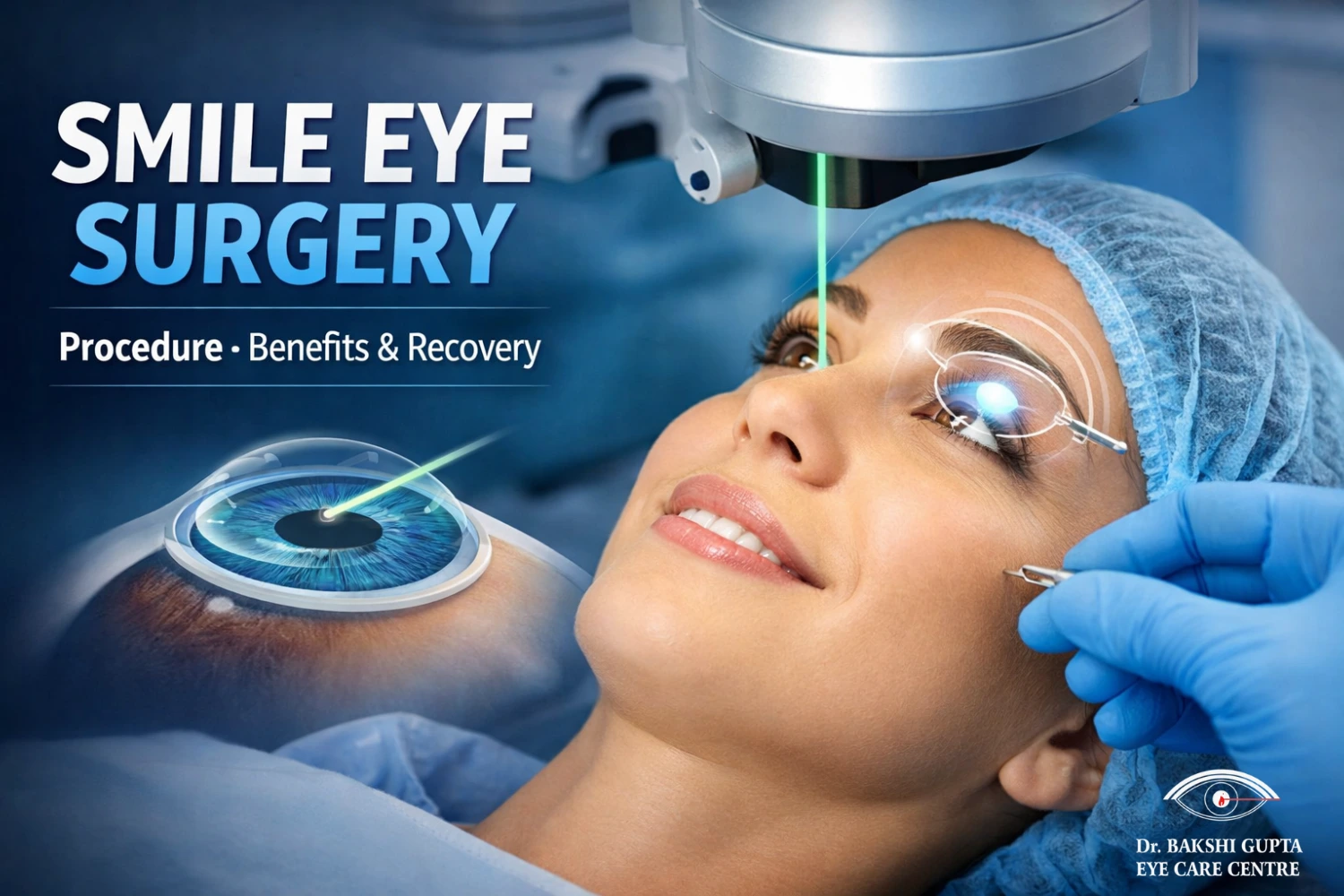
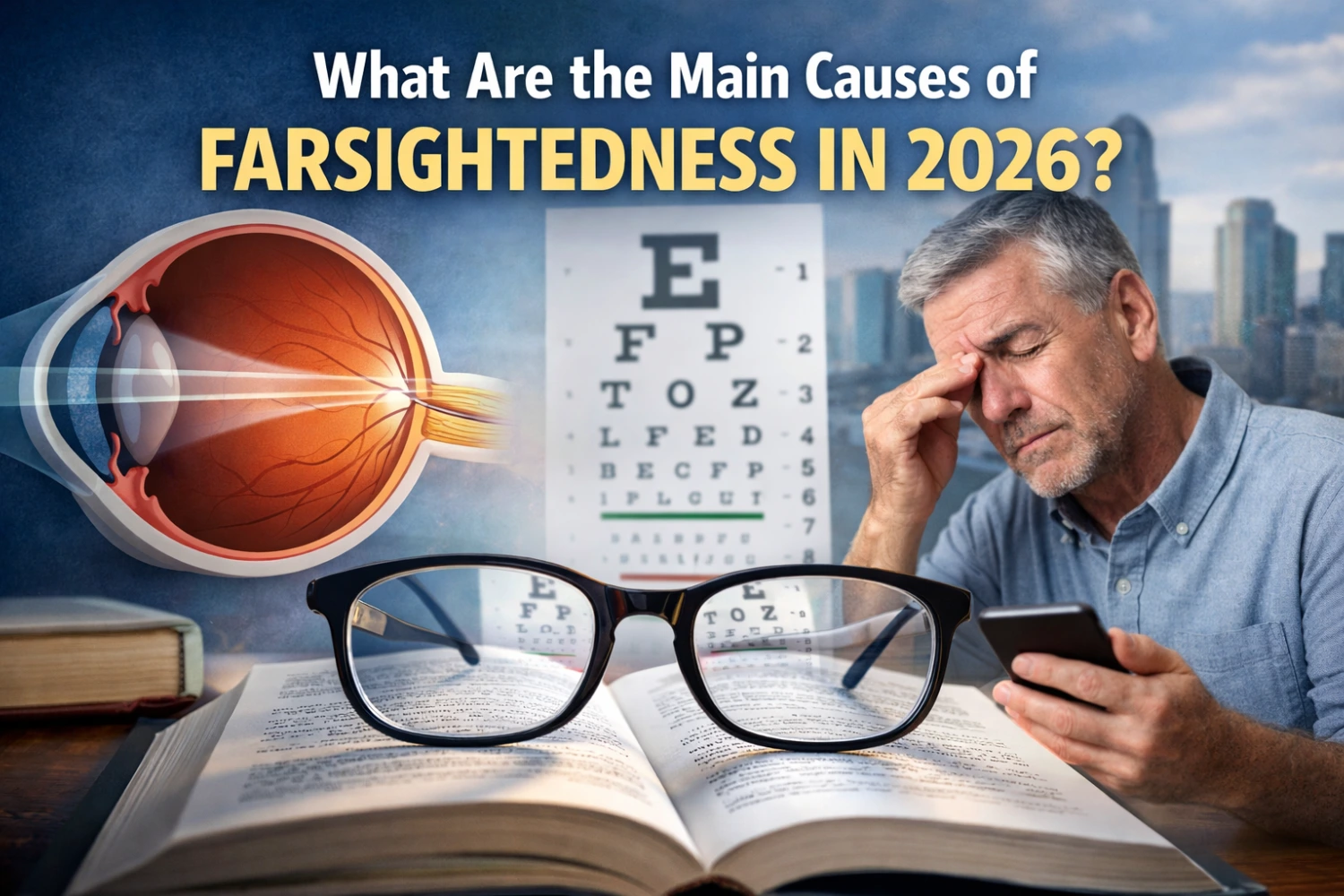
Farsightedness occurs when light entering the eye focuses behind the retina instead of directly on it. This makes nearby objects appear blurry, while distant objects remain clearer—at least in mild cases. Before diving into the detailed cause of farsightedness, it’s important to know that this condition can affect both children and adults and may worsen over time if left uncorrected, often leading some patients to consider corrective options such as glasses, contact lenses, or eye surgery for farsightedness.
Primary Cause of Farsightedness: Shorter Eyeball Length
The most common cause of farsightedness is a shorter-than-normal eyeball.
How This Causes Vision Problems
When the eyeball is too short:
- Light rays enter the eye correctly
- But focus behind the retina, not on it
- The brain receives a blurred image for close objects
This structural issue is one of the leading long sighted causes worldwide and is usually present from birth.
Genetic Factors: A Major Reason for Farsightedness
Genetics play a significant role in the cause of farsightedness.
Why Family History Matters
If one or both parents are farsighted:
- The child has a higher risk of developing hyperopia
- Eye shape and corneal curvature are often inherited
- Symptoms may appear early or worsen with age
Genetic inheritance remains one of the strongest causes of far sightedness, especially in children.
Corneal Shape Abnormalities and Farsightedness
Another important reason for farsightedness lies in the cornea.
What Happens When the Cornea Is Too Flat?
A flatter cornea:
- Bends light insufficiently
- Pushes the focal point behind the retina
- Leads to difficulty focusing on near objects
Corneal irregularities are increasingly recognized as key causes of farsightedness, particularly in adults.
Lens Power Issues: An Overlooked Cause of Farsightedness
The eye’s natural lens plays a vital role in focusing. When it doesn’t bend light enough, farsightedness can develop.
Lens-Related Long Sighted Causes
- Reduced refractive power
- Poor accommodation ability
- Age-related stiffness
These lens issues contribute significantly to the cause of farsightedness, especially after age 40.
Age-Related Changes: Why Farsightedness Increases Over Time
As we age, our eyes lose flexibility—a major reason for farsightedness in adults.
1. Presbyopia vs Farsightedness
While presbyopia is age-related near-vision loss, it often overlaps with farsightedness, making symptoms worse.
Age-related decline remains one of the fastest-growing causes of far sightedness in 2026.
Childhood Development Issues and Early Farsightedness
Many children are born mildly farsighted, but most outgrow it as the eye develops.
When Development Causes Vision Issues
- Incomplete eye growth
- Delayed axial elongation
- Genetic predisposition
If the eye doesn’t grow properly, this becomes a permanent cause of farsightedness requiring correction.
Eye Muscle Imbalance and Farsightedness
Sometimes, farsightedness is linked to how eye muscles work together.
How Muscle Coordination Affects Vision
- Extra effort to focus on near objects
- Eye strain and headaches
- Blurry close-up vision
Muscle strain is an indirect but impactful reason for farsightedness, especially in children.
Digital Lifestyle and Modern Vision Stress (2026 Reality)
In 2026, lifestyle factors are contributing more than ever to vision problems.
How Screens Contribute to Long Sighted Causes
- Prolonged near-focus strain
- Reduced blinking
- Eye fatigue
While screens don’t directly cause farsightedness, they exacerbate existing causes of farsightedness and make symptoms more noticeable.
Environmental and Nutritional Factors
Though less common, certain deficiencies and environmental conditions may influence eye development.
Supporting Eye Health
- Poor prenatal nutrition
- Lack of vitamin A
- Chronic eye strain
These factors may worsen the cause of farsightedness over time.
Medical Conditions Linked to Farsightedness
Some health conditions can increase the risk.
Related Conditions
- Diabetes-related lens changes
- Eye trauma
- Post-surgical eye changes
These are secondary but clinically relevant causes of far sightedness.
Symptoms That Point to the Cause of Farsightedness
Recognizing symptoms early helps identify the underlying cause.
Common Signs
- Blurry near vision
- Eye strain
- Headaches after reading
- Squinting
These symptoms often indicate deeper long sighted causes that need professional evaluation.
Why Identifying the Cause of Farsightedness Matters
Understanding the reason for farsightedness helps in:
- Choosing the right correction
- Preventing complications
- Improving quality of life
Early diagnosis is essential for long-term eye health.
Diagnosis: How Eye Doctors Identify the Causes of Farsightedness
A comprehensive eye exam includes:
- Refraction testing
- Eye length measurement
- Corneal mapping
These tests pinpoint the exact cause of farsightedness accurately.
Treatment Depends on the Cause of Farsightedness
Treatment varies based on severity and underlying factors.
Common Options
- Prescription glasses
- Contact lenses
- Refractive surgery
- Vision therapy
Correcting the root cause of farsightedness leads to better, lasting results.
FAQs:
1. What is the main cause of farsightedness?
The primary cause of farsightedness is a shorter eyeball that causes light to focus behind the retina.
2. Are the causes of far sightedness genetic?
Yes, genetics play a major role and are one of the most common long sighted causes.
3. Can lifestyle habits be a reason for farsightedness?
Lifestyle habits don’t directly cause it but can worsen existing farsightedness.
4. Do children outgrow farsightedness?
Some do, but others may retain it if eye growth remains incomplete.
5. Is farsightedness preventable?
Structural causes can’t be prevented, but early detection reduces complications.
Final Takeaway
In 2026, farsightedness is influenced by a combination of genetics, eye structure, aging, and modern lifestyle habits. Understanding the cause of farsightedness empowers individuals to seek timely care, choose the right correction, and protect long-term vision.