
If you wear glasses or contact lenses, you’ve probably wondered what life would be like with clear, sharp vision from the moment you wake up. Over the years, LASIK eye surgery has become one of the most trusted and effective ways to achieve long-term vision correction. But what exactly is LASIK, who is it for, and how does the procedure work? This complete beginner-friendly guide breaks down everything you need to know—step by step—so you feel informed, confident, and ready to make the right decision.
Understanding LASIK: A Simple Explanation
LASIK (Laser-Assisted in Situ Keratomileusis) is a type of laser vision correction that reshapes the cornea—the clear front part of your eye—to help light focus properly on the retina. When the cornea has the wrong shape, it leads to refractive errors such as:
- Myopia (nearsightedness) – difficulty seeing distant objects
- Hyperopia (farsightedness) – difficulty seeing nearby objects
- Astigmatism – blurry vision caused by an irregular corneal shape
LASIK corrects these issues by changing the curvature of the cornea with a highly precise laser. The result? Clear, sharper vision without relying on glasses or contact lenses.
How LASIK Eye Surgery Works: Step-by-Step Process
If you’re considering LASIK eye surgery, understanding the procedure is essential. Here’s a simple overview of what happens before, during, and after the surgery.
1. Pre-Surgery Consultation
Before anything else, you meet with an ophthalmologist for a detailed eye evaluation. This includes checking:
- Corneal thickness
- Pupil size
- Vision prescription stability
- Tear film quality (for dry eyes)
- Corneal mapping
This ensures your eyes are suitable for LASIK and helps the doctor customize your treatment.
2. Preparation on the Day of Surgery
The procedure is quick—usually less than 20 minutes for both eyes. Before starting, your doctor will:
- Apply numbing eye drops
- Clean the area around your eyes
- Use a device to keep your eyelids open
You’ll remain awake, but the numbing drops prevent discomfort.
3. Creating the Corneal Flap
A thin flap is created on the surface of your cornea using a microkeratome blade or a femtosecond laser. This flap is gently lifted to expose the underlying corneal tissue.
4. Laser Reshaping
A cool, computer-guided excimer laser reshapes the cornea precisely based on your unique prescription. This step takes only seconds. You may hear clicking sounds from the laser—this is normal.
5. Repositioning the Flap
Once reshaping is complete, the flap is placed back in its position where it naturally heals without stitches.
6. Recovery and Aftercare
Most patients notice improved vision within 24–48 hours. Your doctor will recommend:
- Eye drops to prevent dryness or infection
- Avoiding rubbing your eyes
- Wearing protective shields while sleeping
- Limiting screen time for a few days
LASIK has one of the fastest recovery times among eye procedures, making it highly convenient.
Who Is the Best Candidate for LASIK?
LASIK is designed to help adults who want to reduce or eliminate their dependence on glasses or contact lenses. You’re likely a good candidate if:
- You’re 18 years or older
- Your vision prescription has been stable for at least a year
- Your cornea is thick enough for a flap
- You do not have severe dry eyes
- You’re not pregnant or breastfeeding
- You have no active eye infections or diseases
People with certain conditions—such as thin corneas, autoimmune diseases, or severe refractive errors—may not qualify. In such cases, alternatives like PRK or SMILE may be suggested.
Benefits of LASIK Eye Surgery
LASIK eye surgery offers multiple benefits, which is why millions of people worldwide trust it for long-term vision enhancement.
1. Quick and Painless Procedure
The entire surgery takes around 15–20 minutes. Most patients feel slight pressure, but no pain.
2. Fast Visual Recovery
Many people return to work within 24–48 hours and often enjoy dramatic improvements in vision the next day.
3. Long-Lasting Results
LASIK permanently reshapes your cornea. While natural aging may eventually affect vision, LASIK results typically last for years or even decades.
4. Eliminates Dependence on Glasses
Whether you love outdoor sports, travelling, or working long hours, ditching glasses makes life more convenient and comfortable.
5. High Success Rate
Modern LASIK technology has a success rate of more than 95%, with most patients achieving 20/20 or better vision.
Risks and Side Effects: What Beginners Should Know
Although LASIK is considered extremely safe, knowing the potential risks helps you make an informed decision. Possible side effects include:
1. Dry Eyes
A temporary decrease in tear production is common after LASIK. Artificial tears help during recovery.
2. Glare or Halos at Night
Some patients notice glare around lights, especially when driving at night. This usually improves within a few weeks.
3. Flap Complications (Rare)
Improper healing or flap displacement is extremely rare with modern laser technology.
4. Under or Over-Correction
Sometimes the desired correction may not be achieved on the first attempt. Enhancement surgery can fine-tune the results.
5. Regression
A small number of patients may experience partial return of refractive error over time.
Overall, LASIK is considered one of the safest elective surgeries, with extremely low complication rates—especially when performed by an experienced lasik eye surgeon.
Types of LASIK and Modern Technologies Used
Advanced technology has made LASIK more accurate and customizable than ever before.
1. Standard LASIK
This is the traditional and widely practiced technique where the laser correction is based on your eyeglass prescription.
2. Custom LASIK (Wavefront LASIK)
Custom LASIK uses specialized 3D mapping technology to customize the correction based on unique imperfections in your eye, offering sharper night vision and higher visual clarity.
3. Blade-Free (Femto) LASIK
Instead of a microkeratome blade, a femtosecond laser is used to create the corneal flap. This increases safety and precision.
4. Contoura Vision LASIK
One of the most advanced technologies, Contoura Vision enhances results by mapping up to 22,000 points on the cornea.
Your surgeon will determine the best approach based on your corneal thickness, prescription, and lifestyle.
LASIK Eye Surgery vs. Other Vision Correction Options
There are several vision correction methods. Here’s how LASIK compares with some popular alternatives:
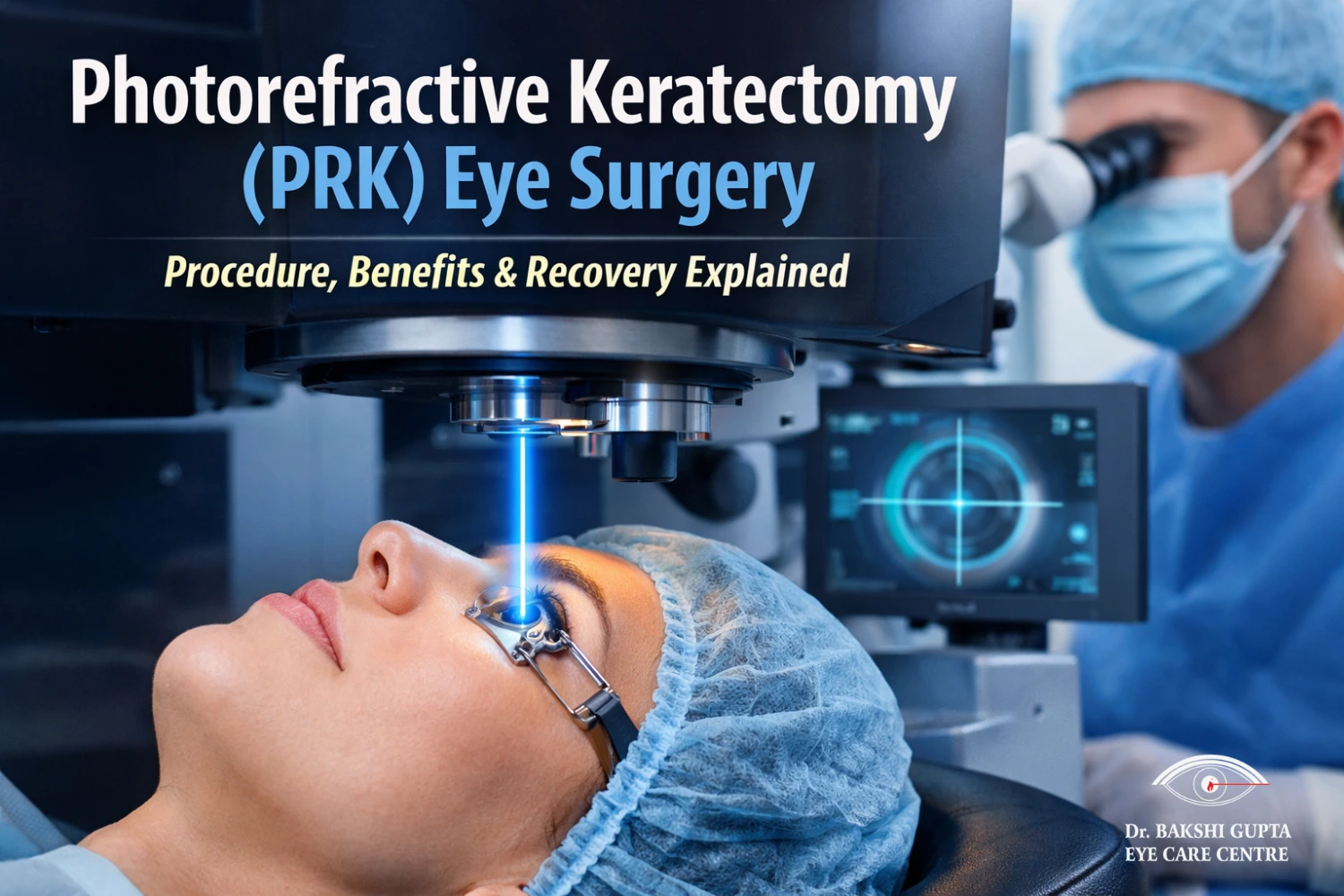
PRK (Photorefractive Keratectomy)
- No corneal flap is created
- Better for people with thin corneas
- Longer recovery time compared to LASIK
SMILE (Small Incision Lenticule Extraction)
- Minimally invasive
- Ideal for high myopia
- Slightly slower visual recovery than LASIK
ICL (Implantable Collamer Lens)
- A permanent lens is placed inside the eye
- Suitable for very high refractive errors
- More expensive and invasive
LASIK remains the most popular due to its balance of safety, speed, affordability, and long-term effectiveness.
How to Prepare for Your LASIK Surgery
Here’s what you should do before the surgery for the best outcome:
- Stop wearing contact lenses a week before evaluation (hard lenses may require more time).
- Avoid eye makeup on the day of surgery.
- Arrange transportation, since you should not drive right after the procedure.
- Follow all pre-surgery instructions provided by your doctor.
Preparation ensures accurate measurements and smooth healing.
Recovery Timeline: What to Expect After LASIK
Understanding the recovery process helps you plan your schedule:
Day 1
- Blurry vision is normal
- Mild discomfort or tearing
- Rest is recommended
First Week
- Vision becomes significantly clearer
- Avoid swimming, steam, and heavy workouts
First Month
- Night glare and halos reduce
- Most people resume full activities
Three to Six Months
- Vision stabilizes completely
Follow-ups are essential to track healing and ensure long-term success.
Choosing the Right Hospital or Surgeon
Selecting the right specialist is one of the most important steps in your LASIK journey. Look for:
- A clinic with advanced diagnostic technology
- Board-certified ophthalmologists
- Transparent pricing
- Positive patient reviews
- Post-op care availability
If you’re in the region, an eye hospital in Panchkula with a strong reputation can be an excellent place to begin your consultation.
Frequently Asked Questions (AEO-Optimized)
1. Is LASIK painful?
No. You may feel slight pressure, but the procedure is painless due to numbing eye drops.
2. How long does LASIK eye surgery take?
The surgery takes about 15–20 minutes for both eyes.
3. Is LASIK permanent?
Yes, the corneal changes are permanent, but aging or eye conditions may affect vision later.
4. Can LASIK fix astigmatism?
Absolutely. LASIK can successfully correct myopia, hyperopia, and astigmatism.
5. How soon can I return to work?
Most people return within 1–2 days after surgery.
6. Is LASIK safe?
LASIK is one of the safest and most researched procedures with high success rates.
7. What are the risks of LASIK?
Temporary dryness, glare, or under-correction may occur but usually resolve quickly.
Conclusion
LASIK eye surgery is a reliable, safe, and life-changing procedure for anyone wanting freedom from glasses or contact lenses. With fast recovery, long-lasting results, and advanced technology supporting precision, it’s no surprise millions of people have chosen LASIK worldwide.
Whether you’re just beginning your research or seriously considering the procedure, understanding the basics—how LASIK works, its benefits, risks, and recovery timeline—helps you take the first step with confidence. When performed by an expert and supported by the right medical facility, LASIK can offer clearer vision and a better quality of life for years to come.