Gupta Eye and Dental Care

Categories
Eye Hospital In Panchkula

PRK Eye Surgery: Procedure, Benefits, and Recovery Explained

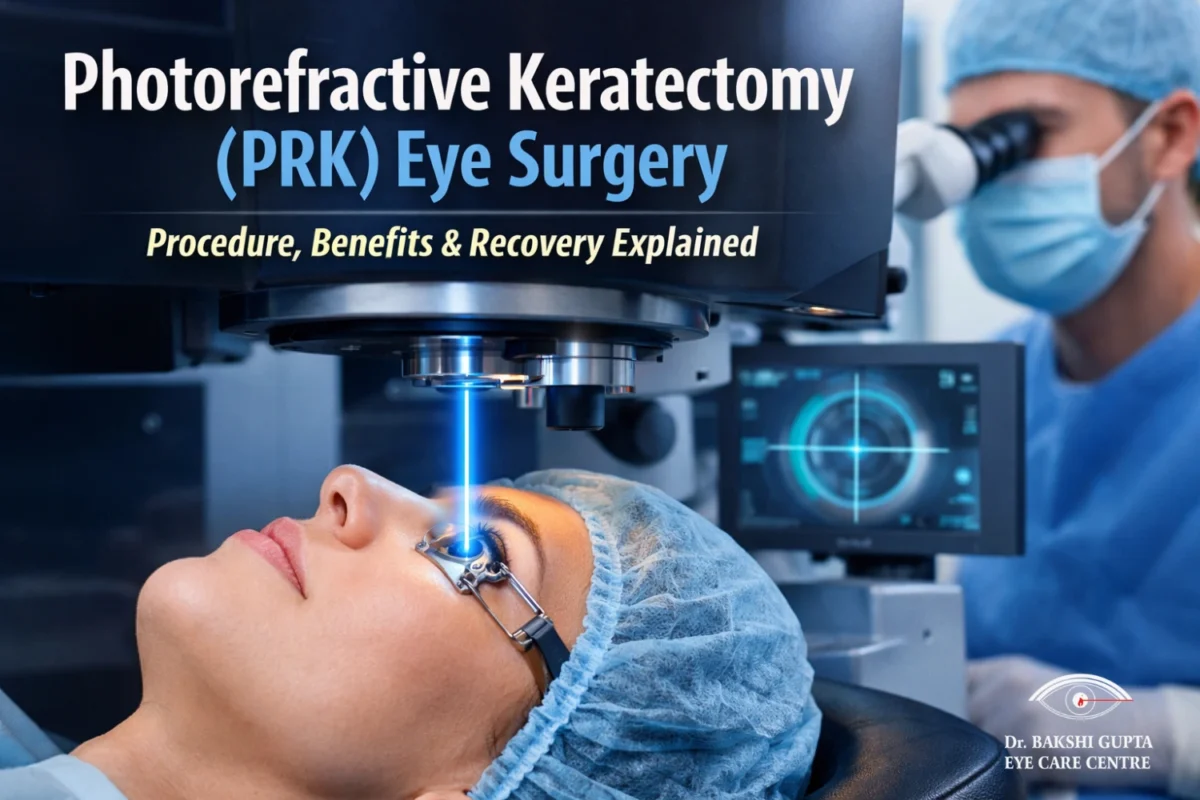
Photorefractive Keratectomy PRK eye surgery is one of the most trusted and time-tested laser vision correction procedures worldwide. Often recommended for patients who are not ideal candidates for LASIK, PRK eye surgery reshapes the cornea to correct refractive errors such as myopia, hyperopia, and astigmatism—without creating a corneal flap. This in-depth guide explains Photorefractive Keratectomy PRK eye surgery in simple, practical terms: how the procedure works, who it’s best for, benefits and risks, recovery expectations, cost considerations, and how advanced PRK eye surgery has evolved. Whether you’re researching PRK laser eye surgery, comparing options, or preparing for consultation, this article is designed to answer your questions clearly and conversationally. What Is Photorefractive Keratectomy (PRK) Eye Surgery? Photorefractive Keratectomy is a type of laser vision correction that uses an excimer laser to reshape the cornea. Unlike LASIK, PRK does not involve cutting a corneal flap. Instead, the thin outer layer of the cornea (the epithelium) is gently removed, allowing the laser to directly reshape the corneal surface. Because there’s no flap, PRK corrective eye surgery is often recommended for patients with thin corneas, dry eyes, or certain corneal irregularities. The epithelium naturally regenerates within a few days after surgery, restoring the eye’s protective surface. Key takeaway: Photorefractive Keratectomy PRK eye surgery is safe, effective, and especially suitable for patients who need surface-based laser correction. How Does PRK Eye Surgery Work? During laser PRK eye surgery, the surgeon carefully removes the corneal epithelium using a specialized solution, brush, or laser. An excimer laser then reshapes the cornea based on your unique prescription. This precise reshaping helps light focus correctly on the retina, improving vision. Once the laser treatment is complete, a soft bandage contact lens is placed over the eye to protect it while the epithelium heals. Vision gradually improves over the following days and weeks. PRK Eye Surgery vs LASIK: What’s the Difference? Patients often ask whether PRK laser eye surgery is better than LASIK eye surgery. The truth is, both are effective—but suitable for different eye conditions. PRK has been around longer than LASIK and remains a gold-standard option, especially in advanced PRK eye surgery cases where corneal stability is a priority. Who Is an Ideal Candidate for PRK Corrective Eye Surgery? You may be a good candidate for Photorefractive Keratectomy PRK eye surgery if you: PRK is also sometimes combined with other surface techniques in specialized conditions, including Keratoconus PRK laser eye surgery, under strict clinical protocols. Types of PRK and Related Procedures Photorefractive keratectomy PRK eye surgery is not a one-size-fits-all treatment. Depending on your eye condition, corneal structure, and vision goals, different types of PRK and related laser procedures may be recommended. Below are the most common and clinically proven options. 1. Standard PRK Eye Surgery Standard PRK eye surgery is the most commonly performed form of PRK corrective eye surgery. It is designed to correct routine refractive errors such as myopia (nearsightedness), hyperopia (farsightedness), and astigmatism using surface ablation. In this procedure, the corneal epithelium is gently removed, and an excimer laser reshapes the underlying corneal tissue to improve how light focuses on the retina. Standard PRK is ideal for patients with stable vision and healthy corneas who may not qualify for LASIK due to thin corneal thickness or dry eye concerns. 2. Advanced PRK Eye Surgery Advanced PRK eye surgery uses next-generation laser technology to provide highly personalized vision correction. Instead of applying a standard correction pattern, wavefront-guided or topography-guided lasers map tiny imperfections in your eye and customize the treatment accordingly. This approach enhances visual clarity, reduces glare and halos, and improves night vision outcomes. Advanced PRK eye surgery is especially beneficial for patients with higher prescriptions, irregular corneal surfaces, or previous refractive surgery complications. 3. PTK Eye Surgery PTK eye surgery (Phototherapeutic Keratectomy) is a therapeutic laser procedure rather than a refractive one. Unlike PRK eye surgery, PTK does not aim to correct vision power. Instead, it treats corneal surface conditions such as scars, opacities, recurrent corneal erosion, and certain dystrophies. PTK uses the same excimer laser technology to precisely remove damaged corneal tissue, helping restore corneal smoothness and improve visual quality. In some cases, PTK may be combined with PRK laser eye surgery if refractive correction is also needed. 4. Keratoconus PRK Laser Eye Surgery Keratoconus PRK laser eye surgery is performed only in carefully selected patients with mild and stable keratoconus. This specialized approach is typically combined with corneal collagen cross-linking to strengthen the cornea and prevent further progression of the condition. The goal is not complete vision correction but meaningful visual improvement and enhanced corneal stability. When performed by experienced surgeons using strict protocols, keratoconus PRK laser eye surgery can reduce dependence on glasses or contact lenses while preserving long-term eye health. Step-by-Step PRK Laser Eye Surgery Procedure 1. Pre-operative assessment Before photorefractive keratectomy PRK eye surgery, a detailed eye evaluation is performed. This includes measuring corneal thickness, mapping corneal topography, checking pupil size, and confirming vision stability. These tests ensure that PRK eye surgery is safe, accurate, and customized to your eyes. 2. Numbing drops applied On the day of PRK laser eye surgery, anesthetic eye drops are administered to completely numb the eyes. This ensures you remain comfortable throughout the procedure, with no pain during the laser treatment. 3. Epithelium removal The thin outer layer of the cornea, called the epithelium, is gently removed using a specialized solution or instrument. Since PRK is a surface-based procedure, no corneal flap is created, making prk corrective eye surgery ideal for patients with thin corneas. 4. Laser reshaping An advanced excimer laser precisely reshapes the cornea to correct refractive errors such as myopia, hyperopia, or astigmatism. The laser treatment usually takes only a few seconds per eye, guided by your personalized vision data. 5. Bandage lens placement After laser reshaping, a soft bandage contact lens is placed on the eye. This protective lens promotes healing, reduces discomfort, and allows the epithelium to regenerate naturally over the next few days. 6.

Categories
Eye Hospital In Panchkula

Effective Farsightedness Treatment for Clear and Balanced Vision

Farsightedness treatment is essential for anyone who struggles with clear near vision, frequent eye strain, or headaches while reading or using digital devices. Clinically known as hyperopia, farsightedness occurs when light entering the eye focuses behind the retina instead of directly on it. This leads to difficulty seeing objects up close, while distant vision may remain relatively clear—especially in younger people. If left unmanaged, farsightedness can interfere with daily tasks, work productivity, learning, and overall quality of life. Fortunately, modern far sighted treatment options range from non-invasive solutions like glasses to advanced eye surgery for farsightedness that can offer long-term freedom from corrective lenses. This comprehensive guide explains causes, symptoms, diagnosis, medicines, lifestyle strategies, and the best eye surgery for farsightedness, helping you choose the most effective path to clear and balanced vision. What is Farsightedness (Hyperopia) Farsightedness happens when the eyeball is too short or the cornea has too little curvature. As a result, incoming light doesn’t bend enough and focuses behind the retina. Children and young adults can sometimes compensate by using eye muscles to focus, but this constant effort often causes fatigue. Common Causes Signs and Symptoms Early diagnosis is critical, as the right farsightedness treatment can prevent worsening symptoms and long-term discomfort. How Farsightedness Is Diagnosed An eye care professional performs a comprehensive eye exam that may include: Accurate diagnosis ensures the most suitable far sighted treatment, whether non-surgical or surgical. Non-Surgical Farsightedness Treatment Options 1. Prescription Glasses Glasses are the most common farsightedness treatment and work by adjusting how light enters the eye. Convex lenses help focus images directly onto the retina. Pros: Cons: 2. Contact Lenses Contact lenses offer a wider field of vision and cosmetic appeal. They are available in daily, monthly, and multifocal options. Pros: Cons: 3. Medicine for Farsightedness There is no permanent medicine for farsightedness that can correct eye structure. However, medications may help relieve symptoms: These medicines complement other farsightedness treatment options but do not replace corrective lenses or surgery. Lifestyle and Natural Support for Far Sighted Treatment While they cannot cure hyperopia, healthy habits support eye comfort: Such habits enhance overall eye health and support long-term far sighted treatment success. Eye Surgery for Farsightedness For those seeking freedom from glasses or contacts, eye surgery options for farsightedness can permanently reshape how the eye focuses light. Who Is a Good Candidate? You may qualify for far sighted eye surgery if you: Types of Farsighted Corrective Eye Surgery 1. LASIK for Farsightedness LASIK is one of the most popular and widely performed options in modern farsightedness treatment. This advanced laser procedure works by precisely reshaping the cornea so that light entering the eye focuses correctly on the retina, improving near vision and overall clarity. For many patients, LASIK offers a long-term alternative to glasses or contact lenses and is often recommended as a reliable far sighted eye surgery option. During the procedure, a femtosecond laser creates a thin corneal flap. Another laser then reshapes the underlying corneal tissue to correct hyperopia. The flap is repositioned without stitches, allowing the eye to heal naturally. The entire process typically takes less than 15 minutes for both eyes. Benefits of LASIK for farsightedness include: Limitations of LASIK: Because of its high success rate, safety profile, and long-term results, LASIK is often regarded as one of the best eye surgeries for farsightedness for eligible candidates seeking a permanent and effective solution. 2. PRK (Photorefractive Keratectomy) PRK (Photorefractive Keratectomy) is a well-established farsighted corrective eye surgery that reshapes the cornea to improve how light focuses on the retina. Unlike LASIK, PRK does not create a corneal flap. Instead, the surgeon gently removes the thin outer layer of the cornea (epithelium) and then uses an advanced laser to reshape the underlying corneal tissue. Over time, the epithelium naturally regenerates, resulting in clearer and more balanced vision. PRK is often recommended for patients who may not be ideal candidates for LASIK, making it an important eye surgery option for farsightedness, especially in specific clinical situations. Benefits of PRK for Farsightedness Treatment: Because PRK reshapes the cornea directly, it provides reliable and lasting improvement, making it a trusted far sighted eye surgery option worldwide. Considerations to Keep in Mind: Although PRK requires patience during recovery, many patients find it to be a safe and effective farsightedness treatment with excellent long-term outcomes. For individuals seeking the best eye surgery for farsightedness but who cannot undergo LASIK, PRK remains a highly dependable alternative. 3. Refractive Lens Exchange (RLE) Refractive Lens Exchange (RLE) is an advanced farsighted corrective eye surgery that involves replacing the eye’s natural lens with a premium artificial intraocular lens (IOL). The procedure is very similar to cataract surgery, but it is performed even when cataracts are not present. RLE is especially effective for individuals with moderate to high farsightedness who may not be ideal candidates for laser-based eye surgery options for farsightedness. By removing the natural lens and implanting a customized IOL, RLE allows light to focus correctly on the retina, providing clearer vision at multiple distances. This makes it a long-term and stable far sighted treatment, particularly for adults over 40 who are already experiencing age-related focusing issues. Benefits of Refractive Lens Exchange: Considerations Before Choosing RLE: For patients seeking a permanent farsightedness treatment with added protection against age-related vision changes, Refractive Lens Exchange is often considered one of the best eye surgery for farsightedness in the long term, especially when laser procedures are not an option. 4. Implantable Contact Lenses (ICL) Implantable Contact Lenses (ICL) are an advanced farsighted corrective eye surgery option designed for people who may not be suitable candidates for laser procedures like LASIK or PRK. In this procedure, a specially designed artificial lens is placed inside the eye, between the natural lens and the iris, without removing the eye’s original lens. Unlike traditional contact lenses, ICLs work permanently from within the eye to improve focus and visual clarity. This form of far sighted eye surgery is particularly helpful for individuals

Categories
Eye Hospital In Panchkula

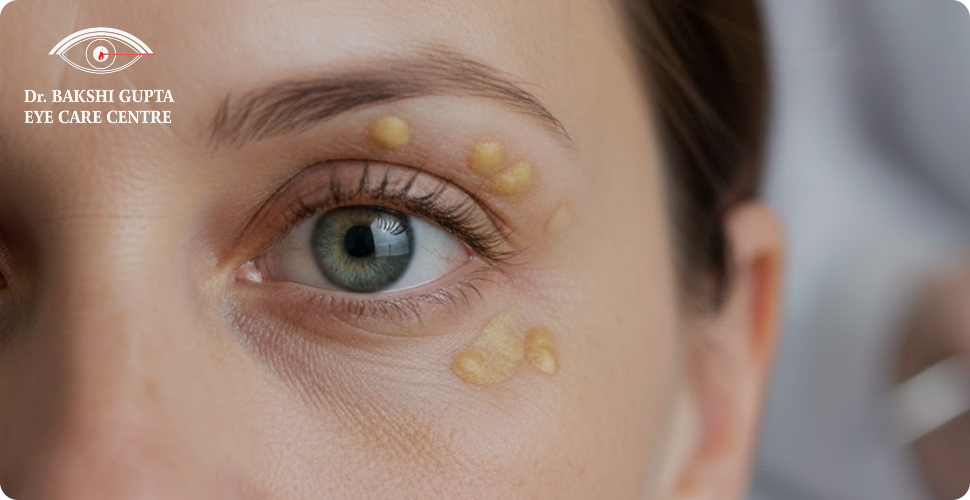
Effective Xanthelasma Treatment Methods Explained 2026

Xanthelasma may look like a small cosmetic issue, but for many people it becomes a long-term concern affecting confidence and eye appearance. If you’re searching for xanthelasma treatment, you’re not alone. These yellowish cholesterol deposits around the eyelids are common and often stubborn. The good news is that modern medical science offers multiple safe and effective solutions. This guide explains xanthelasma treatment options, how doctors choose the right method, and how to get long-lasting results. Whether you are looking for the best xanthelasma treatment or reliable xanthelasma treatment doctors, this blog is designed to answer your questions clearly and practically. What Is Xanthelasma? Xanthelasma are soft, flat, yellow plaques that usually appear on the upper or lower eyelids, especially near the inner corners of the eyes. They are formed due to cholesterol deposits under the skin. While xanthelasma itself is harmless, it can be associated with lipid imbalance or metabolic conditions. Most people seek xanthelasma treatment for cosmetic reasons, but evaluation is important because recurrence is possible if underlying factors are not managed. Why Early Xanthelasma Treatment Matters Many patients delay treatment thinking xanthelasma will fade on its own. Unfortunately, that rarely happens. Early xanthelasma treatment offers several benefits: Consulting experienced xanthelasma treatment doctors early ensures the safest and most effective approach. How Xanthelasma Is Diagnosed Diagnosis is usually clinical. A doctor examines the eyelids and reviews your medical history. In some cases, blood tests are advised to check lipid levels. While diagnosis is straightforward, choosing the best xanthelasma treatment requires professional evaluation. Factors That Decide the Best Xanthelasma Treatment No single xanthelasma treatment suits everyone. Doctors consider: This personalized approach is why choosing qualified xanthelasma treatment doctors is critical. 1. Non-Surgical Xanthelasma Treatment Options Non-surgical xanthelasma treatment options are often the first choice for patients with small, flat, and superficial lesions, especially when the deposits are in the early stages. These methods are ideal for individuals who prefer minimal downtime, want to avoid surgery, or are not suitable candidates for invasive procedures. Under the guidance of experienced xanthelasma treatment doctors, non-surgical treatments can deliver visible improvement with a lower risk profile. Topical Chemical Xanthelasma Treatments Topical chemical therapy is a commonly used non-surgical xanthelasma treatment for mild cases. In this method, specially formulated chemical agents are carefully applied to the affected area to gradually break down cholesterol deposits beneath the skin. Because the eyelid skin is extremely delicate, these treatments must always be performed under strict medical supervision by trained professionals. The chemical solution works by causing controlled damage to the xanthelasma plaque, allowing the body to heal and regenerate healthier skin over time. Multiple sessions may be needed depending on the size and thickness of the lesion. While this approach may not be considered the best xanthelasma treatment for advanced or bulky plaques, it can be highly effective for early-stage xanthelasma. Pros of Topical Chemical Xanthelasma Treatment: Cons of Topical Chemical Xanthelasma Treatment: For patients seeking a conservative approach, topical chemical therapy offers a safe starting point. However, consulting skilled xanthelasma treatment doctors is essential to determine whether this option is appropriate or if more advanced methods such as laser or radiofrequency would provide better and longer-lasting outcomes. 2. Laser Xanthelasma Treatment Laser therapy is one of the most advanced and widely recommended xanthelasma treatment options today. It is often considered the best xanthelasma treatment for mild to moderate eyelid lesions due to its precision and excellent cosmetic results. How Laser Treatment Works A focused laser beam targets the cholesterol deposits and removes them layer by layer without harming the surrounding skin. This controlled approach makes laser a safe and effective xanthelasma treatment for the delicate eyelid area. Benefits of Laser Xanthelasma Treatment Because of these advantages, many xanthelasma treatment doctors prefer laser therapy for predictable and long-lasting results. Recovery After Laser Treatment Laser xanthelasma treatment should always be performed by experienced specialists to ensure safety and avoid complications. 3. Radiofrequency (RF) Ablation for Xanthelasma Treatment Radiofrequency (RF) ablation is a widely used and clinically proven xanthelasma treatment method that uses controlled heat energy to precisely remove cholesterol deposits from the eyelids. This technique works by delivering high-frequency radio waves that generate localized heat, allowing doctors to gently vaporize the xanthelasma tissue layer by layer without affecting the surrounding healthy skin. Because of its accuracy and controlled depth, RF ablation is especially useful for patients who want effective results with minimal downtime. Many xanthelasma treatment doctors recommend RF when lesions are moderately sized and located in sensitive eyelid areas. Advantages of Radiofrequency Xanthelasma Treatment How RF Ablation Works During the procedure, a fine RF probe is used to target the xanthelasma plaque. The heat breaks down the fatty deposits while sealing small blood vessels simultaneously. This reduces bleeding, lowers infection risk, and supports faster healing, making RF a safe and efficient xanthelasma treatment option. 4. Surgical Excision Surgical excision is one of the most effective and definitive xanthelasma treatment options for patients with large, thick, or recurrent eyelid plaques. This method physically removes the cholesterol deposit, making it ideal when other xanthelasma treatment methods such as laser or chemicals are insufficient. When Surgical Xanthelasma Treatment Is Recommended In such situations, surgery may be considered the best xanthelasma treatment for long-term results. Pros of Surgical Xanthelasma Treatment Cons to Consider Surgical xanthelasma treatment should only be performed by experienced xanthelasma treatment doctors with specialized knowledge of eyelid anatomy to ensure safe healing and optimal cosmetic outcomes. 5. Cryotherapy (Freezing Treatment) Cryotherapy is a xanthelasma treatment that removes yellow eyelid plaques by freezing them with liquid nitrogen. Many patients consider this option because it is non-surgical and does not involve cuts or stitches. What Patients Experience The procedure is quick and done in the clinic. A doctor applies liquid nitrogen to the affected area, which may cause brief stinging or burning. After treatment, the skin may turn red, form a small scab, and heal over the next 1–2 weeks. Benefits for Patients Important Limitations Is Cryotherapy Right for You?

Categories
Eye Hospital In Panchkula

Eye Care Routine to Maintain Vision After Refractive Surgery

Refractive surgery can be life-changing. Clear vision without glasses or contact lenses brings freedom and confidence—but the journey doesn’t end once the surgery is done. What truly determines long-term success is your eye care routine after the procedure. Following a structured eye care routine helps protect your healing eyes, reduces side effects like dryness or glare, and ensures stable, sharp vision for years to come. Whether you’ve undergone LASIK, PRK, SMILE, or another procedure, consistent post-surgery care is essential. This blog explains how to build an effective eye care routine after refractive surgery, what to do daily, weekly, and long term, and how to avoid common mistakes that can compromise results. If you want your vision correction to last, this guide is for you. Why an Eye Care Routine Is Critical After Refractive Surgery Refractive surgery reshapes the cornea to correct vision. While the procedure itself is quick, the healing process continues for months. During this time, your eyes are more sensitive to dryness, strain, infection, and environmental stress. A proper eye care routine helps to: Skipping or inconsistently following an eye care routine is one of the most common reasons patients experience fluctuating vision or discomfort after surgery. First 24–72 Hours: Foundation of Your Eye Care Routine The first few days after refractive surgery are crucial. This is when the cornea begins healing and is most vulnerable. Essential Eye Care Routine Steps Immediately After Surgery During this phase, your eye care routine should focus on protection and rest. Even brief negligence can slow healing. Managing Dry Eyes: A Core Part of Your Eye Care Routine Dry eye symptoms are common after refractive surgery, even in patients who never had dryness before. This happens because corneal nerves take time to regenerate. How to Manage Dryness Effectively Dry eye management is not temporary—it’s a long-term pillar of your eye care routine. Consistent lubrication improves comfort and visual clarity. Daily Eye Care Routine for Long-Term Vision Stability Once initial healing is complete, your focus should shift to maintaining eye health daily. Morning Eye Care Routine Throughout the Day Night Eye Care Routine A structured daily eye care routine reduces strain and prevents regression in visual comfort. Screen Time and Digital Strain After Refractive Surgery In today’s digital world, screen exposure is unavoidable. However, unmanaged digital strain can negatively affect post-surgery vision. Smart Screen Habits to Add to Your Eye Care Routine Digital discipline is essential. A strong eye care routine protects your surgical investment in a screen-heavy lifestyle. Nutrition and Hydration: Often Ignored Eye Care Routine Factors Healing and vision stability are deeply connected to nutrition. Nutrients That Support Eye Health Drink enough water daily. Hydration supports tear film stability and enhances the effectiveness of your eye care routine. Physical Activity and Lifestyle Adjustments Exercise is healthy—but timing matters after refractive surgery. Eye Care Routine Guidelines for Physical Activity Smoking and excessive alcohol consumption can delay healing and worsen dryness, making lifestyle discipline a necessary part of your eye care routine. Follow-Up Visits: A Non-Negotiable Eye Care Routine Step Many patients feel fine and skip follow-ups—this is a mistake. Regular check-ups allow doctors to: If you’ve consulted experienced Refractive surgery doctors in Panchkula, follow-up schedules are usually personalized—stick to them strictly. Long-Term Eye Care Routine: 6 Months and Beyond Even after vision stabilizes, your eye care routine should continue. Long-Term Maintenance Tips Understanding different Refractive eye surgery types also helps patients set realistic expectations for long-term care. Common Mistakes That Can Harm Your Eye Care Routine Avoid these errors that many patients unknowingly make: A disciplined eye care routine prevents small issues from becoming permanent problems. When to Contact Your Eye Doctor Immediately Your eye care routine also includes knowing warning signs: Early medical attention protects both vision and surgical outcomes. Why Choosing the Right Clinic Matters Post-surgery guidance varies depending on expertise and technology used. Clinics like Gupta Eye Clinic in Panchkula emphasize long-term patient education, ensuring your eye care routine is practical, realistic, and effective beyond surgery day. FAQs: 1. How long should I follow an eye care routine after refractive surgery? An eye care routine should be followed for life. While intensity reduces over time, basic habits like lubrication and UV protection remain essential. 2. Is dryness permanent after refractive surgery? Dryness usually improves within months, but maintaining an eye care routine helps manage long-term comfort. 3. Can excessive screen time damage vision after surgery? Yes. Without proper eye care routine adjustments, screen overuse can cause strain and dryness. 4. When can I resume normal activities? Most daily activities resume within days, but swimming, heavy exercise, and eye makeup require medical clearance. 5. Do I still need eye exams if my vision is clear? Yes. Regular exams are a key part of an effective eye care routine. Final Thoughts Refractive surgery corrects vision—but your eye care routine preserves it. From managing dryness and screen habits to nutrition and follow-ups, consistent care ensures your eyes remain healthy long after surgery. If you’ve invested in vision correction, investing time in your eye care routine is the smartest decision you can make—for clarity, comfort, and confidence.

Categories
Eye Hospital In Panchkula

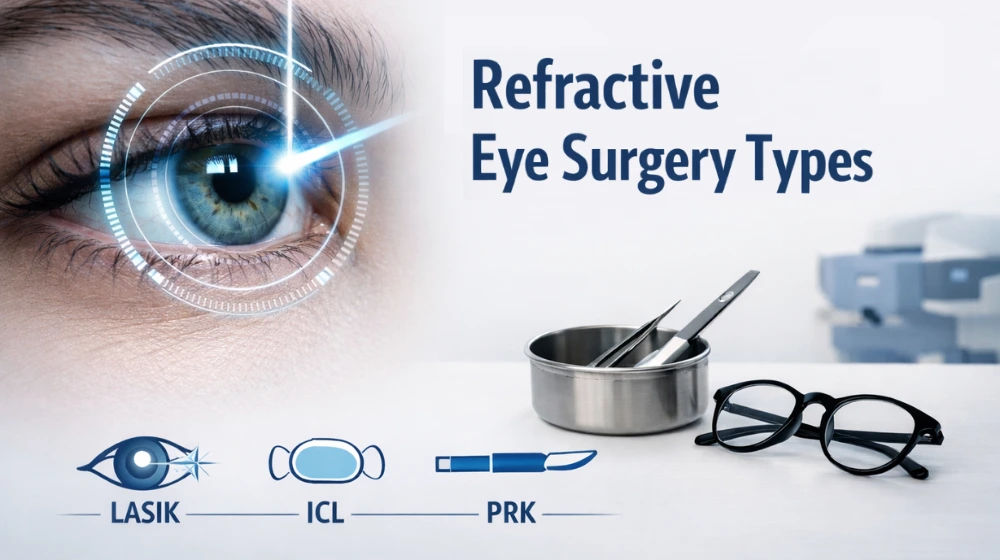
Refractive Eye Surgery Types: A Complete Guide to Vision Correction Options

Refractive eye surgery has transformed the way people achieve clear vision without depending on glasses or contact lenses. If you struggle with nearsightedness, farsightedness, or astigmatism, refractive eye surgery offers long-term solutions tailored to your eye structure and lifestyle. With advancements in ophthalmology, patients today can choose from multiple refractive surgery types, each designed to correct vision safely and precisely. This guide explains refractive eye surgery, the most common refractive surgery types, who they are suitable for, benefits, risks, and how to decide the best option for your eyes. Whether you’re researching for yourself or comparing procedures, this blog answers questions commonly surfaced in Google AI Overviews and AI chat-based search platforms. What Is Refractive Eye Surgery? Refractive eye surgery is a group of surgical procedures that correct refractive errors by reshaping the cornea or modifying the eye’s focusing ability. The goal of refractive eye surgery is to ensure that light entering the eye focuses directly on the retina, producing clear and sharp vision. Most refractive eye surgery procedures reduce or eliminate the need for spectacles or contact lenses. With modern diagnostic tools and laser technologies available at a well-equipped eye hospital in Panchkula, outcomes have become more precise and predictable than ever before. Common Vision Problems Treated by Refractive Eye Surgery Why Refractive Eye Surgery Is Gaining Popularity Refractive eye surgery is increasingly preferred due to its convenience, long-term results, and lifestyle benefits. Unlike glasses or contact lenses, refractive surgery types provide freedom from daily visual aids. Key reasons people choose refractive eye surgery: Major Refractive Eye Surgery Types Explained Understanding different refractive surgery types helps patients make informed decisions. Below is a detailed explanation of the most commonly performed refractive eye surgery procedures. 1. LASIK (Laser-Assisted In Situ Keratomileusis) LASIK is the most well-known refractive eye surgery worldwide. It reshapes the cornea using an advanced laser to correct refractive errors. How LASIK Works A thin flap is created on the cornea, lifted, and the underlying corneal tissue is reshaped using an excimer laser. The flap is then repositioned to heal naturally. Who Is LASIK Best For? Benefits of LASIK Limitations LASIK remains one of the most widely chosen refractive surgery types due to its speed and proven success rates. 2. Femto LASIK (Blade-Free LASIK) Femto LASIK is an advanced refractive eye surgery option that improves safety and precision. What Makes Femto LASIK Different? A femtosecond laser is used instead of a blade to create the corneal flap, allowing for greater accuracy. Advantages Femto LASIK is often recommended at advanced refractive eye centers for patients seeking the latest technology. 3. SMILE (Small Incision Lenticule Extraction) SMILE is a minimally invasive refractive eye surgery technique and one of the most innovative refractive surgery types available today. How SMILE Works A small disc of corneal tissue is created using a femtosecond laser and removed through a tiny incision, reshaping the cornea. Ideal Candidates Benefits SMILE is increasingly preferred by athletes and young professionals. 4. PRK (Photorefractive Keratectomy) PRK is one of the earliest refractive eye surgery procedures and continues to be a reliable option. How PRK Differs from LASIK Instead of creating a flap, the surface layer of the cornea is gently removed before laser reshaping. Who Should Consider PRK? Pros and Cons PRK remains a trusted refractive surgery type with excellent long-term visual outcomes. 5. LASEK (Laser Epithelial Keratomileusis) LASEK is a modified form of PRK and another effective refractive eye surgery option. Key Features LASEK is often chosen when LASIK and PRK are not ideal options. 6. ICL (Implantable Collamer Lens) ICL is a non-laser refractive eye surgery suitable for patients with high refractive errors. How ICL Works A biocompatible lens is implanted inside the eye without removing the natural lens. Who Benefits Most? Advantages ICL is commonly offered at a specialized refractive eye hospital in Panchkula for patients who are not candidates for laser-based procedures. 7. Refractive Lens Exchange (RLE) RLE is a refractive eye surgery similar to cataract surgery and is typically recommended for older adults. Ideal For Benefits How to Choose the Right Refractive Surgery Type Selecting the most suitable refractive eye surgery depends on several factors: A comprehensive pre-surgical evaluation helps determine the safest and most effective refractive surgery type. Safety and Success Rates of Refractive Eye Surgery Modern refractive eye surgery techniques have high success rates due to improved technology and surgical expertise. Key Safety Insights Recovery After Refractive Eye Surgery Recovery varies based on the refractive surgery type: Following post-operative care instructions is essential for optimal results. Frequently Asked Questions 1. Is refractive eye surgery permanent? Most refractive eye surgery results are long-lasting, though natural aging changes may still occur. 2. Which refractive surgery type is best? The best refractive surgery type depends on individual eye structure, vision needs, and lifestyle. 3. Is refractive eye surgery painful? Refractive eye surgery is generally painless, with mild discomfort during recovery. 4. How soon can I return to work? Most patients resume work within a few days, depending on the procedure. Final Thoughts Refractive eye surgery has revolutionized vision correction by offering safe, effective, and personalized solutions. With multiple refractive surgery types available, patients can now enjoy clearer vision and an improved quality of life. Understanding your options and consulting an experienced eye specialist ensures the best possible outcome.

Categories
Eye Hospital In Panchkula

Laser Eye Treatment Side Effects and How to Manage Them Safely

Laser eye treatment has transformed the way people correct vision problems like myopia, hyperopia, and astigmatism. Procedures such as LASIK, PRK, and SMILE offer freedom from glasses and contact lenses. However, before undergoing the procedure, it’s important to clearly understand laser eye treatment side effects—both short-term and long-term—so you can make an informed and confident decision. In this guide, we explain laser eye surgery side effects, common complications, after-effects, and most importantly, how to manage them safely under expert medical care. Understanding Laser Eye Treatment and Its Safety Laser eye surgery reshapes the cornea using advanced laser technology to improve how light enters the eye. While the procedure is considered highly safe when performed by experienced surgeons, laser eye surgery risks and side effects can still occur—just like with any medical treatment. At Gupta Eye Hospital in Panchkula, advanced diagnostic tools, strict screening protocols, and personalized treatment plans significantly reduce complications after laser eye surgery. Common Laser Eye Treatment Side Effects (Short-Term) Most patients experience mild and temporary after effects of laser eye treatment, especially during the first few days or weeks. 1. Dry Eyes After Surgery Dry eyes are the most common after effects of laser eye surgery. Symptoms include: How to manage safely: Dryness usually improves within 3–6 months. 2. Blurred or Fluctuating Vision Temporary vision fluctuation is a normal laser eye treatment side effect, especially during healing. Management tips: Vision typically stabilizes within a few weeks. 3. Light Sensitivity Many patients report sensitivity to bright lights, glare, or sunlight. Safe management: This is a short-term after effect of laser eye surgery and improves gradually. Laser Eye Surgery Side Effects (Long Term) While rare, some patients may experience laser eye surgery side effects long term. Understanding these helps reduce anxiety and promotes timely treatment. 1. Night Vision Issues (Halos & Glare) Some patients notice halos, starbursts, or glare—especially while driving at night. Long term effects of laser eye surgery may include: How experts manage this: Choosing an experienced surgeon at Gupta Eye Hospital Panchkula minimizes these risks. 2. Regression of Vision Regression occurs when vision slightly shifts after surgery. Why it happens: This is one of the manageable laser eye surgery complications, often corrected with enhancement procedures. 3. Chronic Dry Eye (Rare) In rare cases, dryness may persist longer than expected. Safe management includes: Early diagnosis significantly reduces complications of LASIK laser eye surgery. Serious but Rare Laser Eye Surgery Complications Though uncommon, serious complications after laser eye surgery must be discussed transparently. 1. Infection or Inflammation Infections are extremely rare but possible if post-surgery care is ignored. Warning signs: Immediate medical attention ensures full recovery. 2. Corneal Ectasia This is a rare structural weakening of the cornea. Risk factors include: Thorough pre-surgery screening at Gupta Eye Hospital Panchkula virtually eliminates this risk. 3. Overcorrection or Undercorrection Some patients may need enhancement surgery. This is a known laser eye surgery risk and side effect, not a failure of treatment. How to Reduce Laser Eye Surgery Risks and Side Effects The best way to prevent laser eye treatment side effects is careful preparation and expert guidance. Follow These Safety Tips: Choose a Reputed Eye Hospital Always select a trusted and well-equipped eye hospital with experienced surgeons and advanced laser technology. A reputed center follows strict safety protocols, which greatly lowers the chances of laser eye surgery complications and long-term after effects. Undergo a Complete Eye Evaluation A detailed pre-surgery assessment is crucial. Tests for corneal thickness, tear production, pupil size, and overall eye health help determine whether you are a suitable candidate. Proper screening significantly reduces the risk of complications of LASIK laser eye surgery and ensures the most suitable procedure is chosen for your eyes. Follow Medication Instructions Carefully Using prescribed eye drops before and after surgery helps prevent infection, inflammation, and dryness. Skipping medications or adjusting doses without medical advice can increase the after effects and delay healing. Avoid Rubbing Your Eyes Rubbing the eyes after surgery can disturb corneal healing and may lead to complications after laser eye surgery. Protecting your eyes—especially during sleep and face washing—is essential in the early recovery phase. Attend All Follow-Up Visits Regular post-operative check-ups allow your eye specialist to monitor healing, detect early signs of laser eye surgery side effects long term, and manage issues before they become serious. Follow-ups play a key role in achieving stable, long-lasting vision results. By staying informed, understanding procedures like LASIK, and following expert guidance, most patients can safely manage the after effects of laser eye surgery and enjoy clear vision with minimal risk. Who Is More Prone to Laser Eye Surgery Complications? Some people have a higher risk of laser eye surgery complications, including: A detailed consultation helps determine suitability. Why Expert Care Matters for Safe Laser Eye Treatment Experience, technology, and post-operative care make all the difference. Gupta Eye Hospital Panchkula stands out for: Choosing the right hospital significantly reduces laser eye surgery risks and side effects. FAQs 1. Is laser eye treatment safe? Yes, when performed by qualified surgeons with proper screening. 2. How long do laser eye treatment side effects last? Most side effects resolve within weeks to months. 3. Are laser eye surgery side effects long term common? Long-term complications are rare and usually manageable. 4. Can complications after laser eye surgery be treated? Yes, early diagnosis ensures effective treatment. 5. Is LASIK safer than other laser eye procedures? All procedures are safe when selected appropriately. 6. Can dry eyes become permanent? Rarely, but proper care significantly reduces risk. Conclusion Understanding laser eye treatment side effects helps set realistic expectations and reduces fear. While mild after effects of laser eye surgery are common, serious complications are rare—especially when the procedure is done at a trusted center. With advanced technology, expert surgeons, and patient-focused care, Gupta Eye Hospital Panchkula ensures safe outcomes and long-term visual success. If you’re considering laser eye treatment, informed decisions and expert guidance are your best safeguards.

Categories
Eye Hospital In Panchkula

Diet & Lifestyle Tips to Prevent Xanthelasma Recurrence

Xanthelasma is a cosmetic and medical concern that often appears as yellowish, cholesterol-rich plaques on the eyelids. Although it is painless and usually harmless, many people seek treatment because it affects facial appearance and may signal underlying health issues such as high cholesterol or metabolic disorders. While medical or surgical treatments can remove existing xanthelasma, recurrence is common if the root causes are not addressed. This is why long-term prevention depends heavily on dietary changes, lifestyle habits, and regular medical monitoring. Understanding Xanthelasma and Why It Recurs Xanthelasma palpebrarum is caused by deposits of lipids under the skin, usually around the eyes. Even after successful removal through laser, surgery, or chemical treatment, recurrence rates can range from 30% to 50%, especially if cholesterol levels remain uncontrolled. Key reasons xanthelasma returns include: Treating the visible lesion alone is not enough. Preventing recurrence requires managing internal metabolic health. The Role of Diet in Preventing Xanthelasma Recurrence Diet is one of the most powerful tools to control lipid levels and reduce fat deposition under the skin. 1. Focus on Heart-Healthy Foods A cholesterol-friendly diet helps reduce the buildup of lipids that cause xanthelasma. Include: These foods are high in fiber, which helps lower LDL cholesterol naturally. 2. Choose Healthy Fats, Avoid Harmful Ones Not all fats are bad, but the type of fat matters greatly. ✅ Healthy fats: ❌ Avoid or limit: Reducing unhealthy fats significantly lowers the chance of xanthelasma recurrence. 3. Limit Sugar and Refined Carbohydrates High sugar intake worsens insulin resistance and raises triglyceride levels, increasing the risk of lipid deposits. Avoid: Replace them with complex carbs and natural sweeteners in moderation. 4. Increase Antioxidant-Rich Foods Antioxidants help reduce inflammation and oxidative stress, which can contribute to lipid deposition. Add: Lifestyle Changes That Reduce Xanthelasma Recurrence Diet alone is not enough. Daily lifestyle habits play an equally important role. 1. Maintain a Healthy Body Weight Obesity is closely linked with high cholesterol and metabolic disorders. Losing even 5–10% of body weight can significantly improve lipid profiles and reduce recurrence risk. 2. Exercise Regularly Physical activity improves HDL cholesterol and lowers LDL cholesterol. Recommended activities: Aim for at least 150 minutes of moderate exercise per week. 3. Quit Smoking and Limit Alcohol Smoking damages blood vessels and worsens lipid metabolism. Alcohol, especially in excess, can raise triglyceride levels. For prevention: These changes benefit both eye health and cardiovascular health. 4. Get Quality Sleep and Manage Stress Chronic stress and poor sleep negatively affect hormone balance and cholesterol levels. Tips: Medical Monitoring: A Key Step in Prevention Even with the best diet and lifestyle, regular medical check-ups remain essential. 1. Monitor Cholesterol and Blood Sugar If you’ve had xanthelasma before, test your: Monitoring helps detect issues early and prevent recurrence. 2. Follow Prescribed Medications Strictly If your doctor has prescribed cholesterol-lowering medications such as statins, do not stop them without medical advice. These medications significantly reduce recurrence risk. A trusted xanthelasma treatment hospital will focus not only on removal but also on long-term medical management. Importance of Choosing the Right Specialist Xanthelasma forms near delicate eye structures, so treatment and follow-up must be handled carefully. Consulting an experienced eye specialist in Panchkula ensures: A specialist approach greatly reduces complications and recurrence rates. Post-Treatment Care Tips to Prevent Recurrence After treatment: Follow-up visits are critical to monitor healing and detect early signs of recurrence. Can Xanthelasma Be Completely Prevented? Xanthelasma cannot always be completely prevented, especially in genetically predisposed individuals. However, recurrence can be significantly delayed or minimized with: Early intervention improves long-term outcomes. When Should You See a Doctor? You should consult an eye doctor or visit a Xanthelasma treatment hospital if: Prompt evaluation prevents progression and complications. Final Thoughts Preventing xanthelasma recurrence requires a holistic approach. While medical treatment removes visible lesions, lasting results depend on managing internal health through diet, exercise, stress control, and regular medical care. By adopting heart-healthy dietary habits, maintaining an active lifestyle, and seeking guidance from a trusted eye specialist in Panchkula, you can significantly reduce the risk of recurrence and protect both your appearance and overall health.

Categories
Eye Hospital In Panchkula

Best Natural Eye Treatment Centre in Panchkula | Gupta Eye and Dental Care

In today’s fast-paced digital world, our eyes are under constant strain from screens, pollution, and stress. While modern medicine provides advanced solutions, many people are now turning toward natural eye treatment for long-lasting and holistic care. If you are looking for a natural eye treatment centre in Panchkula that blends traditional wisdom with modern eye care, Gupta Eye and Dental Care stands out as one of the most trusted names. This article explores how natural eye treatments can improve vision, relieve strain, and support overall eye health—and why Gupta Eye and Dental Care is the best place for comprehensive and natural eye care solutions in Panchkula. Understanding the Importance of Natural Eye Care Our eyes are one of the most delicate and vital organs, yet they are often neglected. Excessive screen time, poor diet, lack of sleep, and exposure to environmental pollutants can lead to problems like dry eyes, blurry vision, headaches, and even chronic eye diseases. Natural eye care focuses on healing the eyes through holistic methods rather than relying only on medications or surgery. This approach includes lifestyle changes, natural therapies, diet correction, and exercises that enhance the eyes’ natural healing ability. At Gupta Eye and Dental Care, the philosophy of natural healing is integrated into modern medical expertise—offering patients the best of both worlds. Why Choose a Natural Eye Treatment Centre? A natural eye treatment centre focuses on identifying and addressing the root causes of vision problems instead of merely managing the symptoms. Unlike conventional treatments that rely heavily on medications or surgical interventions, natural eye therapies promote gradual improvement in eye health using safe and proven methods. Here are some benefits of natural eye care: At Gupta Eye and Dental Care, patients receive personalized care plans tailored to their unique eye conditions, lifestyle, and goals. Gupta Eye and Dental Care: The Leading Natural Eye Treatment Centre in Panchkula Located in the heart of Panchkula, Gupta Eye and Dental Care has built a strong reputation for providing holistic, patient-centered treatments. The center combines advanced ophthalmic technology with natural and preventive care methods to enhance visual wellness. The team at Gupta Eye and Dental Care is led by experienced specialists who understand the importance of both modern ophthalmology and natural eye therapy. The clinic’s mission is simple—to preserve and improve vision through safe, natural, and effective treatments. Key Features of Gupta Eye and Dental Care: 1. Comprehensive Eye Checkups: Regular eye checkups are essential to detect issues early. The center provides detailed eye examinations using state-of-the-art diagnostic equipment, ensuring accurate and early detection of problems. 2. Customized Natural Eye Treatment Plans: Each patient is unique. The experts at Gupta Eye and Dental Care assess individual needs and design a natural eye treatment plan that may include eye exercises, relaxation techniques, diet modifications, and herbal supplements. 3. Integration of Modern and Natural Therapies: The center integrates Ayurvedic and holistic eye therapies with modern ophthalmic care. This combined approach ensures complete eye wellness—both physically and functionally. 4. Experienced and Compassionate Doctors: The highly qualified doctors provide thorough consultations, explaining every aspect of eye health and helping patients adopt healthy habits for lifelong vision. 5. Focus on Preventive Eye Health: Prevention is better than cure. The clinic educates patients about preventive measures such as proper screen habits, nutrition, and lifestyle adjustments to protect eye health naturally. Natural Eye Treatments Offered at Gupta Eye and Dental Care As one of the best natural eye treatment centres in Panchkula, Gupta Eye and Dental Care offers a range of natural and holistic eye therapies designed to improve vision and eye comfort. 1. Eye Exercises and Vision Therapy Eye exercises are powerful tools for improving focus, coordination, and muscle strength. These simple yet effective exercises help relieve digital eye strain, improve concentration, and enhance visual clarity. Regular vision therapy can also benefit those with conditions like myopia (nearsightedness), hypermetropia (farsightedness), and astigmatism. 2. Nutritional and Dietary Guidance Nutrition plays a crucial role in maintaining eye health. Deficiencies in vitamins A, C, E, and omega-3 fatty acids can lead to dryness, blurred vision, and early degeneration. The clinic provides dietary counseling focused on including foods like leafy greens, carrots, citrus fruits, nuts, and fish to support natural vision improvement. 3. Stress Management and Relaxation Techniques Eye strain often worsens due to stress and lack of sleep. At Gupta Eye and Dental Care, relaxation techniques such as palming, meditation, and yoga for eyes are recommended to reduce tension and promote mental calmness—both essential for eye recovery. 4. Herbal and Natural Remedies Natural remedies like rose water compresses, triphala eye washes, and cold packs are used to soothe irritated eyes. The clinic ensures that all products are pure, safe, and suitable for individual eye conditions. Conditions That Can Benefit from Natural Eye Treatment Natural eye care is not just for those with poor eyesight. It can benefit anyone experiencing discomfort, fatigue, or early signs of vision problems. Common conditions treated naturally at Gupta Eye and Dental Care include: The clinic’s approach focuses on enhancing the eyes’ natural ability to heal, improving overall ocular strength, and preventing further deterioration. Why Gupta Eye and Dental Care is the Best Natural Eye Treatment Centre in Panchkula There are several reasons why Gupta Eye and Dental Care is regarded as the best natural eye treatment centre in Panchkula: 1. Holistic Approach: The center combines modern ophthalmology with proven natural therapies for complete eye wellness. 2. Experienced Specialists: The doctors are not only skilled in advanced eye care but also trained in natural and preventive methods. 3. Patient-Centered Care: Each treatment plan is customized to fit the patient’s lifestyle, vision needs, and preferences. 4. Advanced Infrastructure: Equipped with modern diagnostic and treatment tools, the clinic ensures accuracy and safety in every procedure. 5. Commitment to Long-Term Vision Health: Rather than offering short-term relief, the focus is on sustainable vision improvement and prevention of future problems. Tips to Maintain Healthy Eyes Naturally Even outside the clinic, adopting healthy habits can significantly improve your

Categories
Eye Hospital In Panchkula

Top Tips to Choose the Right Oculoplastic Surgeon in Panchkula

When it comes to delicate surgeries around the eyes and face, choosing the right oculoplastic surgeon in Panchkula can make all the difference. Whether you need eyelid reconstruction, tear duct surgery, or cosmetic eyelid enhancement, it’s crucial to find a highly qualified and experienced specialist.  Gupta Eye and Dental Care, a leading eye hospital in Panchkula, patients receive world-class oculoplastic and reconstructive eye treatments from experienced specialists who combine precision, compassion, and advanced surgical techniques. If you’re planning to undergo oculoplastic surgery, here are the top tips to help you choose the right oculoplastic surgeon in Panchkula for the best care and results. 1. Understand What an Oculoplastic Surgeon Does Before you start your search, it’s important to understand the role of an oculoplastic surgeon. These specialists are ophthalmologists who have undergone additional training in plastic and reconstructive surgery of the eyelids, orbit (eye socket), and tear ducts. Oculoplastic surgeons handle both medical and cosmetic procedures, including: Knowing their expertise will help you evaluate whether your condition falls under their specialization. 2. Check Qualifications and Training One of the most important factors when choosing an oculoplastic surgeon in Panchkula is verifying their education, certification, and training. Your surgeon should: Don’t hesitate to ask about their credentials, years of experience, and the types of procedures they frequently perform. The right surgeon will always be transparent and happy to discuss their professional background. 3. Look for Experience and Expertise Experience is key, especially when it comes to surgeries near the eyes — one of the most sensitive areas of the face. An experienced oculoplastic surgeon understands both functional precision and aesthetic balance. Here’s what to look for: A seasoned oculoplastic surgeon in Panchkula will have handled a variety of complex cases, making them better equipped to deal with unexpected challenges during surgery. 4. Review Patient Testimonials and Before–After Photos One of the most effective ways to gauge a surgeon’s reputation and skill is by checking patient reviews and before-and-after photos of previous surgeries. You can: These visuals and testimonials offer valuable insight into the surgeon’s aesthetic approach, precision, and patient satisfaction. Positive reviews and consistent results are good indicators of trustworthiness. 5. Evaluate Clinic Facilities and Technology A professional oculoplastic clinic in Panchkula should maintain high medical standards, advanced technology, and strict hygiene protocols. Before committing, visit the clinic or hospital where the surgery will take place. Here’s what to observe: Modern technologies such as high-resolution imaging, microsurgical instruments, and laser-assisted techniques enhance precision and safety during oculoplastic surgery. 6. Discuss the Consultation Process A detailed consultation is a sign of a responsible surgeon. During your initial meeting, the oculoplastic surgeon should take time to: Avoid surgeons who rush through consultations or don’t provide clear explanations. The right surgeon in Panchkula will prioritize your comfort, educate you about the procedure, and set realistic expectations. 7. Consider Communication and Comfort Good communication between you and your surgeon is essential for a smooth surgical experience. You should feel comfortable discussing your concerns and confident in the surgeon’s expertise. Ask yourself: A compassionate surgeon who values patient trust will help reduce anxiety and make the entire experience more reassuring. 8. Inquire About Surgical Techniques and Recovery Different oculoplastic procedures may use various surgical techniques depending on your condition and desired outcome. It’s important to ask your surgeon about: The best oculoplastic surgeons in Panchkula will personalize your surgical plan, ensuring it suits your facial anatomy and medical needs while minimizing downtime. 9. Understand the Cost and Financing Options While cost should never be the only deciding factor, it’s wise to understand the total expense of your surgery beforehand. The price of oculoplastic surgery in Panchkula varies based on: Ask for a detailed cost estimate, including consultation fees, surgical charges, and post-surgery visits. Some clinics may also offer flexible payment plans or EMI options to make treatment more accessible. 10. Check for Post-Operative Support and Follow-Up Successful oculoplastic surgery doesn’t end in the operation room — aftercare is equally important. Ensure your surgeon provides a structured follow-up plan, which includes: A dedicated surgeon will prioritize long-term outcomes and ensure your recovery is smooth and safe. 11. Seek Recommendations and Referrals Word of mouth remains a powerful way to find reliable medical specialists. Ask for referrals from: Hearing firsthand experiences can guide you toward the most trusted oculoplastic surgeon in Panchkula. 12. Verify Accreditation and Hospital Affiliations Lastly, check if the surgeon is affiliated with reputed hospitals or eye institutes in Panchkula or nearby areas like Chandigarh and Mohali. Surgeons associated with recognized hospitals often adhere to stricter quality and safety standards. Look for affiliations with trusted institutions such as: This ensures that your surgery will take place in a safe, sterile, and well-equipped environment. Final Thoughts Choosing the right oculoplastic surgeon in Panchkula is not just about credentials — it’s about trust, communication, and patient-centered care. Take your time to research, ask questions, and compare options before making a decision or choosing a reputed eye hospital in Panchkula that specializes in oculoplastic and reconstructive eye care. An experienced, compassionate, and well-qualified oculoplastic surgeon will ensure you receive the best possible outcome — improving both your vision and confidence.

Categories
Eye Hospital In Panchkula

Red Itchy Eyes: Common Causes and Effective Treatments

Red itchy eyes are one of the most uncomfortable and distracting eye problems you can experience. Whether it’s caused by allergies, dryness, or infection, red itchy eyes can make it difficult to focus, drive, or even get a good night’s sleep. If you’ve ever rubbed your eyes due to irritation only to make them worse, you know how frustrating it can be. In this detailed guide, we’ll explore the red itchy eyes causes, symptoms, and the most effective remedies for relief. You’ll also learn about when to see an eye specialist, how to prevent future irritation, and the best red and itchy eyes treatment options available today. Understanding Red Itchy Eyes When your eyes become red and itchy, it’s a clear sign that something is irritating the surface of the eye or the surrounding tissues. This condition may also involve eye redness and irritation, watering, swelling, or a burning sensation. Your eyes are protected by a thin layer called the conjunctiva. When this layer becomes inflamed, you may develop red irritated eyes, which can result from a variety of causes — from mild allergies to serious infections. Let’s dive deeper into what’s behind red itchy eyes and how you can manage it effectively. Common Causes of Red Itchy Eyes 1. Allergies (Allergic Conjunctivitis) One of the most common red itchy eyes causes an allergic reaction. Pollen, pet dander, dust mites, and mold are typical allergens that trigger inflammation in your eyes. When exposed to these allergens, your immune system releases histamines, leading to eye redness and irritation. Symptoms include: Tip: Avoid rubbing your eyes; it worsens inflammation. Instead, use cold compresses or antihistamine drops for relief. 2. Dry Eyes When your eyes don’t produce enough tears, or the quality of tears is poor, dryness occurs. This leads to friction and irritation, causing itchy irritated eye symptoms. You may experience: Treatment options: Chronic dry eyes should be evaluated by an eye specialist, such as one at an eye hospital in Panchkula, for proper diagnosis and long-term management. 3. Infections (Conjunctivitis or Pink Eye) Bacterial or viral infections can lead to red irritated eyes. Viral infections are often linked to colds or flu, while bacterial infections can result in pus-like discharge and crusting. Common symptoms: Treatment: Avoid touching your eyes and wash your hands frequently to prevent spreading the infection. 4. Blepharitis (Inflammation of the Eyelids) If your eyelids are red and itchy, you might be suffering from blepharitis. This occurs due to oil gland blockages near the eyelashes or bacterial overgrowth. Symptoms: Remedy: Clean your eyelids gently using diluted baby shampoo or a medicated eyelid cleanser. Warm compresses can also help loosen debris and unclog glands. 5. Contact Lens Irritation Improper use of contact lenses can cause eye redness and irritation. Wearing lenses too long, not cleaning them properly, or using expired solution can irritate the eyes and make them itchy. Preventive tips: If symptoms persist, discontinue lens use until your eyes heal. 6. Environmental Factors External factors such as pollution, smoke, or chlorine from swimming pools can lead to red itchy eyes. These irritants damage the tear film and cause discomfort. Prevention: 7. Digital Eye Strain Spending hours on digital screens can reduce your blink rate, leading to dryness and itchy irritated eye symptoms. Signs include: Relief: Follow the 20-20-20 rule: every 20 minutes, look at something 20 feet away for 20 seconds. Adjust screen brightness and maintain a proper viewing distance. 8. Foreign Objects and Eye Injury Tiny particles like dust or sand can scratch your cornea, causing eye redness and irritation. Immediate steps: Effective Home Remedies for Red Itchy Eyes When dealing with red itchy eyes, several home remedies can bring quick and safe relief. However, if symptoms last more than a few days, consult an eye specialist for proper evaluation. 1. Cold Compress Applying a cold compress helps reduce swelling, itching, and redness. It’s especially beneficial for allergy-related red irritated eyes. How to use: 2. Cucumber Slices Cucumbers have natural cooling and anti-inflammatory properties that soothe itchy irritated eye symptoms. Steps: 3. Aloe Vera Gel Aloe vera contains antioxidants and soothing compounds that reduce eye redness and irritation. Usage: 4. Green Tea Bags Green tea has anti-inflammatory and antihistamine effects that can ease red itchy eyes. How to use: 5. Artificial Tears Over-the-counter lubricating drops can instantly relieve dryness and provide long-lasting moisture for red irritated eyes. Tip: Choose preservative-free formulations for sensitive eyes. 6. Honey and Warm Water Rinse Honey is known for its antibacterial properties, making it a gentle itchy red eyes remedy for mild irritation. Method: Medical Treatments for Red and Itchy Eyes When home remedies don’t work, it’s time to consider medical red and itchy eyes treatment. Depending on the cause, your doctor may recommend: 1. Antihistamine Eye Drops For allergy-related red itchy eyes, antihistamine drops block histamine release, reducing swelling and itchiness. 2. Lubricating or Artificial Tear Drops Ideal for dry eyes and computer users, these drops keep your eyes hydrated and reduce eye redness and irritation. 3. Steroid Eye Drops Used for severe inflammation or infections, these drops should only be taken under medical supervision. 4. Antibiotic or Antiviral Medication If the red irritated eyes are caused by bacteria or viruses, your doctor may prescribe topical or oral medication. 5. Lid Hygiene Treatments In cases of eyelids red and itchy (blepharitis), doctors recommend lid scrubs, warm compresses, and antibiotics to manage symptoms. Comparison: Home Remedies vs. Medical Treatments Aspect Home Remedies Medical Treatments Best For Mild red itchy eyes or allergies Persistent or severe red irritated eyes Examples Cold compress, aloe vera, cucumber, green tea bags Antihistamine drops, antibiotics, lubricants Effectiveness Provides temporary relief Offers targeted and long-term relief Availability Easily available at home Requires prescription or specialist visit When to Use Early symptoms or mild irritation Prolonged redness, discharge, or pain Precaution Ensure hygiene to avoid infection Use under doctor’s supervision only Prevention Tips for Red Itchy Eyes Understanding eye irritation causes and addressing them early can help prevent